From Flea Market Finds to Farmhouse Chic: Your Guide to Upcycled Furniture Makeovers
Table of Contents
- Why Farmhouse Chic is the Perfect Match for Upcycled Furniture
- Essential Materials & Tools for Your Farmhouse Makeover
- The Hunt: Where to Find Your Diamond in the Rough
- Step-by-Step Guide: The Ultimate Farmhouse Transformation
- Advanced Techniques for an Authentic Farmhouse Look
- Common Upcycling Mistakes and How to Avoid Them
- Frequently Asked Questions
- People Also Ask
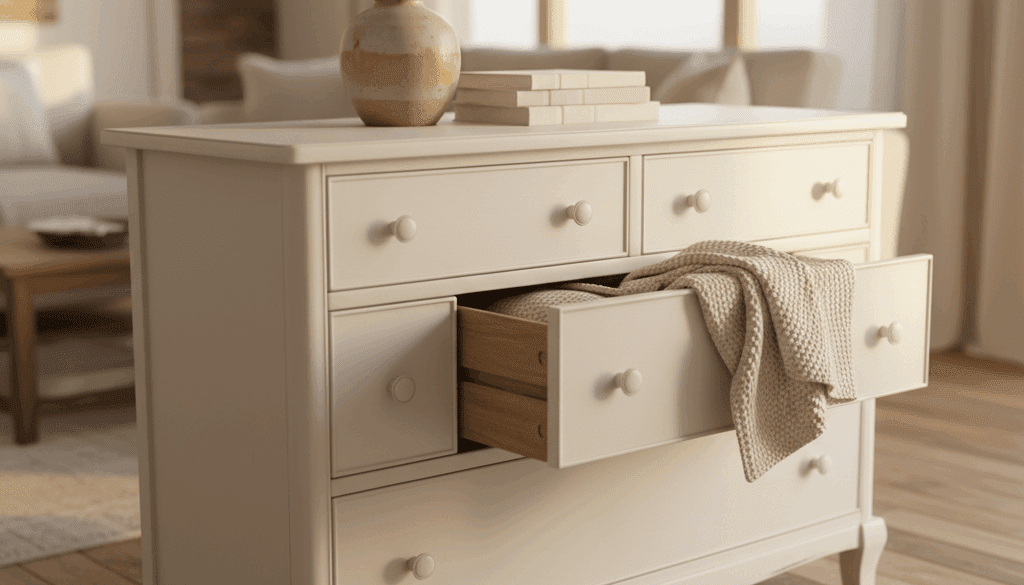
There’s a certain magic that happens when you stumble upon a forgotten piece of furniture. You see it tucked away in the corner of a dusty flea market—a solid wood dresser with good bones but a dated, orange-ish finish. Most people walk right past it, but you see the potential. You see the cozy, character-filled piece it could become, a cornerstone of a warm, inviting home. That’s the heart of the farmhouse chic movement: transforming the old, the overlooked, and the unloved into something truly beautiful.
I remember my first major upcycling project vividly. It was a hulking, dark-stained armoire I bought for $50. I was convinced I could slap on some white paint and call it a day. The result? A streaky, peeling mess that took me twice as long to fix as it would have to do it right the first time. I learned the hard way that a stunning transformation isn’t about magic; it’s about method. I didn’t understand the non-negotiable power of preparation, the subtle art of distressing, or the crucial final step of sealing your hard work.
That early failure taught me everything. It forced me to learn the proper techniques that professionals use to achieve that flawless, time-worn farmhouse aesthetic. And that’s exactly what I’m going to share with you today. This isn’t just another ‘paint it white’ tutorial. We’re going deep into the process, from hunting for the perfect piece to mastering the finishing touches that scream ‘authentic’ rather than ‘amateur.’ Forget the frustration and the peeling paint. By the end of this guide, you’ll have the confidence and the know-how to turn any flea market find into a farmhouse masterpiece you’ll be proud of for years to come.
Essential Materials & Tools for Your Farmhouse Makeover
This post contains affiliate links. If you use these links to buy something, we may earn a commission. Thanks.
- Krud Kutter or TSP Alternative Cleaner – Find on Amazon
- Sanding Sponges (Medium & Fine Grit) – Find on Amazon
- Zinsser B-I-N Shellac-Based Primer – Find on Amazon
- Renaissance Chalk Finish Paint (Antique White) – Find on Amazon
- High-Quality Paint Brush Set – Find on Amazon
- Minwax Paste Finishing Wax (Natural) – Find on Amazon
- Lint-Free Shop Towels or Waxing Cloths – Find on Amazon
- Modern Farmhouse Drawer Pulls (Oil-Rubbed Bronze) – Find on Amazon
- Wood Filler – Find on Amazon
- Tack Cloth – Find on Amazon
Why Farmhouse Chic is the Perfect Match for Upcycled Furniture
The modern farmhouse aesthetic is built on a foundation of comfort, simplicity, and history. It’s a style that celebrates imperfection and tells a story. Think of Joanna Gaines’s signature look: it’s not about brand-new, mass-produced items. It’s about pieces with soul, character, and a sense of belonging. This is precisely why upcycling is the soulmate of farmhouse design. You’re not just painting an old dresser; you’re preserving its history while giving it a new chapter.
Unlike sleek, minimalist styles where any flaw is a glaring error, farmhouse chic embraces the dings, dents, and signs of a life well-lived. That small gouge on the leg of a table isn’t a mistake to be hidden; it’s part of its charm. The goal is to create a piece that looks like it has been a cherished part of a family for generations, even if you just found it on the curb last week. Upcycling allows you to control that narrative. You can enhance the existing character with distressing techniques, or you can give a bland, featureless piece the texture and personality it never had.
Furthermore, the core color palette and finishes of farmhouse design—muted whites, grays, and blues with matte or waxed finishes—are incredibly forgiving and easy to achieve for a DIYer. Chalk paint, the unofficial king of upcycling, was practically made for this style. It requires minimal prep, adheres to almost any surface, and provides that velvety, low-sheen finish that is quintessentially farmhouse. By choosing to upcycle, you are not only saving money and reducing waste, but you are also engaging in the very ethos of the farmhouse style: creating a warm, personal, and sustainable home with your own two hands.
The Hunt: Where to Find Your Diamond in the Rough
The search for the perfect piece is half the fun. But to avoid bringing home a project that’s more trouble than it’s worth, you need to know what to look for and where to look. Think of yourself as a furniture detective, searching for clues of quality and potential.
Top Hunting Grounds:
- Flea Markets & Swap Meets: The classic choice. Go early for the best selection, and don’t be afraid to haggle. Look past the dust and grime.
- Thrift Stores (Goodwill, Salvation Army, Local Shops): Inventory changes daily, so frequent visits pay off. Look for special discount days.
- Facebook Marketplace & Craigslist: A treasure trove of local finds. Use specific keywords like ‘solid wood dresser,’ ‘vintage table,’ or ‘old furniture.’ Always inspect in person before paying.
- Yard Sales & Estate Sales: Estate sales, in particular, can be goldmines for high-quality, older furniture that has been well-cared for.
- Curbside (‘Stooping’): The price is right! Keep your eyes peeled on trash day in different neighborhoods. You’d be amazed at what people throw away.
What to Look For (The Good Stuff):
- Solid Wood Construction: The holy grail. It’s sturdy, sandable, and will last forever. Look for signs like dovetail joints in the drawers (interlocking, wedge-shaped pins) instead of staples.
- Good ‘Bones’: Ignore the ugly finish or dated hardware. Does it have a classic shape? Are the proportions pleasing? Is it functional for your needs?
- A Manageable Amount of Damage: Surface scratches, a peeling veneer top, or a few dings are all easily fixable. You want a project, not a complete reconstruction.
What to Avoid (The Red Flags):
- Signs of Pests: Look for tiny holes (woodworm), sawdust piles, or live bugs. Leave it where it is.
- Strong, Musty Odors: A deep-set mildew smell can be almost impossible to remove completely.
- Major Structural Damage: Wobbly legs that can’t be tightened, split wood frames, or severely warped tops are often more trouble than they’re worth for a beginner.
- Sticking Drawers or Doors: This could be a simple fix or a sign of a warped frame. Check to see if they slide smoothly.

photo
Step-by-Step Guide: The Ultimate Farmhouse Transformation
This is where the real transformation begins. We’ll take your flea market find from grimy to gorgeous. My mantra is ‘Patience in Prep, Perfection in Finish.’ Rushing the early steps is the number one mistake I see people make. Don’t be that person. Follow these steps, and you’ll get a professional-quality result.

infographic
Step 1: Prep is Everything (Cleaning and Sanding)
First, remove all hardware. Then, give your piece a thorough cleaning. Years of furniture polish, grime, and oils can build up and will prevent your paint from adhering properly. Use a solution of Krud Kutter or a TSP alternative and a scrub sponge. Wear gloves and wipe the piece down, getting into all the corners. Rinse with a clean, damp cloth and let it dry completely. Next, inspect for any damage. Fill deep scratches or old hardware holes with wood filler, slightly overfilling it. Once dry, sand the filler smooth so it’s flush with the surface. Now for the most important prep step: scuff sanding. You are NOT trying to strip the old finish. You are just trying to rough up the surface to give the primer and paint something to grip onto. A medium-grit (120-150) sanding sponge is perfect for this. Lightly go over the entire piece until the sheen is gone. Finally, wipe away all the sanding dust with a tack cloth.

photo
Step 2: Priming for Perfection
Do you always need to prime? Not always, but it’s cheap insurance against a failed paint job. I *highly* recommend priming if you’re painting a light color over dark wood, if the wood is known for bleed-through (like mahogany or knotty pine), or if the surface is slick and glossy. A shellac-based primer like Zinsser B-I-N is my go-to for blocking stains and odors. Apply one or two thin, even coats with a brush or roller, letting it dry completely between coats as per the can’s instructions.
Step 3: The Art of the Farmhouse Finish (Painting & Distressing)
Now for the fun part. Chalk-style paint is ideal for the farmhouse look due to its matte finish and ease of use. Using a quality brush, apply your first coat of paint. Don’t overload your brush; long, even strokes are key. Let it dry, then apply a second coat for full coverage. Once the final coat is dry to the touch (usually a few hours), you can distress it. The key to authentic distressing is to think about where a piece would naturally show wear over time: along edges, corners, and around knobs or pulls. Use a fine-grit (220) sanding sponge and gently rub these areas until a little of the wood or primer peeks through. Start light—you can always take more off, but you can’t easily put it back on.

photo
Step 4: Sealing the Deal (Top Coats and Protection)
Your beautiful paint job needs protection. For a classic, soft farmhouse look, a clear paste wax is perfect. Using a lint-free cloth or a wax brush, apply a thin layer of wax in a circular motion, working in small sections. Let it sit for about 10-15 minutes, then buff it with a clean cloth to a soft sheen. For high-traffic surfaces like tabletops or the tops of dressers, a water-based polyurethane in a matte or satin finish will offer more durability against water rings and scratches.

photo
Step 5: Hardware Heroics (Updating Knobs and Pulls)
This is the jewelry for your furniture. Swapping out dated, shiny brass hardware for something more fitting can instantly elevate the piece. For a modern farmhouse look, consider oil-rubbed bronze cup pulls, simple black iron knobs, or even antique-style glass knobs. This final touch ties the entire makeover together.

photo
Advanced Techniques for an Authentic Farmhouse Look
Once you’ve mastered the basic paint-and-distress method, you can start experimenting with more advanced techniques to add even more character and depth to your pieces. These methods can take your upcycling projects from simply ‘painted’ to ‘curated and custom.’
- Dry Brushing: This technique is perfect for adding subtle texture and highlighting details. After your base coat is dry, dip just the very tip of a dry paintbrush into a slightly lighter or darker color (a light gray over a white base works beautifully). Blot most of the paint off onto a paper towel until the brush is almost dry. Then, lightly drag the brush over the surface, particularly over raised details like carvings or trim. The faint streaks of color will add an immediate sense of age and dimension.
- Color Layering: For a more complex, chippy look, paint your piece with two different colors. Start with a darker base coat (like a dark gray or brown) in the areas you plan to distress. Once dry, rub a wax candle or apply a wax puck over the edges and corners where you want the base color to show through. Then, paint your main top coat color over the entire piece. Once the top coat is dry, use a fine-grit sandpaper over the waxed areas. The top layer of paint will flake off easily, revealing the darker color underneath for a naturally worn effect.
- Antiquing with Dark Wax: While clear wax protects, dark wax ages. After applying a coat of clear wax and buffing it, use a separate cloth or brush to apply a dark or antiquing wax. Work it into the crevices, corners, and details of the piece. Before it dries, immediately wipe back the excess with a clean, lint-free cloth, leaving the dark wax settled in the recesses. This creates a gorgeous, aged patina that looks like it has been collecting dust and polish for a century.
These techniques require a bit more practice, so I recommend trying them out on a scrap piece of wood first. But once you’re comfortable, they are the secret to achieving that truly authentic, high-end farmhouse look that sets your work apart.
Common Upcycling Mistakes and How to Avoid Them
We’ve all been there. You’re so excited to start painting that you cut corners, only to end up with a disappointing result. Learning from my own blunders, here are the most common mistakes and how you can sidestep them for a flawless finish every time.
- Skipping the Prep Work: This is the cardinal sin of furniture painting. Failing to clean and scuff sand is the #1 reason for peeling paint and poor adhesion. The Fix: Always, always, always clean your piece thoroughly with a degreaser and then give it a light sanding. It’s 10% of the work that accounts for 90% of the success.
- Over-Distressing: It’s easy to get carried away with the sander and end up with a piece that looks more mauled than charmingly worn. Distressing should be subtle and strategic. The Fix: Focus only on areas that would naturally see wear: edges, corners, and around hardware. Start with a fine-grit sandpaper and step back frequently to assess your work. Less is almost always more.
- Ignoring Bleed-Through: You apply a beautiful coat of white paint, and within hours, ugly yellow or pink stains start seeping through from the old wood stain. This is tannin bleed-through. The Fix: If you’re working with mahogany, cherry, or knotty pine, or if you see any existing stains, use a stain-blocking, shellac-based primer. It’s the only guaranteed way to stop bleed-through in its tracks.
- Forgetting the Top Coat: You finish painting, and the piece looks amazing, so you call it done. A month later, it’s covered in scuffs, fingerprints, and watermarks. The Fix: Every painted piece needs a protective top coat. Choose one that fits your needs—paste wax for low-traffic pieces for a soft finish, or water-based polyurethane for high-traffic surfaces like tabletops for maximum durability.

photo
Frequently Asked Questions
What is the best and most forgiving paint for a beginner to use for a farmhouse look?
Hands down, a chalk-style paint is the best for beginners. It has excellent adhesion, requires minimal prep (though you should still clean and scuff sand!), is self-leveling to minimize brush strokes, and dries to a beautiful matte finish that is perfect for the farmhouse aesthetic. It’s also very easy to distress.
Do I really have to sand furniture before painting?
While some chalk paints advertise ‘no sanding,’ a light ‘scuff sanding’ is always recommended. You’re not trying to strip the old finish, just remove the gloss and give the surface some ‘tooth’ for the paint to grip. It takes 15 minutes and dramatically improves the durability of your finish. The only time you might skip it is on an already rough, matte surface.
How do I make my distressing look natural and not like I just attacked it with sandpaper?
The key is subtlety and placement. Think about the story of the piece. Where would it have been bumped, rubbed, and handled over 50 years? Focus on high points: the edges of the top, the corners of drawers, the details on the legs, and the area around the knobs. Use a fine-grit sandpaper (220-grit) and apply gentle pressure. It’s better to build up the distressed look slowly than to take off too much at once.
Should I use wax or polyurethane as a top coat?
It depends on the piece’s use. For decorative or low-traffic items like a console table or nightstand, finishing wax provides a beautiful, soft, hand-buffed sheen that is very authentic to the farmhouse style. For high-traffic surfaces like a kitchen table, coffee table, or the top of a dresser, a water-based polyurethane in a matte or satin finish will offer much better protection against water, heat, and scratches.
People Also Ask
How do you modernize old wooden furniture?
Modernize old furniture by painting it in a contemporary color palette (like whites, grays, navy, or black), updating the hardware to a modern style (like sleek brass or black pulls), and sometimes adding new functionality, such as replacing legs with a more modern style. For a farmhouse look, the modernization comes from a fresh, light paint color paired with rustic or industrial hardware.
Can you paint over varnished wood without sanding?
Yes, you can, but you must use the right products. To paint over varnish without sanding, you first need to clean the piece thoroughly with a degreaser. Then, you must use a high-adhesion, bonding primer designed to stick to glossy surfaces. A shellac-based or oil-based primer is often best. After priming, you can proceed with your chosen paint.
What colors are used in modern farmhouse style?
The modern farmhouse palette is typically based on warm or cool neutrals. Popular choices include various shades of white (creamy, bright, or off-white), light grays, greige (a mix of gray and beige), and muted blues and greens. Black is often used as a sharp, modern accent color for hardware, light fixtures, or even a statement piece of furniture.
How do you make new paint look old and distressed?
To make new paint look old, use distressing techniques. After painting, gently sand the edges and corners where wear would naturally occur to reveal the wood underneath. You can also apply a dark antiquing wax over the paint, which settles into crevices and gives the piece an aged patina. Other methods include dry brushing a lighter color to add texture or using a crackle medium for an authentically aged finish.
Conclusion
Transforming a piece of forgotten furniture is one of the most rewarding DIY projects you can tackle. It’s a chance to save a piece from the landfill, unleash your creativity, and create a custom item for your home that is steeped in character. With the right preparation, a little patience, and these proven techniques, you have everything you need to turn that dusty flea market find into a stunning farmhouse chic centerpiece. Don’t be afraid to start small and build your confidence. The perfect project is out there waiting for you. What flea market find are you dreaming of transforming next? Share your ideas in the comments below!