The Essential Guide to Gardening: Start Your Garden from Scratch and Watch It Flourish
- Why Start a Garden? The Dirt on the Benefits
- Location, Location, Location: Choosing the Perfect Spot
- The Foundation of Success: Preparing Your Soil
- What to Grow? Selecting the Right Plants for You
- Planting Day! Getting Your Greens in the Ground
- Nurture and Grow: Tending Your New Garden
- Essential Gardening Tools & Supplies
- Frequently Asked Questions
- People Also Ask
I’ll never forget my first garden. I had grand visions of a sprawling Eden, overflowing with juicy tomatoes and vibrant zinnias. In reality, I chose a shady spot, planted everything way too close together, and watered it with either a firehose-like blast or complete neglect. The results were… humbling. A few leggy tomato plants and a whole lot of weeds. But that ‘failure’ was the best teacher I ever had. It taught me that gardening isn’t about perfection; it’s about partnership with nature, a process of learning, and an incredible source of joy and accomplishment.
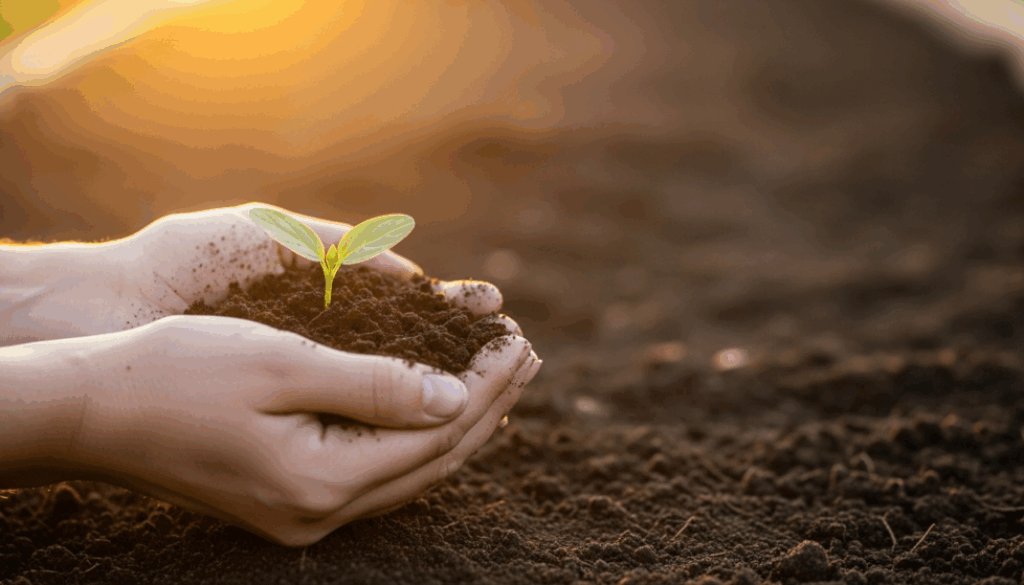
There’s something deeply satisfying about sinking your hands into the earth and coaxing life from a tiny seed. It’s a primal connection that feeds not just our bodies, but our souls. In a world that’s increasingly digital and fast-paced, gardening forces us to slow down, observe the subtle changes of the seasons, and appreciate the simple magic of growth. Whether you have a sprawling backyard or a small sunny patio, you can create a thriving garden that will reward you with beauty, fresh food, and a profound sense of peace.
This guide is the roadmap I wish I had when I started. We’re going to walk through every single step of starting a garden from scratch, from choosing the perfect location to nurturing your plants through their first season. We’ll demystify soil preparation, help you select the right plants for your space, and share the essential techniques for watering, weeding, and pest control. Forget the overwhelm and the intimidation. By the end of this guide, you’ll have the confidence and knowledge to turn that patch of dirt into a flourishing oasis. Let’s get growing!
Essential Gardening Tools & Supplies
This post contains affiliate links. If you use these links to buy something, we may earn a commission. Thanks.
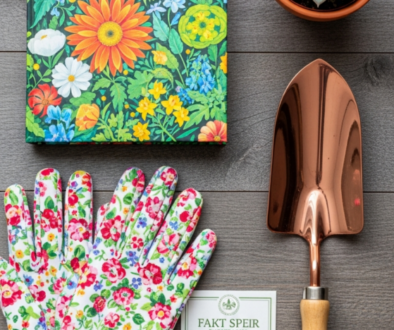
- Durable Gardening Gloves – Find on Amazon
- Hand Trowel – Find on Amazon
- Spade or Shovel – Find on Amazon
- Garden Fork (Digging Fork) – Find on Amazon
- Garden Hoe – Find on Amazon
- Watering Can – Find on Amazon
- Expandable Garden Hose with Nozzle – Find on Amazon
- Wheelbarrow – Find on Amazon
- Organic Garden Soil – Find on Amazon
- Organic Compost – Find on Amazon
- Heirloom Vegetable Seeds Variety Pack – Find on Amazon
- Waterproof Plant Markers – Find on Amazon
- Pruning Shears (Hand Pruners) – Find on Amazon
Money-Saving Tip!
Before you buy, sign up for Rakuten (formerly Ebates) to get cash back on your purchases from many online stores. It’s a free and easy way to save money on your projects! Sign up here!
Another Way to Earn!
Turn basically anything you do into gift cards with Fetch. Earn at stores, restaurants and shopping online. Even playing free games. Download Fetch with my link or use code AVQ9B to get a bonus when you submit your first receipt. Download Fetch here!
Location, Location, Location: Choosing the Perfect Spot
Before you buy a single seed packet, the most critical decision you’ll make is where to place your garden. The right spot can mean the difference between a bountiful harvest and a disappointing struggle. Here’s how to play real estate agent in your own backyard.Follow the Sun
Nearly all vegetables and most flowering plants are sun-worshippers. They need at least 6-8 hours of direct sunlight per day to photosynthesize effectively, produce fruit, and flourish. Less than that, and you’ll likely end up with spindly plants and a meager harvest. To find your sunniest spots, become a sun-mapper for a day. Observe your yard at different times: morning (9 am), noon, and late afternoon (4 pm). Note which areas receive direct, unfiltered sunlight and for how long. Remember that the sun’s path changes with the seasons, so what’s sunny in April might be shadier in July when leafy trees are in full canopy. An ideal spot will have full morning sun and perhaps a little protection from the scorching late afternoon sun, especially in hotter climates.

Water Accessibility
Your new garden will be thirsty, especially during its first few weeks and on hot summer days. Lugging heavy watering cans back and forth across a large yard gets old fast. Trust me. Position your garden within easy reach of a water spigot. Consider the length of your garden hose and plan accordingly. This simple consideration will save you a tremendous amount of time and effort, making the daily chore of watering a pleasure rather than a pain.
Other Key Considerations
- Good Drainage: Avoid low-lying areas where water tends to puddle after a heavy rain. Plant roots need oxygen as much as they need water, and they can ‘drown’ in constantly soggy soil. To test drainage, dig a hole about a foot deep and fill it with water. If it takes more than a few hours to drain, you have a drainage issue. Consider a raised bed in this case.
- Soil Quality: While we’ll be amending the soil, it’s good to start with a decent base. Avoid areas with heavy clay, lots of rocks, or soil that is heavily compacted from foot traffic.
- Protection from Wind and Foes: A spot that’s somewhat sheltered from strong winds can prevent damage to tall plants like corn or sunflowers. Also, consider proximity to wildlife. If you have a known deer or rabbit population, you may need to plan for fencing from the get-go.
If a large in-ground plot seems daunting, don’t forget about alternatives! If you’re short on space or sunny spots, a container garden on a patio or balcony can be incredibly productive. For a low-maintenance and beautiful option, you could even explore How to Start a Succulent Garden: Your Ultimate Beginner’s Guide.
The Foundation of Success: Preparing Your Soil
Great gardeners don’t just grow plants; they build soil. Healthy, living soil is the single most important ingredient for a successful garden. It provides your plants with the nutrients, water, and root support they need to thrive. Preparing your new garden bed is a bit of upfront work, but it pays dividends all season long.Step 1: Define Your Space & Clear the Area
Once you’ve chosen your spot, mark the boundaries of your new garden bed. You can use stakes and string, a garden hose, or even just scratch a line in the ground with a shovel. For a first-time garden, it’s wise to start small. A 4×8 foot bed is a manageable size that allows you to reach the center from either side without stepping on the soil.
Now, you need to remove the existing grass and weeds. You have a few options:
- The Quick Method (Digging): Use a spade to slice under the sod and remove it in sections. You can shake the soil from the roots and add the sod to your compost pile. This is labor-intensive but fast.
- The Easy Method (Sheet Mulching/Lasagna Gardening): This is my favorite no-dig method. Mow the grass as short as possible. Then, lay down a layer of cardboard or several layers of newspaper right on top of it. Overlap the edges so no light can get through. Wet it down thoroughly. This layer will smother the grass and weeds, which will then decompose and feed your soil. On top of the cardboard, you’ll layer organic materials—like a lasagna—and top it all off with a thick layer of garden soil and compost. You can plant directly into this!

Step 2: Amend, Amend, Amend
No matter what type of soil you have—be it heavy clay, fast-draining sand, or something in between—the solution is almost always the same: add organic matter. The goal is to create a soil that is dark, crumbly, and full of life.
Use a digging fork to loosen the top 8-12 inches of your native soil. This helps with aeration and drainage. Then, spread a generous 3-4 inch layer of high-quality compost over the entire bed. You can also add other amendments like shredded leaves, aged manure, or grass clippings. Use your digging fork or a tiller to gently mix this organic matter into the top several inches of your soil. Rake the surface smooth, and your bed is ready for planting!
Tips & Tricks for Soil Prep
- Get a Soil Test: For the truly dedicated, a simple soil test kit can tell you your soil’s pH and any nutrient deficiencies. Most garden centers sell them.
- Avoid Compaction: Once your bed is prepared, try not to walk on it. Compacting the soil squeezes out air pockets that roots need.
- Timing is Everything: Work your soil when it’s moist, but not soaking wet. Squeeze a handful; if it forms a tight, muddy ball, it’s too wet. If it’s dry and dusty, give it a light watering first. The ideal consistency is like a crumbly brownie.
What to Grow? Selecting the Right Plants for You
This is the fun part! The world of plants is vast and exciting, but it can also be overwhelming for a beginner. The key to success is choosing plants that are well-suited to your specific conditions and that you’ll actually enjoy growing and eating.Know Your Zone
Before you fall in love with a picture on a seed packet, you need to know your USDA Plant Hardiness Zone. This is a map that divides the country into zones based on average minimum winter temperatures. Knowing your zone helps you choose plants that will survive and thrive in your climate. You can easily find your zone online by entering your zip code. Seed packets and plant tags will almost always list the recommended zones.
Seeds vs. Seedlings (Starts)
You can start your garden with either seeds or small plants (called seedlings or starts) that you buy from a nursery.
- Seeds: Starting from seed is incredibly rewarding and much cheaper. It also gives you access to a much wider variety of plants. Some plants, like carrots, radishes, and beans, do best when sown directly into the garden.
- Seedlings: Buying starts is a great shortcut. It’s perfect for plants that have a long growing season and need to be started indoors early, like tomatoes, peppers, and eggplant. For a beginner, buying healthy seedlings from a local nursery is a fantastic way to guarantee a head start.

Easy Plants for Beginners
If you’re just starting, set yourself up for success by choosing some easy-to-grow, productive plants.
- Vegetables: Zucchini/Summer Squash, Bush Beans, Peas, Radishes, Lettuce, Kale, Cherry Tomatoes.
- Herbs: Basil, Mint (grow in a pot!), Parsley, Chives, Rosemary.
- Flowers: Sunflowers, Zinnias, Marigolds, Cosmos, Nasturtiums.
The Power of Friendship: Companion Planting
Don’t just think about individual plants; think about creating a plant community. Some plants, when grown near each other, can actually help one another thrive by deterring pests, attracting beneficial insects, or improving the soil. This fascinating science is explained in our guide to Plant Friendships: The Ultimate Guide to Companion Planting. For example, planting marigolds around your tomatoes can help deter certain pests, and planting basil nearby is said to improve their flavor. It’s a wonderful way to create a more resilient and productive garden ecosystem.
Planting Day! Getting Your Greens in the Ground
With your bed prepared and your plants chosen, it’s time for the magic moment: planting day! This is when your garden truly begins to come to life. The best time to plant is on a calm, overcast day or in the late afternoon to prevent your young plants from getting stressed by the hot sun.Sowing Seeds Directly
For plants like beans, carrots, and radishes, you’ll sow them directly into your prepared garden bed.
- Read the Packet: Your seed packet is your best friend. It will tell you the ideal planting depth, spacing between seeds, and spacing between rows.
- Create Furrows: Use your hand, a trowel, or the handle of a hoe to create shallow trenches (furrows) at the depth recommended on the packet.
- Sow the Seeds: Sprinkle the seeds into the furrow, trying your best to space them correctly. Don’t worry about perfection; you can always thin them out later. For tiny seeds like carrots, it can be helpful to mix them with a bit of sand to get more even distribution.
- Cover and Water: Gently cover the seeds with soil, and pat it down lightly to ensure good contact. Water the area gently but thoroughly with a fine spray from a watering can or hose nozzle. You want to moisten the soil without washing your seeds away.
- Label Everything: Use your plant markers to label each row. You’d be surprised how quickly you can forget what you planted where!

Transplanting Seedlings
For tomatoes, peppers, and other plants you’ve bought as starts, the process is a bit different.
- Dig the Hole: Dig a hole that is slightly wider and just as deep as the container the seedling is in.
- Gently Remove the Plant: Tip the container on its side and gently squeeze it to loosen the plant. Support the base of the stem and slide the plant out. Never pull it out by the stem. If the roots are tightly wound (root-bound), gently tease them apart with your fingers.
- Place and Backfill: Set the plant in the hole so that the top of its root ball is level with the surrounding soil. The one exception is tomatoes, which can be planted deeper; they will grow new roots along the buried part of the stem. Fill the hole back in with soil, gently firming it around the base of the plant.
- Water In: Water the newly transplanted seedling thoroughly. This helps settle the soil and reduce transplant shock.
- Spacing: Pay close attention to the final spacing recommendations on the plant tag. It might look sparse now, but they will grow and need room for air circulation to prevent disease.
Nurture and Grow: Tending Your New Garden
Your plants are in the ground—congratulations! Now your role shifts from builder to caretaker. A little regular attention is all it takes to keep your garden healthy and productive.Watering Wisely
Proper watering is the most important task in the garden. The goal is to keep the soil consistently moist, but not waterlogged.
- How to Water: Water deeply and less frequently. A long, slow soak encourages roots to grow deep into the soil, making them more resilient to drought. A light daily sprinkle only moistens the surface and encourages shallow roots. The best time to water is in the morning, which allows the leaves to dry during the day, helping to prevent fungal diseases.
- How Much to Water: The finger test is your best guide. Stick your finger about two inches into the soil near your plants. If it feels dry at that depth, it’s time to water. In general, most gardens need about one inch of water per week, either from rain or your hose.
- Automate It: For a truly efficient and water-wise garden, consider setting up a simple watering system. Discover why From Frustration to Flow: Why Drip Irrigation is the Perfect DIY Project for Your Garden. A drip system delivers water directly to the plant’s roots, reducing evaporation and saving you time.
The Magic of Mulch
If you do only one thing for your garden after planting, it should be adding a layer of mulch. Mulch is simply a layer of material spread over the surface of the soil. A 2-3 inch layer of straw, shredded leaves, or wood chips will:
- Conserve Moisture: It acts like a blanket, reducing water evaporation from the soil.
- Suppress Weeds: It blocks sunlight, preventing many weed seeds from germinating.
- Regulate Soil Temperature: It keeps the soil cooler in the summer and warmer in the winter.
- Improve Soil Health: As organic mulches break down, they add valuable nutrients to the soil.
Weeding and Pest Patrol
- Weeding: Check your garden for weeds every few days. It’s much easier to pull a few small weeds every other day than to face a jungle after a week of neglect. Weeds compete with your plants for water, nutrients, and sunlight, so it’s important to keep them in check.
- Pest Control: A healthy garden is your best defense against pests. Regularly inspect your plants, looking on the undersides of leaves, for any signs of trouble. Many common pests, like aphids, can be dislodged with a strong spray of water. Hand-picking larger pests like tomato hornworms is also very effective. Encourage beneficial insects like ladybugs and lacewings by planting flowers like dill and cosmos.
Finally, the best part: harvesting! Once your vegetables start to ripen, pick them regularly. This often encourages the plant to produce even more. Then you can explore all the delicious possibilities in our guide, From Garden to Table: Fresh Recipes Using Your Homegrown Ingredients!
Frequently Asked Questions
How much sun does a vegetable garden really need?
For most fruiting vegetables like tomatoes, peppers, and squash, 6 to 8 hours of direct, unfiltered sunlight is the minimum for a productive harvest. Leafy greens like lettuce and spinach can often get by with a little less, around 4 to 5 hours, and may even appreciate some afternoon shade in hot climates.
How often should I water my new garden?
There’s no single answer, as it depends on your soil, climate, and rainfall. Instead of watering on a rigid schedule, use the ‘finger test.’ Stick your index finger two inches into the soil. If it’s dry, it’s time to water. Water deeply to encourage strong roots, rather than giving light, frequent sprinklings.
Can I start a garden if I only have a small patio or balcony?
Absolutely! Container gardening is a fantastic way to grow a wide variety of vegetables, herbs, and flowers. Just make sure your containers have drainage holes and use a quality potting mix. Plants in containers tend to dry out faster, so you’ll need to monitor their water needs closely.
What are the easiest vegetables for a total beginner to grow?
Great question! To build confidence, start with plants that are known to be reliable and productive. Some of the best for beginners include bush beans, radishes, zucchini (summer squash), lettuce, kale, and cherry tomatoes. They tend to grow quickly and have fewer pest and disease problems.
People Also Ask
What month should you start a garden?
This depends entirely on your climate and what you plan to grow. Generally, you start preparing your garden in early spring, after the last frost date for your region. Cool-season crops like lettuce and peas can be planted then, while warm-season crops like tomatoes and peppers must wait until all danger of frost has passed and the soil has warmed up.
What do I need to start a garden from scratch?
To start a basic garden, you need a sunny spot, a water source, and good soil. Essential tools include a spade or shovel, a digging fork, a trowel, and gardening gloves. You will also need seeds or seedlings and organic amendments like compost to enrich your soil.
How do you prepare ground for a garden for the first time?
First, remove all existing grass and weeds from the area using a shovel or by smothering them with cardboard (sheet mulching). Next, use a digging fork to loosen the top 8-12 inches of soil. Finally, spread a 3-4 inch layer of compost and other organic matter on top and mix it into the loosened soil.
What is the very first thing to do when starting a garden?
The very first, most crucial step is observation. Before you dig or buy anything, spend time observing your yard to find the spot that gets at least 6-8 hours of direct sunlight per day. The success of your entire garden hinges on choosing the right location.
Conclusion
Starting a garden from scratch is one of the most rewarding DIY projects you can undertake. It’s a journey of patience, observation, and delicious rewards. By choosing the right spot, preparing your soil with care, selecting appropriate plants, and tending to them with consistent attention, you can transform a patch of lawn into a source of fresh food, beautiful flowers, and immense satisfaction. Don’t be afraid to start small, and remember that every ‘mistake’ is a learning opportunity. The greatest joy of gardening is in the process itself—the connection to the earth, the rhythm of the seasons, and the simple wonder of watching life unfold. What are you most excited to plant in your very first garden? Share your dreams in the comments below!