Dahlias: A Guide to Growing and Caring for These Vibrant Blooms
Table of Contents
- Why Dahlias Deserve a Spot in Your Garden
- Essential Tools & Supplies for Dahlia Success
- Choosing Your Champions: Selecting the Right Dahlia Varieties
- Planting Perfection: A Step-by-Step Guide to Getting Your Tubers in the Ground
- The Growing Season: A Regimen of Water, Food, and Support
- Pest Patrol and Disease Defense: Keeping Your Dahlias Healthy
- The Grand Finale: Harvesting Flowers and Overwintering Tubers
- Frequently Asked Questions About Dahlia Care
- People Also Ask
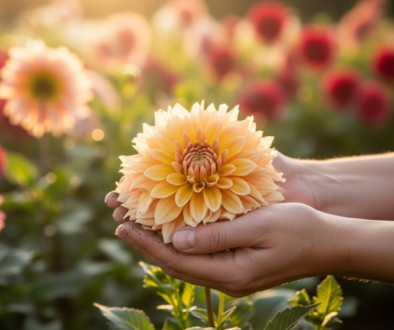
I’ll never forget the first time I saw a dinner-plate dahlia in person. It was at a local farmer’s market, a bloom the size of my head in a fiery sunset gradient of orange, pink, and yellow. It looked impossibly perfect, like something crafted from silk rather than grown from the dirt. I was instantly intimidated. Surely, a flower that spectacular required a master gardener with a secret language of soil incantations. For years, I admired them from afar, convinced they were beyond my skill level.
Then, one spring, I took the plunge. I bought a single, sad-looking tuber that resembled a shriveled sweet potato. I followed the instructions with nervous precision, and that summer, I was rewarded with the most magnificent, show-stopping flowers I had ever grown. The secret, I learned, wasn’t magic—it was just knowledge. Dahlias aren’t difficult, but they are specific. They have a routine they like, and once you learn their rhythm, you unlock a world of breathtaking beauty that lasts from mid-summer until the first frost.
This guide is the culmination of everything I’ve learned through trial, error, and a lot of dirt under my fingernails. It’s the comprehensive manual I wish I’d had when I started. We’ll walk through every single step, from choosing the perfect variety for your garden to planting the tubers correctly, nurturing them through the growing season, and even saving them for the next year. Forget the intimidation; it’s time to embrace the dahlia. Get ready to transform your garden into a vibrant tapestry of color and form.
Essential Tools & Supplies for Dahlia Success
This post contains affiliate links. If you use these links to buy something, we may earn a commission. Thanks.
- Dahlia Tubers – Find on Amazon
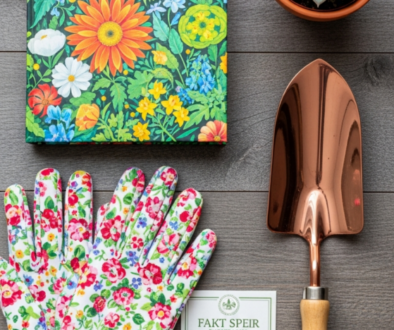
- Gardening Shovel or Trowel – Find on Amazon
- High-Quality Garden Compost – Find on Amazon
- Bone Meal – Find on Amazon
- Sturdy Garden Stakes (5-6 ft) – Find on Amazon
- Soft Garden Twine or Plant Ties – Find on Amazon
- Sharp Pruning Shears – Find on Amazon
- Low-Nitrogen Fertilizer (e.g., 5-10-10) – Find on Amazon
- Watering Can or Soaker Hose – Find on Amazon
- Slug and Snail Bait (Iron Phosphate) – Find on Amazon
- Peat Moss or Vermiculite (for storage) – Find on Amazon
- Cardboard Boxes or Crates (for storage) – Find on Amazon
Money-Saving Tip!
Before you buy, sign up for Rakuten (formerly Ebates) to get cash back on your purchases from many online stores. It’s a free and easy way to save money on your projects! Sign up here!
Another Way to Earn!
Turn basically anything you do into gift cards with Fetch. Earn at stores, restaurants and shopping online. Even playing free games. Download Fetch with my link or use code AVQ9B to get a bonus when you submit your first receipt. Download Fetch here!
Choosing Your Champions: Selecting the Right Dahlia Varieties
The world of dahlias is vast and varied, with thousands of cultivars classified into different groups based on their flower form. Stepping into this world can feel like becoming a kid in a candy store. From the massive ‘Dinnerplate’ varieties that can exceed 10 inches in diameter to the perfectly spherical ‘Pompon’ types, there’s a dahlia for every taste and garden style. Understanding these classifications is the first step to choosing the perfect bloom for your backyard masterpiece.Key dahlia types include:
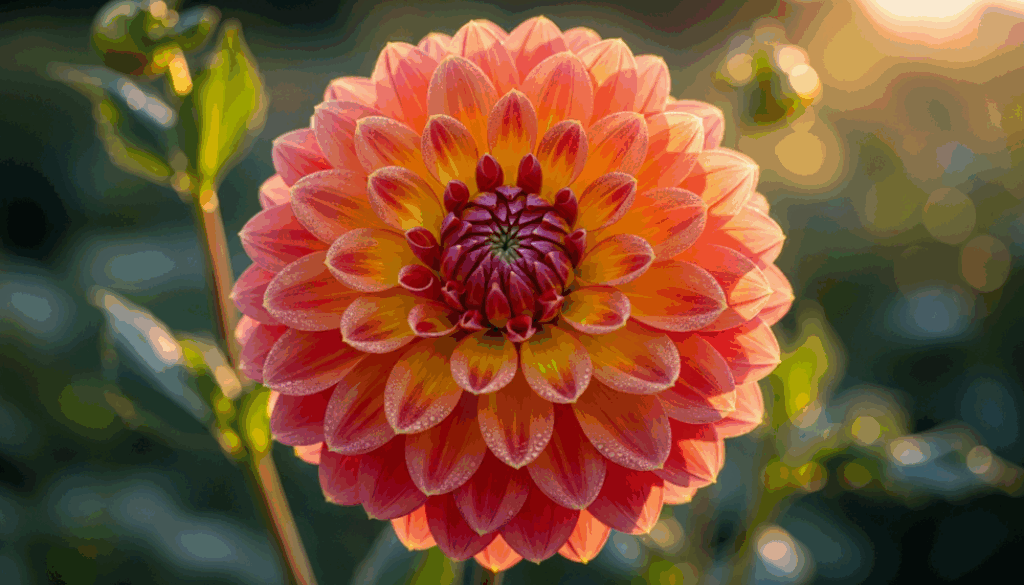
- Decorative: Fully double blooms with broad, flat petals. This is a huge and popular group, including the famous ‘Café au Lait’.
- Cactus & Semi-Cactus: Fully double blooms with pointed petals that are rolled for at least half their length, creating a spiky, starburst effect.
- Ball & Pompon: Adorable, globe-shaped flowers. Ball dahlias are over 2 inches, while pompons are under 2 inches. Their geometric perfection is truly stunning.
- Anemone: Features one or more rows of flat outer petals surrounding a dense central cluster of elongated tubular florets.
- Collarette: A single row of flat outer petals with a ‘collar’ of smaller petals around the central disc.
- Single: A simple, daisy-like form with a single row of petals around an open central disc, which is fantastic for pollinators.
When you purchase tubers, you’re buying a dormant plant. Look for tubers that are firm and plump, not mushy or dried out. A critical feature is the ‘eye’—a small nub on the crown (where the tuber connects to last year’s stem) from which the new plant will sprout. A tuber without a visible eye may not grow, so inspect them carefully. Don’t worry about the size of the tuber itself; a small, healthy tuber with a good eye is better than a giant one with no eye. For a deeper dive into the breathtaking options available, check out The Ultimate Guide to Dahlia Varieties: 25+ Stunning Types for Your Garden to find your perfect match.

Planting Perfection: A Step-by-Step Guide to Getting Your Tubers in the Ground
Planting is the most critical stage in a dahlia’s life. Getting it right sets the foundation for a season of vigorous growth and abundant blooms. Dahlias are sun-lovers, demanding at least 6-8 hours of direct sunlight per day. They also need well-draining soil; they despise ‘wet feet’ and their tubers will rot in soggy ground. If you have heavy clay soil, amend it generously with compost to improve its texture and drainage.Step-by-Step Planting Instructions:
- Timing is Everything: Wait until all danger of frost has passed and the soil has warmed to about 60°F (15°C). This is typically late spring, around the same time you’d plant tomatoes.
- Dig the Right Hole: Dig a hole about 6-8 inches deep and 1 foot wide. Mix a handful of bone meal and some compost into the soil you removed. Bone meal provides phosphorus, which promotes strong root and tuber development.
- Place the Tuber: Lay the tuber horizontally in the hole with the ‘eye’ pointing upwards. If you can’t find the eye, don’t panic—it will find its way up. If you’re planting a tall variety, now is the time to insert your stake about 2 inches from the tuber’s eye. Placing the stake now prevents you from accidentally piercing the tuber later.
- Backfill the Hole: Gently cover the tuber with the amended soil, filling the hole completely. Pat the soil down lightly.
- Hold the Water! This is the most counterintuitive step for most gardeners. Do NOT water your tuber after planting. The tuber contains all the moisture and energy it needs to sprout. Watering before you see green shoots can easily cause the tuber to rot. The only exception is if you live in an extremely hot, dry climate, in which case a very light initial watering is acceptable.
The Growing Season: A Regimen of Water, Food, and Support
Once your dahlia has sprouted and is a few inches tall, the regular care routine begins. Consistency is key to keeping your plants happy and productive throughout the summer.Watering
Dahlias are thirsty plants, especially once they are large and blooming. They prefer deep, infrequent watering over frequent shallow sprays. A good rule of thumb is to water them deeply 2-3 times a week during hot, dry weather. A soaker hose is an excellent tool as it delivers water directly to the roots and keeps the foliage dry, which helps prevent fungal diseases like powdery mildew.
Fertilizing
To fuel their spectacular bloom production, dahlias need to be fed. However, you must use the right kind of food. A fertilizer high in nitrogen will give you a big, green, leafy plant with very few flowers. You want to use a low-nitrogen fertilizer, something with a ratio like 5-10-10 or 10-20-20. Start fertilizing when the plants are about a foot tall and continue every 3-4 weeks until early fall. Stop fertilizing in late September to allow the tubers to prepare for dormancy.
Staking and Support
This step is non-negotiable for medium to large dahlia varieties. Their hollow stems can easily snap under the weight of their massive blooms, especially in wind or rain. As the plant grows, use soft garden twine to loosely tie the main stem to the stake you placed at planting time. Add new ties every 12-18 inches of growth.
Topping or ‘Pinching’ Your Dahlias
This sounds scary, but it’s the secret to getting a bushy plant with tons of flowers. When the plant is about 12-18 inches tall and has 3-4 sets of leaves, use your fingers or clean pruners to snip off the top 3-4 inches of the central stem, just above a set of leaves. This encourages the plant to send out multiple side branches, and each of those branches will produce blooms. You’ll get more, albeit slightly smaller, flowers and a much sturdier plant.

Pest Patrol and Disease Defense: Keeping Your Dahlias Healthy
While generally robust, dahlias can fall prey to a few common garden foes. Vigilance is your best defense. Check your plants regularly for any signs of trouble.Common Pests:
- Slugs and Snails: These are the number one enemy of young dahlia shoots. They can devour a new sprout overnight. Protect young plants with an iron phosphate-based bait like Sluggo, which is safe for pets and wildlife.
- Earwigs: These insects love to munch on dahlia petals and leaves. A common trick is to stuff a small pot with newspaper and place it upside down on a stake. Earwigs will hide there during the day, and you can dispose of them in the morning.
- Spider Mites: These tiny pests thrive in hot, dry conditions and will suck the life out of leaves, causing them to look stippled and yellow. A strong blast of water can dislodge them, and insecticidal soap is an effective treatment.
Common Diseases:
- Powdery Mildew: This fungal disease appears as a white, dusty coating on leaves, especially in humid weather with poor air circulation. Ensure your plants have good spacing for airflow. A spray made of one part milk to nine parts water can be surprisingly effective as a preventative measure.
An integrated pest management approach works best. Creating a healthy garden ecosystem can help keep pests in check naturally. Consider interplanting your dahlias with beneficial companions. Our guide on Plant Friendships: The Ultimate Guide to Companion Planting offers fantastic suggestions for creating a balanced and resilient garden.

The Grand Finale: Harvesting Flowers and Overwintering Tubers
The reward for all your hard work is a summer full of stunning blooms. To enjoy them indoors, you need to harvest them correctly.Harvesting for Bouquets
Cut your dahlia stems in the cool of the morning or evening. Choose flowers that are nearly or fully open, as dahlia buds will not open after being cut. Use a very sharp, clean pair of shears and cut a long stem, deep into the plant, just above a set of leaves. This encourages the plant to produce more flowers, a practice known as ‘deadheading’. Immediately place the cut stems into a bucket of cool water. For the longest vase life, bring them inside and re-cut the stems underwater at an angle, then place them in a vase with floral preservative.

Digging and Storing Tubers
In most climates (USDA Zones 7 and below), dahlia tubers will not survive the winter in the ground. You must dig them up and store them. This process is similar in principle to how one might go about Preserving Your Garden Vegetables, as the goal is to protect your harvest for future use.
- Wait for Frost: Wait until the first hard frost has killed the top foliage of the plant. This signals the tubers to go dormant for the winter. Cut the stalks down to about 4-6 inches.
- Dig Carefully: Using a shovel or garden fork, start digging about a foot away from the central stalk to avoid damaging the tuber clump. Gently lift the entire clump out of the ground.
- Clean and Cure: Gently rinse the soil off the tubers with a hose. Be careful, as the necks are fragile. Let the clumps air dry for a day or two in a protected spot like a garage or shed, away from direct sun and freezing temperatures.
- Divide (Optional but Recommended): You can store the whole clump, but dividing is more efficient. Using a sharp knife, divide the clump so that each individual tuber has at least one ‘eye’ on the crown. Discard any rotten or broken tubers.
- Pack for Winter: Place the tubers in a cardboard box or crate, nestled in a medium like slightly dampened peat moss, vermiculite, or wood shavings. The goal is to keep them from drying out completely but also to prevent them from rotting.
- Store Cool and Dark: Store the box in a cool, dark place that stays between 40-50°F (4-10°C) all winter. A basement, cellar, or insulated garage is ideal. Check on them periodically throughout the winter to remove any that show signs of rot.
Frequently Asked Questions About Dahlia Care
Why are my dahlias not blooming?
There are a few common culprits. The most likely is not enough sun; dahlias need at least 6-8 hours of direct sunlight. Another possibility is too much nitrogen fertilizer, which promotes leafy growth at the expense of flowers. Lastly, inconsistent watering or extreme heat can stress the plant and delay blooming.
Can I grow dahlias in pots?
Absolutely! Smaller, more compact varieties are best suited for containers. Choose a large pot (at least 5 gallons or 12 inches in diameter) with excellent drainage. Potted dahlias will require more frequent watering and fertilizing than those in the ground, as the soil dries out faster and nutrients are leached out.
Do I have to dig up my dahlia tubers every year?
If you live in USDA Zone 8 or warmer, you can often get away with leaving your tubers in the ground over winter, especially if you apply a thick layer of mulch for insulation. In Zones 7 and colder, the ground freezes too deeply, and the tubers will rot if left outside. Digging them up is essential for survival in these climates.
What does ‘pinching’ a dahlia mean and why is it important?
Pinching, or topping, means snipping off the central growing tip of the plant when it’s about a foot tall. This forces the plant to branch out, creating a bushier, stronger plant with significantly more flowers. While it feels counterintuitive to cut your plant, it’s one of the best techniques for maximizing your bloom count.
People Also Ask
What is the secret to growing dahlias?
The ‘secret’ is a combination of five key things: full sun (6-8+ hours), well-draining soil, waiting to water tubers until they sprout, using a low-nitrogen fertilizer, and providing sturdy support for taller varieties.
What should I feed my dahlias?
Feed dahlias with a fertilizer that is low in nitrogen and high in phosphorus and potassium. Look for formulas with ratios like 5-10-10 or 10-20-20. Bone meal mixed into the soil at planting is also excellent for root and flower development.
Do dahlias like sun or shade?
Dahlias are sun-worshippers. They require a minimum of 6 hours of direct sunlight to thrive and produce abundant blooms. In very hot climates, a little afternoon shade can be beneficial, but they will not perform well in a mostly shady location.
How do you keep dahlias blooming all summer?
To keep dahlias blooming continuously from mid-summer to the first frost, you must consistently ‘deadhead’ them. This means cutting off spent flowers. Cut the stem deep into the plant, just above a set of leaves, which will encourage new blooming stems to grow.
Conclusion
Growing dahlias is one of the most rewarding gardening experiences you can have. From a humble, wrinkly tuber emerges a flower factory that produces some of the most intricate and breathtaking blooms imaginable. While they have specific needs, they are far from difficult. With this guide, you have the knowledge to plant, nurture, and preserve these garden jewels year after year. Don’t be intimidated—be inspired! What dahlia variety are you most excited to grow this season? Share your favorites in the comments below!