Build Your Own Stunning Garden Trellis with a Cattle Panel (In Just a Few Hours!)
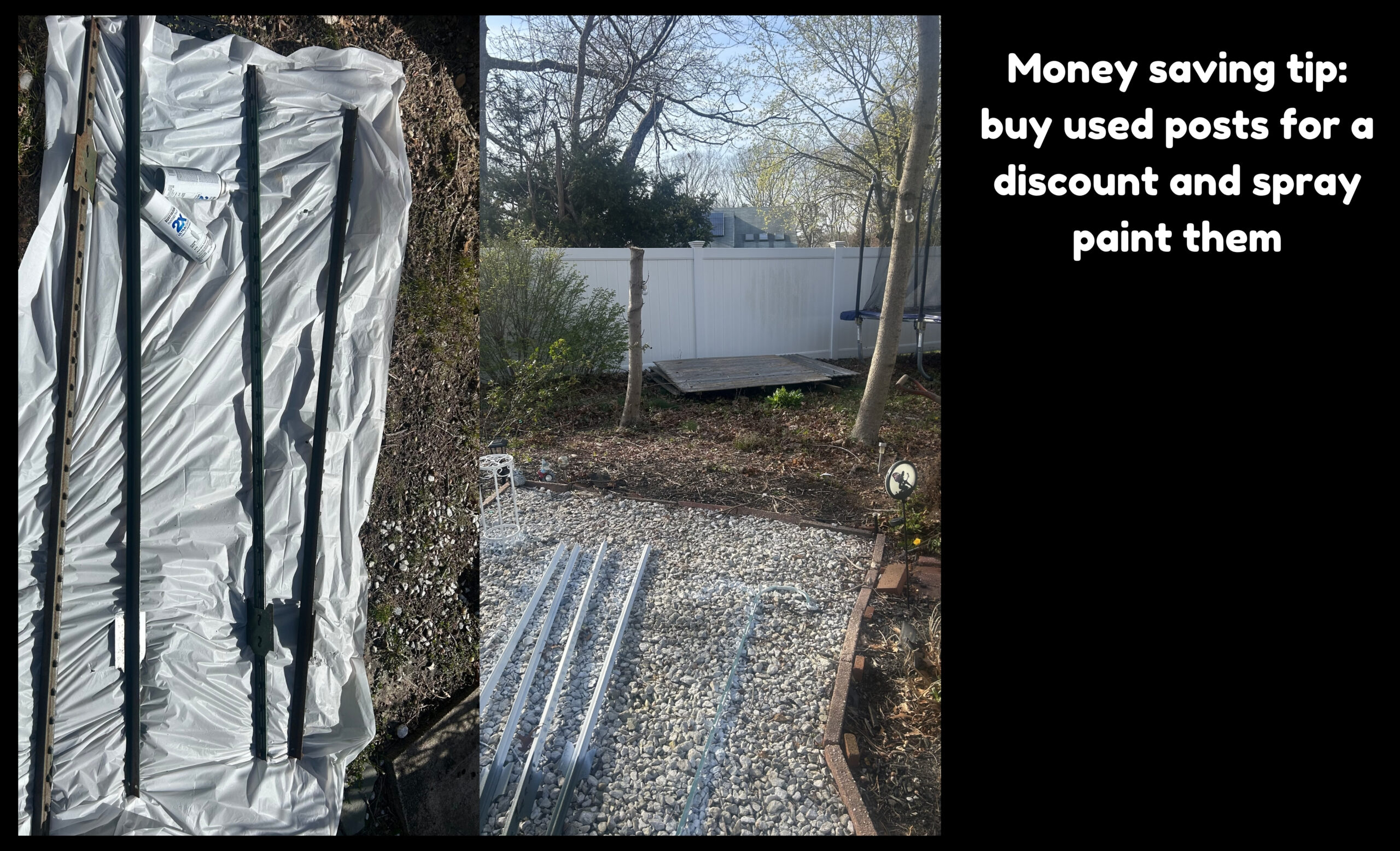
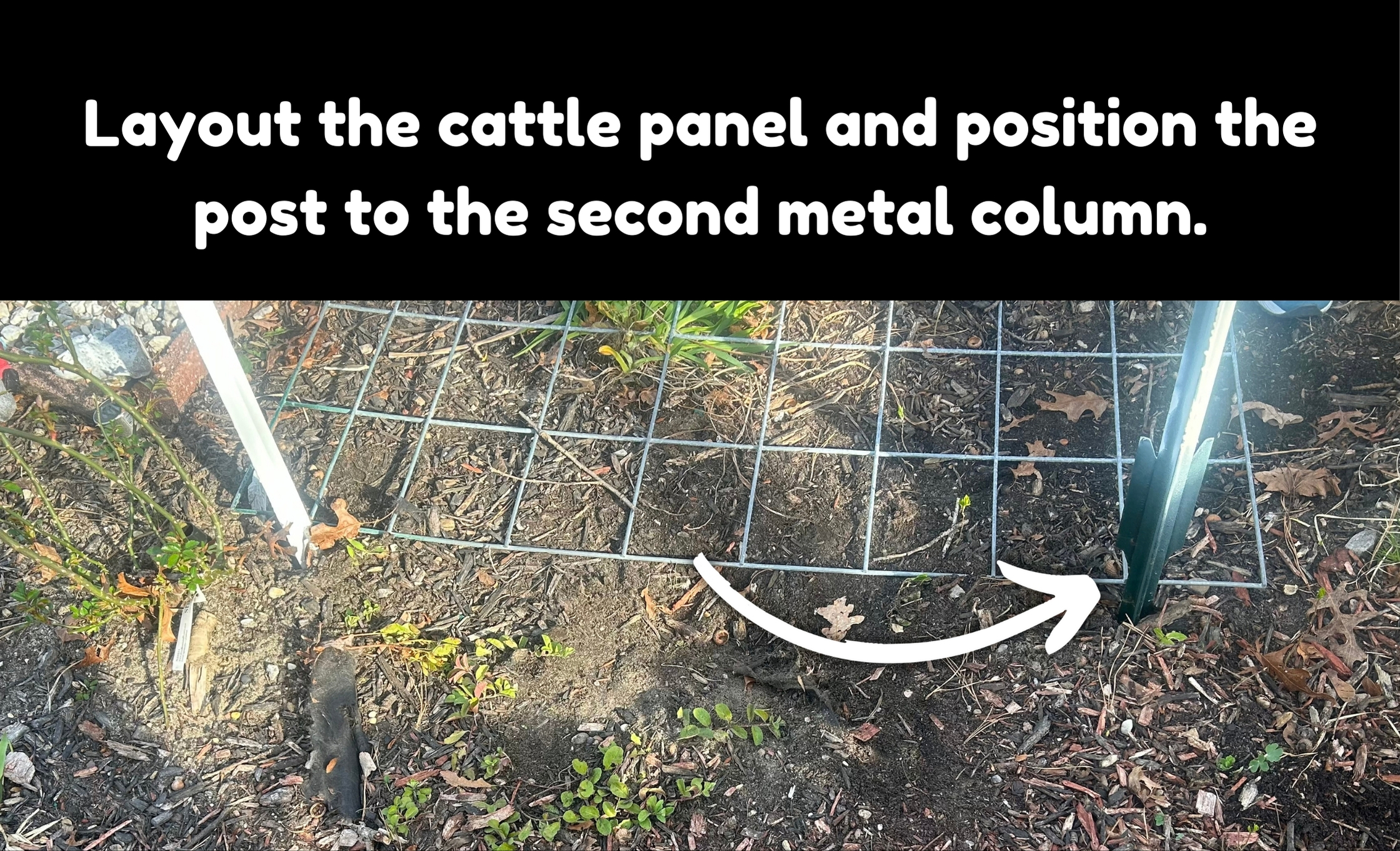
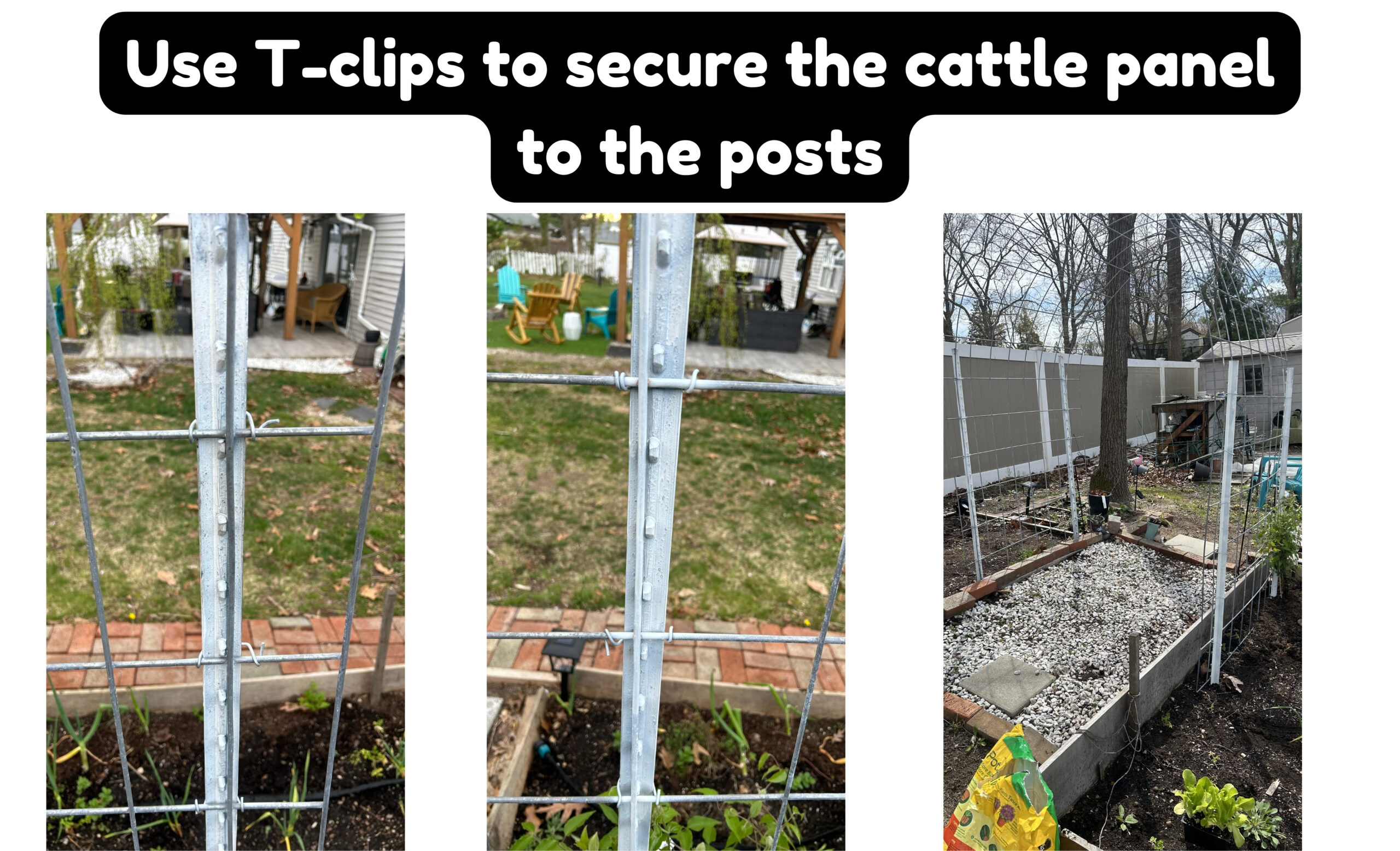
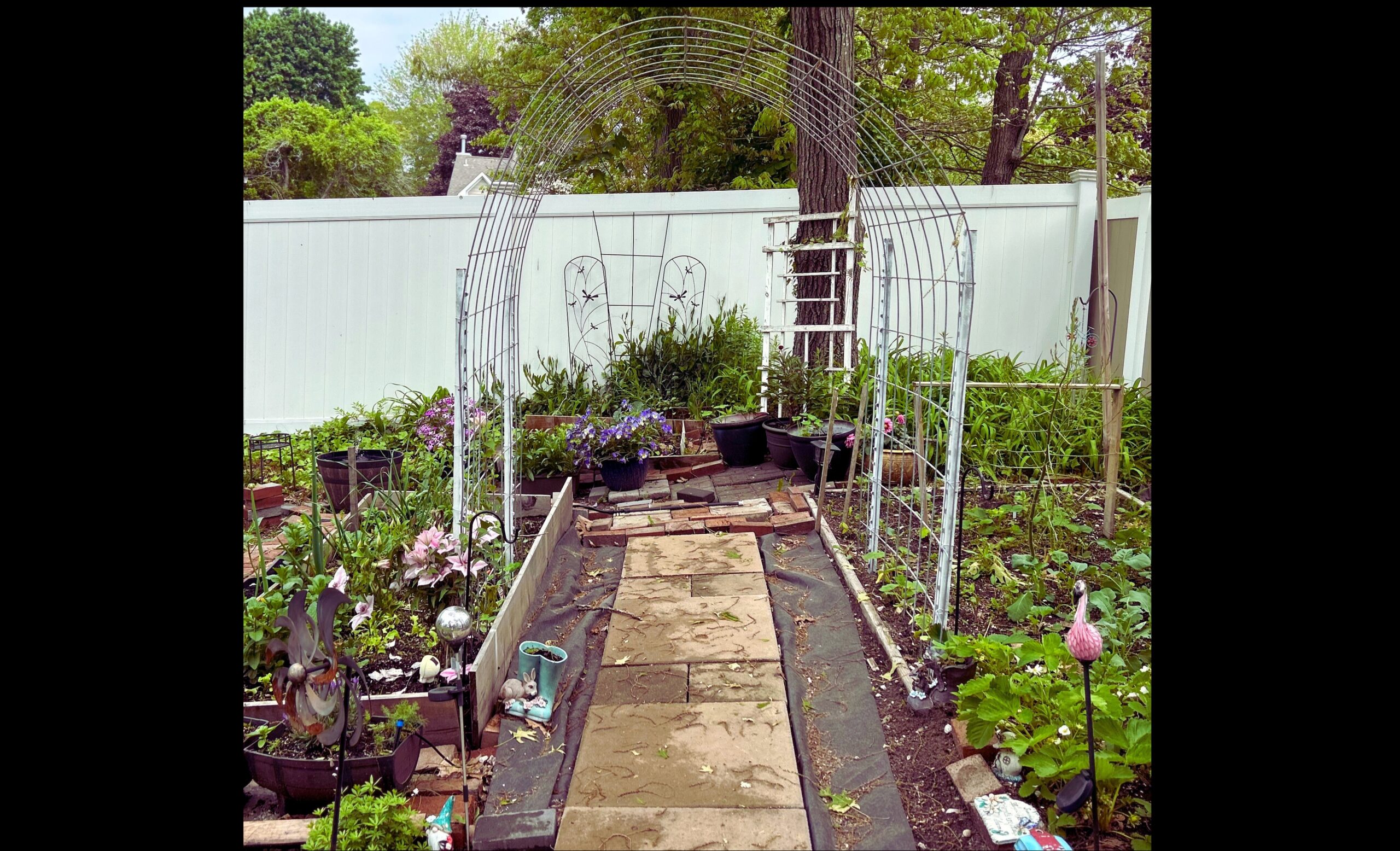
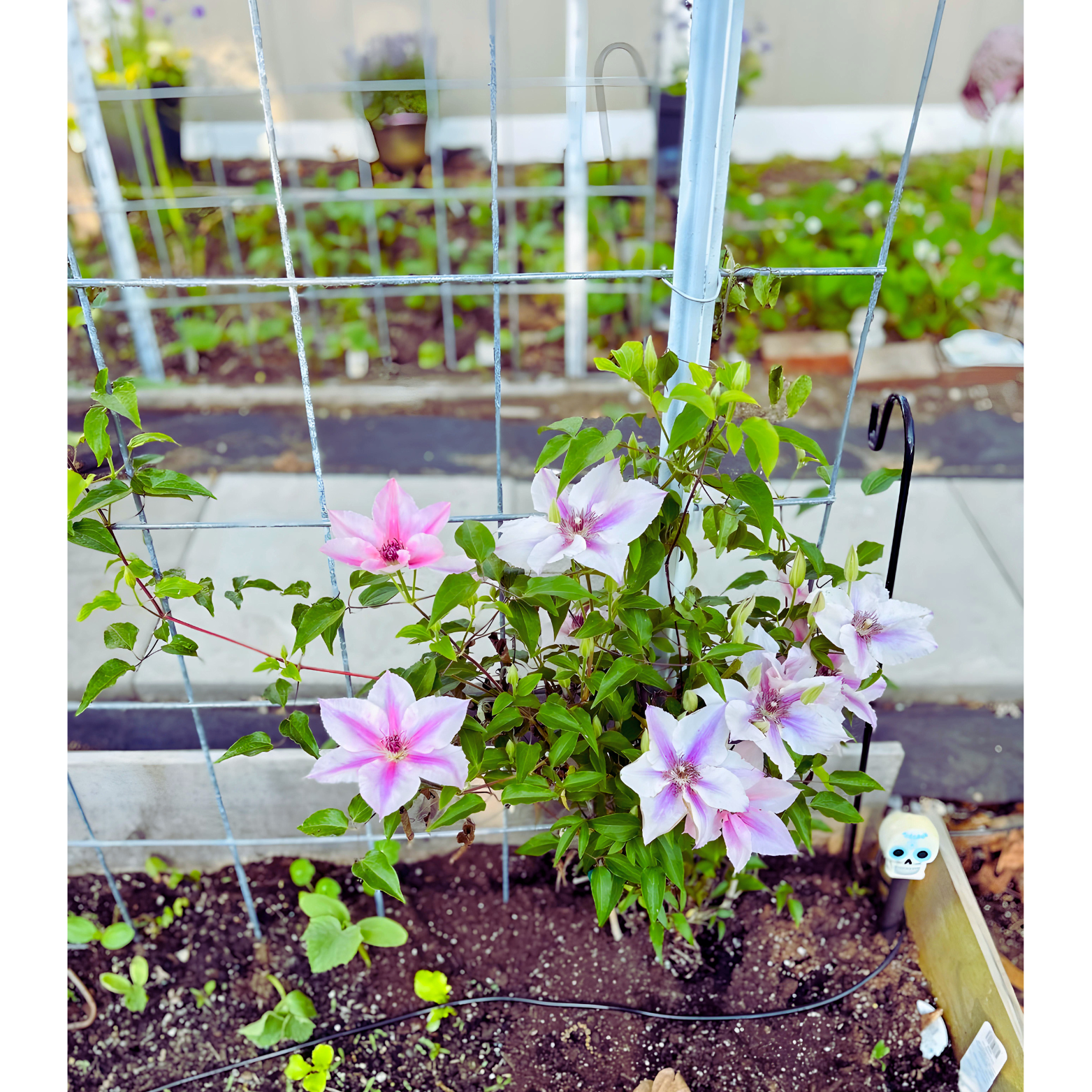
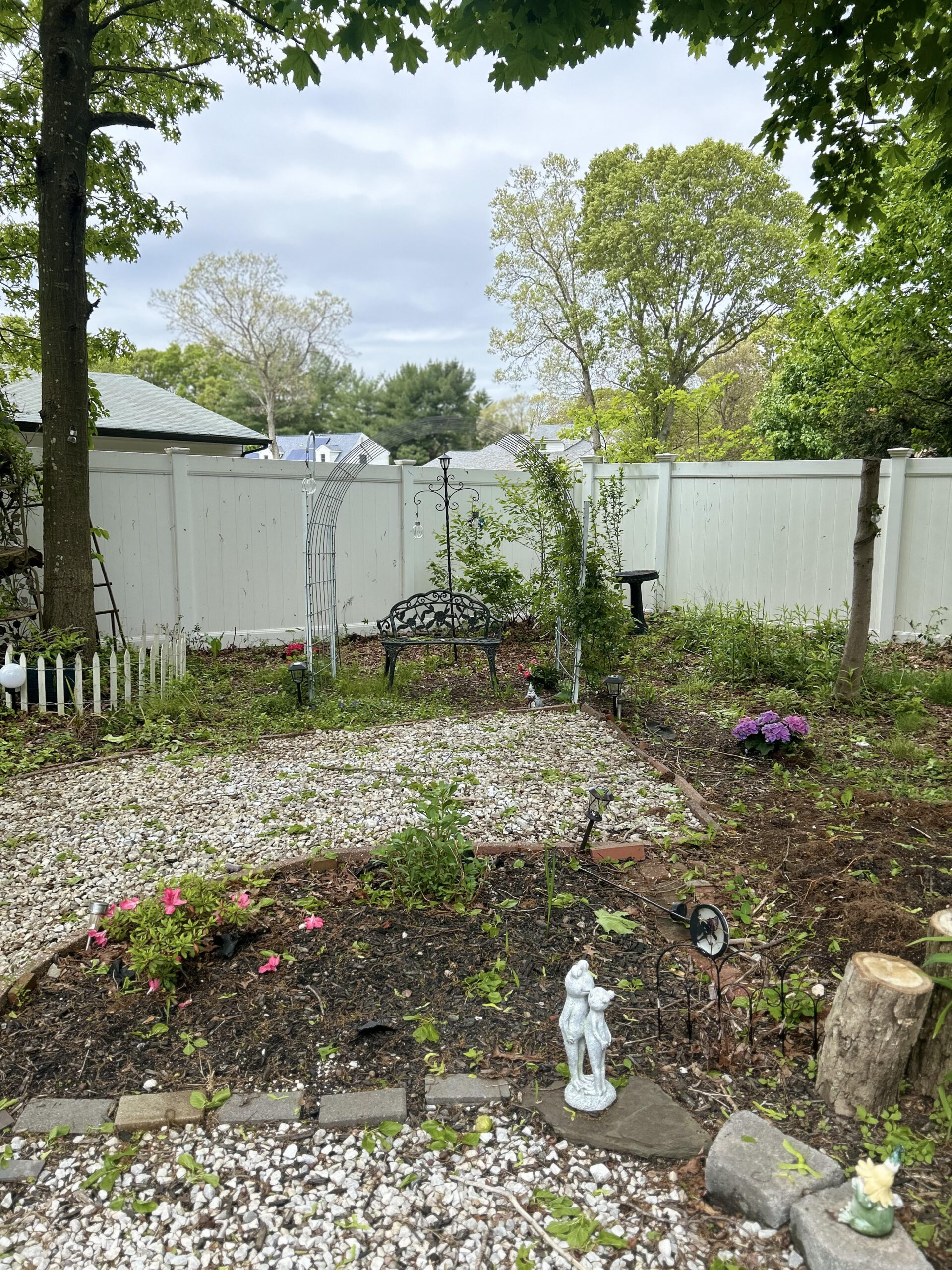
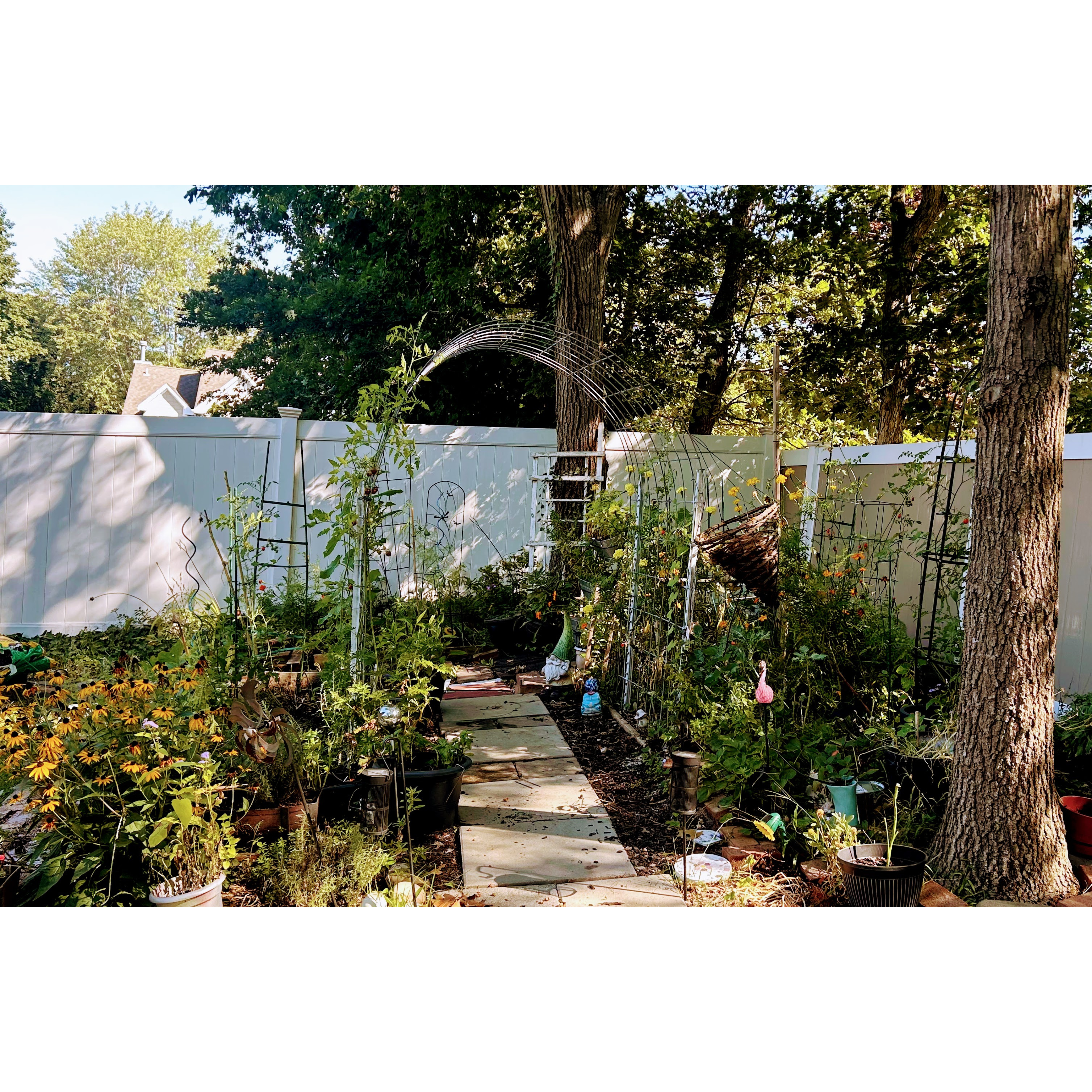
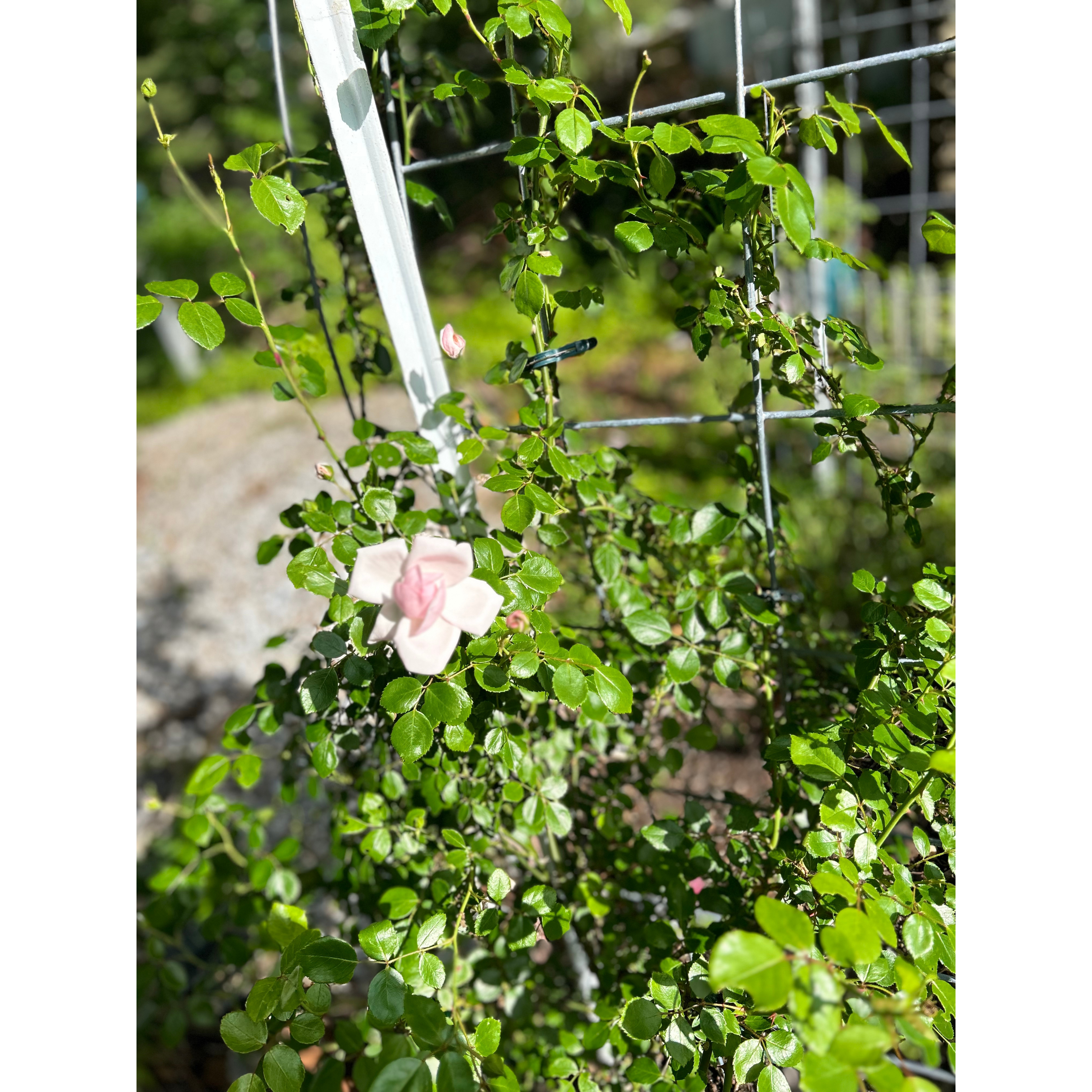
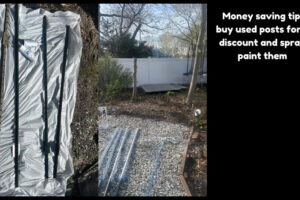
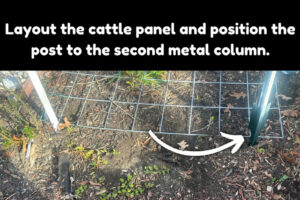
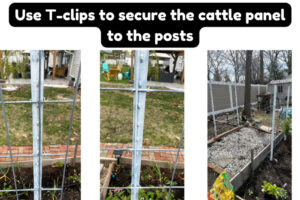
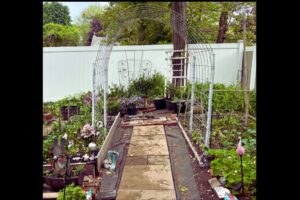
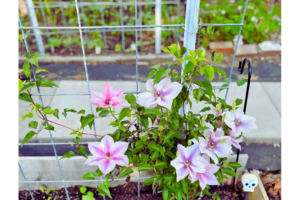
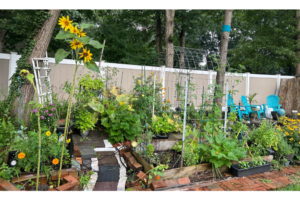
Table of Contents
- Why a Cattle Panel Trellis is a Game-Changer for Your Garden
- Essential Tools & Materials for Your Trellis
- Planning Your Perfect Trellis: Location, Size, and Design
- Step-by-Step Construction: Setting the Foundation
- Raising the Arch: Securing and Shaping Your Trellis
- Planting and Training Your Climbing Beauties
- Troubleshooting Common Cattle Panel Trellis Issues
- What Our Readers Are Saying
- Frequently Asked Questions
- People Also Ask
Introduction
I remember my first real garden plot. It was a modest rectangle of earth, and my ambition far outstripped its square footage. I wanted to grow everything: towering tomatoes, sprawling squash, and vibrant beans that reached for the sky. The problem, I quickly realized, was space. Going wide wasn’t an option, so I had to go up. That’s when I discovered the humble, yet magnificent, cattle panel. I’d seen them lining pastures, but it never occurred to me to bring one into my garden. That first year, I wrestled a 16-foot panel into an arch, secured it with some T-posts, and planted my pole beans. The result was nothing short of magical. It wasn’t just a plant support; it was a living sculpture, a gateway of green that transformed my flat, boring plot into a three-dimensional paradise.
This simple structure is one of the most effective, affordable, and durable vertical gardening solutions you can build. Forget flimsy, store-bought trellises that collapse under the weight of a single heavy cucumber. A cattle panel trellis is a workhorse, capable of supporting the most vigorous vines year after year with virtually no maintenance. It’s a project you can complete in a single afternoon with basic tools, and the impact it will have on your garden’s productivity and beauty is immense.
In this comprehensive guide, we’re going to walk through every single step of building your own cattle panel arch trellis. We’ll cover everything from selecting the right materials and planning the perfect location to the nitty-gritty of installation and troubleshooting. We’ll also explore the best plants to grow on your new structure to create a stunning and productive vertical garden. Whether you’re a seasoned gardener looking to maximize your space or a beginner eager to tackle your first DIY project, you’re in the right place. Let’s get ready to transform a simple piece of farm equipment into the fabulous focal point of your garden.
Essential Tools & Materials for Your Trellis
This post contains affiliate links. If you use these links to buy something, we may earn a commission. Thanks.
- 16-foot x 50-inch Cattle Panel – Find on Amazon
- Heavy-Duty Steel T-Posts (6.5-foot or 7-foot, 4-pack) – Find on Amazon
- T-Post Clips (Bag of 50) – Find on Amazon
- T-Post Driver – Find on Amazon
- Heavy-Duty Work Gloves – Find on Amazon
- Pliers or Fencing Pliers – Find on Amazon
- Tape Measure – Find on Amazon
- Rust-Resistant Metal Spray Paint (Optional) – Find on Amazon
Money-Saving Tip!
Before you buy your supplies online, especially from home improvement stores, sign up for Rakuten (formerly Ebates) to get cash back on your purchases. It’s a free and easy way to save a few extra dollars on your gardening projects! Sign up here!
Why a Cattle Panel Trellis is a Game-Changer for Your Garden
Before we grab our tools, let’s talk about why this project is so worthwhile. A cattle panel trellis isn’t just a trend; it’s a fundamental shift in how you can use your garden space. The benefits are numerous and significant, making it one of the best investments of time and money for any gardener.
1. Unmatched Durability and Longevity: Cattle panels are made from heavy-gauge galvanized steel. They are designed to withstand the elements and the force of large livestock for decades. Unlike wooden trellises that rot or bamboo stakes that splinter, a cattle panel will not degrade, warp, or break. You build it once, and it will likely outlast many other features in your garden. This means no annual replacement costs or mid-season collapses that destroy your precious plants.
2. Incredible Value for Money: When you compare the cost of a 16-foot cattle panel and a few T-posts to the price of smaller, less sturdy trellises from a garden center, the value is clear. For a relatively small initial investment, you get a massive, robust structure that can support dozens of plants. It’s a frugal gardener’s dream, providing professional-grade infrastructure on a DIY budget.
3. Maximized Growing Space: This is the magic of vertical gardening. By growing upwards, you free up valuable ground space for other crops. A single arch trellis can effectively double the planting area of its footprint. This is especially crucial for small urban gardens, raised beds, or anyone wanting to get a larger harvest from a limited area. You can grow sprawling cucumbers, melons, and squash vertically, leaving the soil below for root vegetables or leafy greens.
4. Improved Plant Health and Productivity: Lifting your vining plants off the ground has profound benefits for their health.
* Better Air Circulation: Air can move freely around the leaves and fruit, which dramatically reduces the risk of fungal diseases like powdery mildew that thrive in damp, stagnant conditions.
* Reduced Pest Problems: Keeping fruit off the ground protects it from soil-dwelling pests like slugs and pill bugs. It also makes it harder for rodents to access your harvest.
* Straighter, Cleaner Produce: Vegetables like cucumbers and zucchini grow straighter and more uniform when they hang down, and they stay clean, free from mud and grit. This makes harvesting and cleaning much easier.
5. Versatility in Design and Use: While the classic arch is the most popular design, it’s far from the only option. You can use cattle panels to create flat wall trellises against a fence or shed, A-frame structures for row crops, or even long, enchanting tunnels by connecting multiple panels. This adaptability allows you to customize the solution for your specific garden layout and needs. This is part of the fun of gardening; it’s a creative process, much like learning a beginner’s guide to growing dahlias, where you start with the basics and adapt to your unique environment.
Planning Your Perfect Trellis: Location, Size, and Design
A successful project begins with a good plan. Spending 30 minutes thinking through the placement and design of your trellis will save you hours of frustration later. Don’t just plop it in the first available spot; consider how it will function and integrate into your garden ecosystem.
### Choosing the Right Location
* Sunlight: The most crucial factor. Most climbing vegetables and flowers need at least 6-8 hours of direct sunlight per day. Observe your garden throughout the day to identify the sunniest spots. Remember that a tall trellis will cast a shadow. Position it on the north side of your garden bed so it doesn’t shade shorter, sun-loving plants to its south.
* Accessibility: You’ll need to be able to easily reach all parts of the trellis for planting, tying up vines, and harvesting. Ensure you have clear pathways on both sides of the arch. A standard 16-foot panel bent into an arch will create a walkway about 3-4 feet wide, which is perfect for a wheelbarrow.
* Soil Quality: You’ll be planting at the base of the trellis, so ensure the soil is well-draining and rich in organic matter. Amend the area with compost before you begin construction.
* Water Source: Is there a hose or irrigation system nearby? Lugging watering cans to your trellis all summer can become a chore. Plan for convenient watering.
### Determining the Size and Shape
The standard 16-foot long by 50-inch wide cattle panel is perfect for creating a walk-through arch. When you bend it, the height and width of the arch are inversely related.
* A wider base (e.g., 5 feet apart) will result in a lower arch (around 6.5 feet tall).
* A narrower base (e.g., 3.5 feet apart) will create a taller, more dramatic arch (over 7 feet tall).
Use a tape measure on your lawn to visualize the footprint. Think about what you want to walk under it. A taller arch feels more spacious and grand, while a lower, wider arch can be great for covering a raised bed. If a 16-foot panel is too large, you can often find 8-foot panels, or you can cut a larger one down to size using bolt cutters (be sure to wear safety glasses!).

### Design Variations
* The Classic Arch: The most popular and iconic design. Perfect for creating a garden entrance or a focal point.
* The A-Frame: Use two shorter panels or a single panel cut in half and lean them against each other to form a tent-like structure. This is excellent for growing beans or cucumbers in a single row.
* The Wall Trellis: Secure a flat panel directly to a wall, fence, or a series of T-posts to create a simple, space-saving vertical plane for plants to climb.
* The Tunnel: For a truly immersive experience, line up several arches in a row to create a long, green tunnel. This is a stunning feature in a larger garden and incredibly productive.

Step-by-Step Construction: Setting the Foundation
This is where the real work begins, but don’t worry, it’s straightforward. The key to a sturdy, long-lasting trellis is a solid foundation. Your T-posts are the anchors, so getting them set correctly is paramount. Safety first: always wear heavy-duty gloves when handling cattle panels and T-posts, as the edges can be sharp.
Step 1: Mark Your Post Locations
Once you’ve decided on the width of your arch, use your tape measure to mark the exact spots where the posts will go. You will need at least four T-posts—two for each side of the arch. For a standard 16-foot panel, place one post near the front edge of where the panel will sit and the other about 3-4 feet behind it. This provides stability along the length of the arch’s base. Ensure the distance between the two sides is consistent at the front and back to create a perfectly parallel structure.
Step 2: Drive the T-Posts
This is the most physically demanding part of the job. A T-post driver is highly recommended. It’s a weighted pipe with handles that you place over the post. You lift and drop it, using its weight to drive the post into the ground. This is much safer and more effective than swinging a sledgehammer.
* Position the first T-post on your mark, with the studded side facing where the panel will be attached.
* Place the T-post driver over the top.
* With a firm grip on the handles, lift and drop the driver, letting gravity do most of the work. Check for plumb (vertical straightness) with a level every dozen or so strikes. It’s easier to correct a slight lean early on than a major one later.
* Drive the post until the anchor plate (the triangle-shaped plate near the bottom) is fully submerged below the soil surface. You’ll want at least 1.5 to 2 feet of the post in the ground for maximum stability, especially in loose or sandy soil.
* Repeat this process for the remaining three posts, double-checking your measurements to ensure they are parallel and evenly spaced.
### Pro Tip: Dealing with Hard or Rocky Soil
If you hit a rock or impenetrable hardpan, don’t force it. Pull the post out and try moving the location by a few inches. If the ground is generally very hard and dry, watering the area thoroughly the day before can make driving the posts significantly easier. For extremely rocky soil, you might need to use a digging bar to create a pilot hole first.
Raising the Arch: Securing and Shaping Your Trellis
This step is where the magic happens and your flat panel becomes a three-dimensional structure. It’s best to have a helper for this part, as the 16-foot panel can be unwieldy for one person.
Step 1: Position the Panel
With your helper, carry the cattle panel and place one end on the ground next to the first pair of T-posts. The bottom wire of the panel should rest on the ground. Lean the panel up against the T-posts. The panel will be tall and flat at this point.
Step 2: Make the First Attachments
Take your T-post clips and pliers. Starting with the first post, secure the panel at three or four points. The clips are designed to wrap around the post and hook onto the wire of the panel.
* Hook the clip around the vertical wire of the panel.
* Wrap the two ends of the clip around the T-post, catching on the studs.
* Use your pliers to twist the ends tightly together, creating a secure connection. The panel should be held firmly against the post.
* Attach clips near the top, middle, and bottom of the post for a solid hold. Repeat on the second T-post on the same side.

Step 3: Bend and Form the Arch
This is the exciting part! With one side of the panel securely attached, you and your helper will now bend the other side over to meet the second set of T-posts.
* One person should stay near the secured base to act as an anchor.
* The other person should grab the top of the panel and slowly and carefully walk it over, bending it into an arch.
* The panel has a natural spring to it and will want to flex. Go slowly and control the movement.
* As you bring the free end down towards the other two T-posts, your helper can guide it into position so it rests on the ground, flush against the posts.
Step 4: Secure the Second Side
Once the arch is formed and the second side is in position, immediately attach a few T-post clips to hold it in place. Start with one clip on each post to prevent the panel from springing back. Once it’s temporarily secured, go back and add more clips along the length of both posts, just as you did on the first side. Your arch is now a stable, free-standing structure!
Give the whole trellis a good shake. It should be incredibly solid with minimal wobble. If it feels loose, you may need to drive the posts deeper or add more clips. Remember, this structure will eventually hold a lot of weight from plants and fruit, so stability is key. You’ll be amazed at how quickly you’ve created a major piece of garden architecture. This kind of hands-on project is so rewarding, much like when you learn the simple technique of pinching dahlias for more blooms and see the incredible results in your garden.
Planting and Training Your Climbing Beauties
With your trellis built, the fun of planting begins! This sturdy structure can support a wide variety of climbing plants, from heavy food crops to delicate, beautiful flowers.
### Best Plants for a Cattle Panel Trellis
* Vegetables: Pole beans, cucumbers, small melons (like cantaloupe or sugar baby watermelon), winter squash (like delicata or butternut – use slings for heavy fruit), Malabar spinach, peas (snow and snap), and indeterminate tomatoes (they’ll need to be tied on).
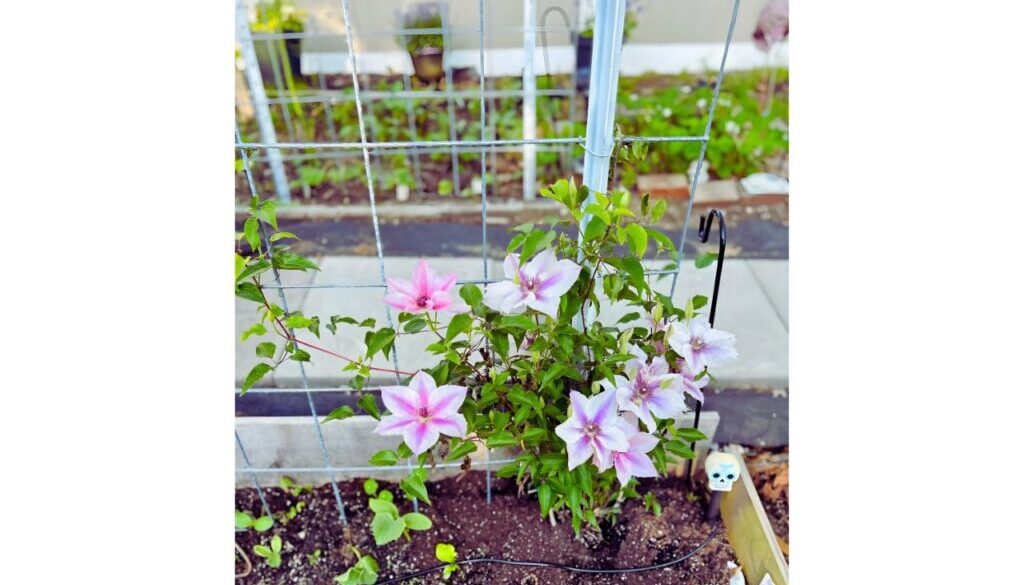
* Flowers: Climbing roses, clematis, morning glories, moonflowers, sweet peas, black-eyed Susan vine, and passionflower.
* Fruit: Grapes, kiwi berries, and some types of climbing berries like tayberries.
### Planting Strategy
Plant your seeds or seedlings along the base of the trellis on both the inside and outside of the arch. Follow the spacing recommendations for your specific plants. Planting on both sides will ensure the entire trellis is covered in lush greenery. You can even place large containers at the base if you’re working on a patio or have poor soil. In fact, many plants do surprisingly well in containers, and our guide on how to grow dahlias in pots has tips that apply to many other container-grown plants.

### Training Your Plants
Most climbing plants are natural explorers, but they often need a little guidance to get started.
* The Gentle Nudge: When your seedlings are a few inches tall, gently weave their growing tips through the bottom squares of the trellis. This encourages them to start their upward journey.
* Using Ties: For plants with less aggressive tendrils, like tomatoes, you’ll need to loosely tie their main stems to the trellis as they grow. Use soft plant ties, strips of old t-shirts, or garden twine. Leave some slack to allow the stem to thicken without being girdled.
* Let Nature Take Over: Once plants like cucumbers, beans, and peas find the trellis, their tendrils will take over, grabbing onto the wires and pulling the plant upwards. Your main job will be to occasionally tuck in any stray vines to keep the growth tidy and directed.

### Slings for Heavy Fruit
If you’re growing heavier fruits like cantaloupe or larger squash, you’ll need to provide extra support to prevent them from breaking off the vine prematurely. You can create simple slings from old pantyhose, mesh onion bags, or pieces of fabric. Cradle the developing fruit in the sling and tie the ends securely to the trellis grid above it. This transfers the weight from the vine’s stem to the sturdy trellis structure.
Troubleshooting Common Cattle Panel Trellis Issues
While building a cattle panel trellis is a very forgiving DIY project, you might run into a few small hiccups. Here’s how to handle the most common issues.
Problem: The ground is too hard to drive the T-posts.
* Solution 1: Add Water. As mentioned earlier, thoroughly soaking the ground 12-24 hours in advance can make a world of difference. The water lubricates the soil particles, allowing the post to penetrate much more easily.
* Solution 2: Create a Pilot Hole. If you’re dealing with heavily compacted clay or rocky soil, a pilot hole is your best friend. Use a digging bar or a piece of rebar and a sledgehammer to create a hole a few inches deep. This will break up the initial resistance and give your T-post a starting point.
* Solution 3: Check Your Equipment. Ensure you’re using a heavy T-post driver. A lightweight one won’t have the necessary force. Also, make sure the tip of your T-post isn’t bent or damaged.
Problem: The arch is lopsided or uneven.
* Solution 1: Check Your Base Measurements. This usually happens when the T-posts on one side are not perfectly parallel to the other side. Before you attach the second side of the panel, use a tape measure to check the distance between the front posts and the back posts. Adjust as needed to make the footprint a perfect rectangle.
* Solution 2: Adjust the Clips. If the arch is already up, you might be able to make minor adjustments. Loosen the T-post clips on one side, have a helper push or pull the arch into a more symmetrical shape, and then re-tighten the clips. This works best for small imperfections.
Problem: The trellis feels wobbly or unstable.
* Solution 1: Go Deeper. The most common cause of instability is posts that aren’t driven deep enough. The anchor plate must be fully buried, and in sandy or very loose soil, you may need to go even deeper—up to 2.5 feet into the ground.
* Solution 2: Add More Clips. Ensure you have used enough T-post clips to connect the panel to the posts securely. A clip every 12-18 inches is a good rule of thumb. A tight connection between the panel and the posts is what gives the structure its rigidity.
* Solution 3 (for extreme cases): Add Bracing. In very high-wind areas or for extra-large structures, you can add a diagonal brace. Drive an additional T-post at an angle a few feet away from the base and run a wire with a turnbuckle from the top of your trellis post to the anchor post. This is rarely necessary but provides ultimate stability.
Problem: The panel is starting to rust.
* Solution: Cattle panels are galvanized, meaning they are coated in zinc to prevent rust. This coating lasts for many, many years. However, if the coating gets deeply scratched or if you cut the panel, the exposed steel can rust. This is usually just a surface issue and won’t affect the structural integrity for a very long time. If the appearance bothers you, you can lightly sand the rusted area and apply a coat of rust-inhibiting metal primer and paint.
What Our Readers Are Saying
“I built this exact trellis last spring after reading this guide, and it completely transformed my vegetable garden! It was easier than I thought, and my cucumbers have never been happier or healthier. No more powdery mildew!”
“My garden is tiny, and I thought I could never grow melons. The cattle panel arch made it possible. It’s the strongest, most affordable trellis I’ve ever used. Plus, walking through the green tunnel to pick beans is my favorite part of the day.”
“As a beginner, I was intimidated, but these instructions were so clear and easy to follow. My husband and I knocked it out in an afternoon. It’s a beautiful, functional centerpiece for our yard. Highly recommend this project!”
Frequently Asked Questions
How long will a galvanized cattle panel trellis last?
A very long time. The heavy-gauge steel and zinc galvanization are designed to withstand harsh farm conditions for decades. You can realistically expect your trellis to last 20 years or more with virtually no maintenance.
Can I build this trellis by myself?
It is possible, but it is much easier and safer with a helper. The most difficult part to do alone is bending the 16-foot panel into an arch and securing the second side. A second person makes this step simple and quick.
Do I need to take the trellis down in the winter?
Absolutely not! One of the biggest advantages of a cattle panel trellis is its permanence. It is strong enough to handle snow load and winter weather. You can simply clear off the dead plant material in the fall and it will be ready for you in the spring.
Can I paint my cattle panel and T-posts?
Yes, you can. For the best results, choose a spray paint designed for direct-to-metal application that includes rust-inhibiting properties. A dark color like black or dark green can look very elegant in the garden, making the metalwork recede and the plants stand out.
People Also Ask
How far apart should T-posts be for a cattle panel arch?
The distance between the two rows of T-posts determines the width and height of your arch. A common width is 4 to 5 feet apart. This creates a comfortable walkway and a good arch height. The T-posts along each side of the base should be spaced about 3 to 4 feet apart for stability.
What is the best thing to grow on a cattle panel trellis?
The best plants are vigorous climbers. For vegetables, pole beans, cucumbers, and small melons are fantastic choices. For flowers, clematis, climbing roses, and morning glories work beautifully. Avoid very heavy plants like large pumpkins unless you plan to provide significant extra support for the fruit.
How do you get a cattle panel home from the store?
This is a common logistical challenge. A 16-foot panel will not fit in most vehicles. The easiest way is to use a pickup truck or a utility trailer. You can also gently bend the panel into a large ‘U’ shape in the bed of a truck to shorten its length, securing it well with ratchet straps.
Can you use a cattle panel for tomatoes?
Yes, cattle panels are excellent for supporting indeterminate (vining) tomatoes. Instead of using an arch, you can set up the panel as a flat wall. As the tomatoes grow, you can weave the stems through the grid or use soft ties to secure them. This provides much better support and air circulation than traditional small tomato cages.
Conclusion
There you have it—a complete blueprint for transforming a simple, flat piece of farm fencing into a fabulous, productive, and architectural feature for your garden. Building a cattle panel trellis is more than just a DIY project; it’s an investment in your garden’s health, beauty, and productivity for years to come. By going vertical, you unlock a new dimension of gardening, creating space where there was none and turning a simple plot into a lush, green sanctuary. We hope this guide has demystified the process and inspired you to give it a try. Now we’d love to hear from you: What do you dream of growing on your new cattle panel trellis?