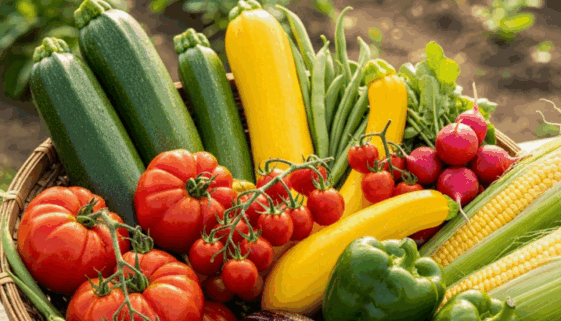
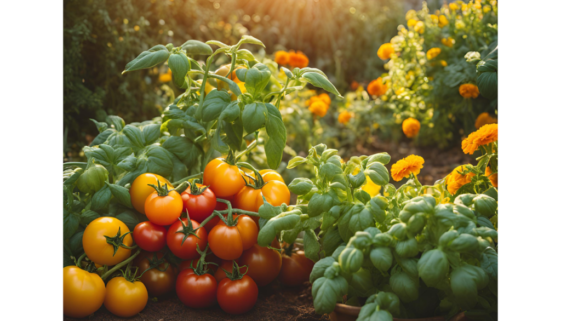
Mastering the art of the harvest transforms you from someone who simply grows plants into a true gardener. It’s about observation, patience, and learning the subtle cues your garden provides. By understanding the seasonal rhythms of planting and the specific signs of peak ripeness, you ensure that every vegetable you bring to your table is bursting with flavor and nutrition. No more guesswork, no more disappointment—just the pure, delicious satisfaction of a harvest done right.
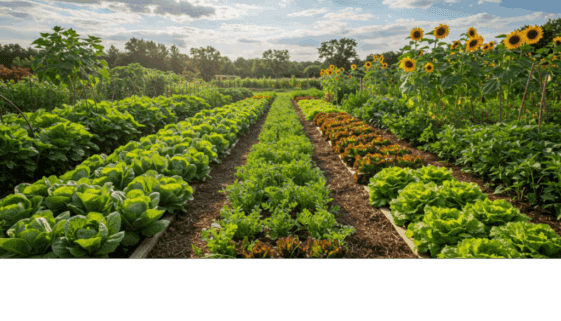
Before you buy a single seed packet, the most critical decision you’ll make is where to place your garden. The right spot can mean the difference between a bountiful harvest and a disappointing struggle. Here’s how to play real estate agent in your own backyard. Nearly all vegetables and most flowering plants are sun-worshippers. They need at least 6-8 hours of direct sunlight per day to photosynthesize effectively, produce fruit, and flourish. Less than that, and you’ll likely end up with spindly plants and a meager harvest. To find your sunniest spots, become a sun-mapper for a day. Observe your yard at different times: morning (9 am), noon, and late afternoon (4 pm). Note which areas receive direct, unfiltered sunlight and for how long. Remember that the sun’s path changes with the seasons, so what’s sunny in April might be shadier in July when leafy trees are in full canopy. An ideal spot will have full morning sun and perhaps a little protection from the scorching late afternoon sun, especially in hotter climates.
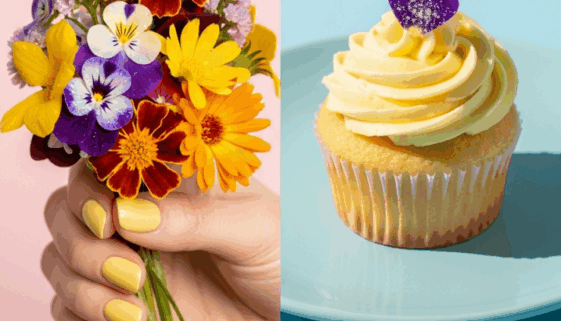
Bringing edible flowers into your kitchen is a delightful way to connect with your garden and add a touch of magic to your meals. From the vibrant pop of color on a salad to the subtle, surprising flavor in a cookie, these beautiful blooms offer a whole new palette for culinary exploration. I hope this guide has inspired you to look at the flowers in your garden not just as decoration, but as a delicious and exciting ingredient. Start with one or two you feel comfortable with, and let your creativity blossom.
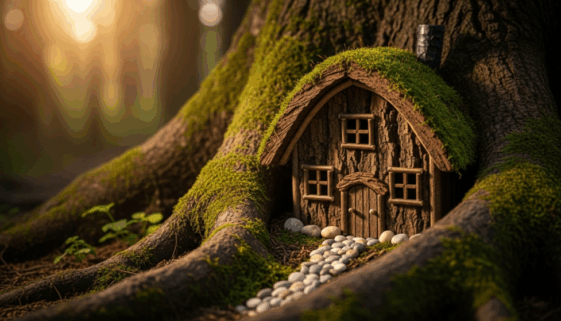
Building a fairy house from nature’s own materials is a journey back to imagination. It’s a quiet rebellion against the perfectly manufactured and a celebration of the beautifully imperfect. You’ve not only created a charming piece of garden art but also a story, a memory, and a secret place where magic feels entirely possible. The real joy is in the making, the foraging, and the final moment of placing it in its special spot, waiting for the garden’s tiniest residents to move in.
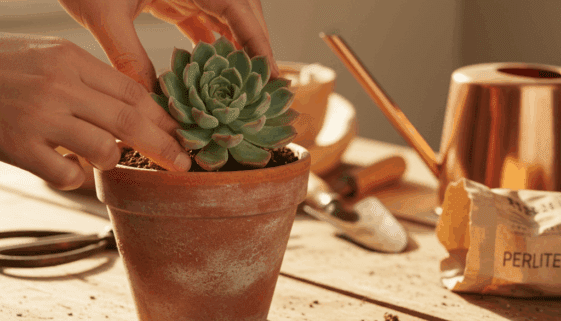
Creating your first succulent garden is an incredibly rewarding project that connects you with the quiet, resilient beauty of nature. By focusing on the fundamentals—choosing the right plants for your light conditions, providing a pot with excellent drainage, using gritty soil, and mastering the ‘soak and dry’ watering method—you are setting yourself up for success. Gone are the days of the ‘black thumb’; you are now equipped with the expert knowledge to grow a stunning, thriving collection of these fascinating plants. Embrace the process, observe your plants, and don’t be afraid to get your hands dirty. What’s the first succulent you’re planning to add to your new garden? Share your picks in the comments below!
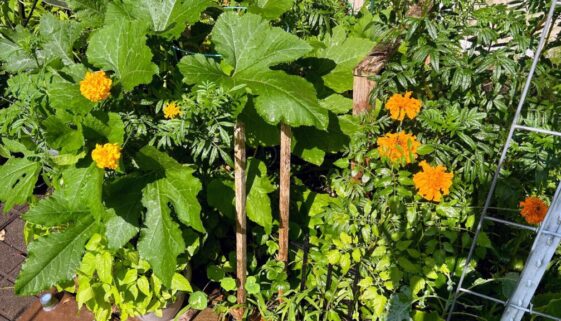
If you thought gardening was just about sticking seeds in the dirt and hoping for the best, let us introduce you to the vibrant, social, and surprisingly strategic world of companion planting. Think of it as matchmaking for plants—with real-life benefits like bigger harvests, fewer pests, and way less work for you.
Whether you have a sprawling backyard oasis or a few container veggies on your patio, understanding who your plants want to hang out with (and who they definitely don’t) is key to creating a thriving, low-maintenance garden.
Do you ever feel like your garden needs a little matchmaking help? Like that sad tomato plant could use a friend? Or maybe your carrots are just waiting for the perfect companion to help them truly shine? Well, garden friend, you’ve come to the right place!
Today, I’m diving deep into the wonderful world of companion planting – a gardening technique that’s been around for centuries but feels more relevant than ever in our chemical-conscious times.
Are you looking for the best ways to preserve your garden vegetables and enjoy your harvest year-round? Whether you’re wondering how to freeze garden produce, dry herbs for tea, or can tomatoes for long-term storage, this guide has you covered! Learn the essential tips and techniques for preserving everything from garden beans and potatoes to herbs like mint and lavender. Plus, discover the incredible health benefits of gardening and storing your own food. Don’t let your hard-earned harvest go to waste—Innovate, Create, and Elevate with DIYDalia’s ultimate guide to preserving garden produce!
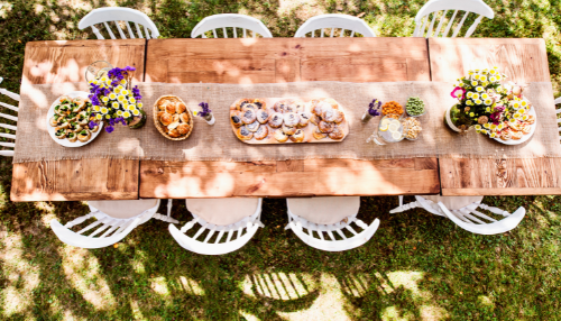
Are you ready to transform your homegrown ingredients into mouthwatering meals? In our latest article, “From Garden to Table: Fresh Recipes Using Your Homegrown Ingredients,” you’ll find easy and delicious recipes that celebrate the flavors of fresh vegetables and herbs straight from your garden. Learn how to create vibrant salads, savory roasted vegetables, and aromatic herbal teas that highlight your garden’s bounty.
Dive into the health benefits of cooking with fresh, organic produce, and explore creative ways to preserve your harvest for future use. Whether you’re a seasoned gardener or just starting, our garden-to-table recipes will elevate your cooking and inspire you to enjoy the fruits of your labor. Don’t miss out on the tips and tricks that will help you innovate and create delicious meals year-round!
Ready to transform your backyard into a flourishing oasis? Whether you’re a seasoned gardener or a complete beginner, The Essential Guide to Gardening has everything you need to start your garden from scratch. Learn how to grow pesticide-free fruits and vegetables, explore companion planting techniques for cucumbers, peppers, tomatoes, and strawberries, and discover when to start seeds indoors for the best results. From garden layout and seed-starting tips to water conservation and soil preparation, this comprehensive guide offers step-by-step advice to help your garden thrive.
Don’t miss out on expert tips, including how to start seeds indoors, when to move them outside, and why companion planting is a game-changer. Ready to get your hands dirty? Read more and start your gardening journey today!
Check out more gardening inspiration, like our post on building a DIY cattle panel trellis to support your growing plants in style!