DIY Fairy House: How to Build a Magical Home from Natural Materials
DIY Fairy House: How to Build a Magical Home from Natural Materials

Table of Contents
- Why Build a Natural Fairy House?
- The Great Fairy Forage: Gathering Your Materials
- Constructing Your Fairy Abode: A Step-by-Step Guide
- Adding Enchanting Details and Furniture
- Choosing the Perfect Spot in Your Garden
- Essential Materials & Tools
- Frequently Asked Questions
- People Also Ask
I still remember the thrill of stumbling upon a perfect circle of mushrooms in the woods behind my childhood home. My grandmother called it a ‘fairy ring,’ a gateway to a hidden, magical world. That sense of wonder, the belief that tiny, winged beings might be flitting just out of sight, has never truly left me. It’s a magic we can recreate in our own backyards, not with plastic kits from a big-box store, but with the treasures nature provides for free.
Building a fairy house is more than just a craft; it’s an invitation. It’s a way to connect with the natural world, to slow down and notice the intricate beauty of a piece of bark, the soft texture of moss, or the delicate structure of a fallen leaf. It’s an activity that can enchant children and adults alike, sparking creativity and imaginative play that lasts far longer than the project itself.
In this guide, we’re going to bypass the glitter and plastic entirely. We’ll embark on an adventure to build a truly magical fairy house using only found natural materials. I’ll walk you through every step, from foraging for the perfect building supplies in your own backyard or local park to constructing a sturdy and whimsical home that looks as if it sprouted right from the earth. Get ready to create a little piece of enchantment that will charm every visitor to your garden—human or otherwise!
Essential Materials & Tools
This post contains affiliate links. If you use these links to buy something, we may earn a commission. Thanks.
- Twigs and Sticks (various sizes) – Find on Amazon
- Tree Bark (especially birch or other peeling bark) – Find on Amazon
- Moss (sheets and clumps) – Find on Amazon
- Large Leaves (like magnolia or oak) – Find on Amazon
- Pebbles and Small Stones – Find on Amazon
- Acorn Caps, Pinecones, and Seed Pods – Find on Amazon
- Hot Glue Gun with Glue Sticks (for sturdy, quick bonds) – Find on Amazon
- Waterproof Wood Glue (for outdoor durability) – Find on Amazon
- Garden Pruning Shears or Secateurs – Find on Amazon
- A Sturdy Base (flat stone, wood slice, or tree fungus) – Find on Amazon
- Twine or Natural Jute Cord – Find on Amazon
- Seashells or Sea Glass (if available) – Find on Amazon
Money-Saving Tip!
Before you buy any tools or supplies online, sign up for Rakuten (formerly Ebates) to get cash back on your purchases from many online stores. It’s a free and easy way to save money on your projects! Sign up here!
Another Way to Earn!
Turn basically anything you do into gift cards with Fetch. Earn at stores, restaurants and shopping online. Even playing free games. Download Fetch with my link or use code AVQ9B to get a bonus when you submit your first receipt. Download Fetch here!
The Great Fairy Forage: Gathering Your Materials
The first and most magical step is gathering your building supplies. This isn’t a trip to the hardware store; it’s an adventure in your own backyard, a local park, or a nearby forest. Arm yourself with a basket or a cloth bag and go on a treasure hunt. Encourage kids to use their imaginations to see the potential in every fallen object.
What to look for:
- Structural Elements: Look for sturdy twigs for the frame, flat pieces of bark for walls and roofs, and a solid base like a wide, flat stone or a thick slice of a fallen log.
- Roofing and Siding: Sheets of moss are perfect for a soft, green roof. Large, tough leaves like those from magnolia or oak trees can be layered like shingles. Peeling bark, especially from birch trees, makes for beautiful, rustic siding.
- Decorative Touches: This is where the real fun begins. Acorn caps can become tiny bowls or light fixtures. Small pinecones can serve as decorative roof finials. Smooth pebbles make a perfect walkway, and colorful flower petals can be used for temporary decorations. Look for interesting seed pods, small shells, or even bird feathers.

Tips for Foraging
- Respect Nature: Only collect materials that have already fallen to the ground. Never break branches off living trees or strip bark. Avoid disturbing animal habitats.
- Think Small: Remember, you’re building for fairies! Look for delicate and tiny items that will be in the correct scale.
- Dry Your Materials: If your materials are damp, especially moss and wood, let them dry out for a day or two indoors before you start building. This will prevent mold and ensure your glue adheres properly.
This process of gathering is a wonderful way to teach children about the different types of trees and plants in your area. It connects them directly to the environment and the changing seasons.
Constructing Your Fairy Abode: A Step-by-Step Guide
With your treasures gathered, it’s time to become a fairy architect. Find a comfortable, flat surface to work on, either outdoors on a patio table or indoors on a protected surface.

Step 1: The Foundation
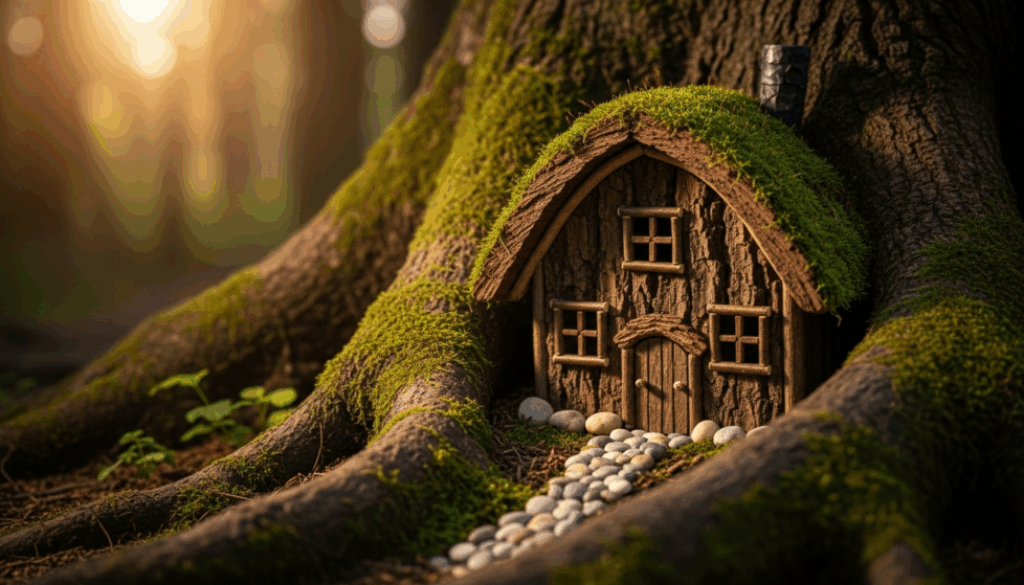
Your fairy house needs a solid base to rest upon. A flat stone, a slice from a log, or even a large, sturdy bracket fungus (shelf fungus) works perfectly. This provides stability and slightly elevates the structure off the damp ground. Make sure your chosen base is level.
Step 2: Building the Frame
This is the skeleton of your house. Select four of your straightest, sturdiest sticks for the corner posts. Use a hot glue gun or strong, waterproof wood glue to attach them vertically to your base. Once the corners are set, begin connecting them with more twigs to create the top frame and cross-bracing for the walls. You can use dabs of hot glue at the joints or lash them together with natural twine for a more rustic look. Don’t worry about perfection; whimsical and slightly crooked often looks best!

Step 3: Attaching Walls and Siding
Now you’ll give your house some substance. Take your pieces of bark and glue them onto the twig frame. You can use one large piece per side or mosaic smaller pieces together. If you don’t have bark, you can create walls by gluing smaller twigs vertically or horizontally across the frame, like a tiny log cabin. Leave openings for a door and windows.
Step 4: Raising the Roof
No home is complete without a roof. You can create a simple flat roof or a more traditional pitched roof. For a pitched roof, form an ‘A’ shape with two twigs and glue it to the top of your frame. Connect several of these ‘A’ frames with a single ridge-pole twig running along the top. Once the roof frame is secure, you can add your roofing material.
- Bark Shingles: Glue small, overlapping pieces of bark onto the roof frame.
- Leaf Shingles: Layer large, sturdy leaves, starting from the bottom and working your way up.
- Moss Thatch: Gently press sheets of moss onto a roof frame that has been covered in glue. This creates a beautiful, living roof look.

Adding Enchanting Details and Furniture
This is the stage where you bring your fairy house to life and infuse it with personality. Let your creativity run wild! Think about what a fairy might need or want in their home.
Exterior Details
- Door: A small piece of bark, a flat stone, or a slice of wood can serve as a door. You can even add a tiny pebble for a doorknob and twigs for hinges.
- Windows: Frame the window openings with tiny twigs or vines. You can use a piece of translucent sea glass or a thin sliver of mica for a ‘glass’ pane.
- Walkway: Create a path leading to the door with small, flat pebbles or wood rounds. This is a great way to use up your smaller stones. For a more permanent garden feature, you could even create a tiny version of our DIY Stepping Stones to lead the way.
- Chimney: A hollow twig or a stack of tiny, flat pebbles glued together makes a charming chimney.
Interior Furnishings (Optional)
If your house is open on one side, you can furnish it.
- Bed: A large seashell, a milkweed pod, or a small box made of twigs, filled with soft moss or flower fluff.
- Table: A flat-topped mushroom (be sure it’s not a poisonous variety if children are playing!), a wood slice on a twig pedestal, or a flat stone.
- Chairs: Acorn caps turned upside down, or small sections of twigs glued together.

Pros and Cons of Natural Materials
Pros:
- Completely free and eco-friendly.
- Blends beautifully and naturally into any garden setting.
- Encourages creativity and connection with nature.
- Biodegradable; it will eventually return to the earth.
Cons:
- Not as durable as plastic or resin; will break down over time, especially in harsh weather.
- May attract insects (which can be a pro for your garden’s ecosystem!).
- Requires re-building or repairs each season, which can also be part of the fun.
Choosing the Perfect Spot in Your Garden
The final step is finding the perfect location for your new fairy dwelling. The placement is key to creating a sense of magic and discovery. You don’t want it to be the first thing you see; it should be a delightful surprise.
Ideal Locations:
- At the base of a large tree: Nestled amongst the roots, a fairy house looks perfectly at home.
- Tucked into a flower bed: Place it behind some larger plants, like hostas or ferns, so it peeks out mysteriously.
- In a quiet, shady corner: A forgotten corner of the garden can be transformed into a magical fairy village.
- Near a water source: If you have a pond or a birdbath, placing the house nearby adds to the enchanting atmosphere.
Consider the environment. A spot with some protection from heavy rain and direct, harsh sun will help your creation last longer. Placing it in view of a window allows you to watch for any potential fairy visitors from the comfort of your home.
To make the area even more inviting for magical creatures and real wildlife alike, consider adding other natural elements. You could place your fairy house near a DIY Bird Feeder, creating a bustling hub of activity for all sorts of winged friends, both real and imagined. The combination of a safe home and a food source is irresistible!
Once placed, you can landscape around the fairy house with more moss, small, shade-loving plants like creeping thyme, or tiny flowers. The goal is to make it look as though it has always been there, a secret part of the garden waiting to be discovered.
Frequently Asked Questions
How long will a natural fairy house last outside?
The lifespan of your fairy house depends heavily on your climate and the materials used. In a sheltered, dry location, it could last for a year or more. In an area with heavy rain and snow, it might start to biodegrade within a few months. Part of the charm is that these houses are ephemeral, and you can enjoy the process of rebuilding or repairing them each spring.
What is the best glue to use for a fairy house?
For immediate bonding while you’re building, a hot glue gun is fantastic. However, hot glue can become brittle in the cold and may soften in extreme heat. For the most durable, long-lasting hold, we recommend using a waterproof wood glue like Titebond III on the main structural joints. It takes longer to dry but will hold up much better to the elements.
Is this project safe for kids?
Absolutely! The foraging and design parts are perfect for all ages. For younger children, an adult should handle the hot glue gun. Alternatively, you can use a strong, non-toxic craft glue and allow for longer drying times, or focus on building techniques that use twine and interlocking twigs instead of glue.
Will my fairy house attract bugs or pests?
It might attract some insects like spiders or pill bugs looking for shelter, which is a natural part of the garden ecosystem. It’s unlikely to attract major pests. If you’re concerned, ensure you build it away from your home’s foundation and use materials that are completely dry and free of any existing insect life before you begin.
People Also Ask
How do you start a fairy garden for beginners?
Start small. Choose a container like a broken pot or a small corner of your garden. The most important step is finding a focal point, like a DIY fairy house made from natural materials. Then, add paths with small pebbles, and landscape with moss and small, low-growing plants like succulents or thyme.
What materials do you need to make a fairy house?
For a natural fairy house, you’ll need a collection of found materials: sturdy twigs for the frame, bark or large leaves for the roof and walls, moss for carpet, and a flat stone or wood slice for the base. Tools like a hot glue gun and pruning shears are also very helpful.
How do you make a fairy house waterproof?
While a completely natural house won’t be fully waterproof, you can increase its longevity. Use a waterproof wood glue for all the main joints. Choose a location that is partially sheltered from rain, such as under the eaves of your house or beneath a dense tree. Layering bark or large leaves like shingles will also help shed water effectively.
What can I use for a fairy garden base?
A great base provides stability and a defined space. You can use a large, shallow pot, a birdbath, a wooden crate, a galvanized tub, or simply a designated patch of cleared ground in your garden. For the fairy house itself, a flat stone or a thick slice of wood makes an excellent and durable foundation.
Conclusion
Building a fairy house from nature’s own materials is a journey back to imagination. It’s a quiet rebellion against the perfectly manufactured and a celebration of the beautifully imperfect. You’ve not only created a charming piece of garden art but also a story, a memory, and a secret place where magic feels entirely possible. The real joy is in the making, the foraging, and the final moment of placing it in its special spot, waiting for the garden’s tiniest residents to move in. What natural treasures did you find to build your fairy house? Share your creations and ideas in the comments below!