
Flan de Calabaza: A Delightful Pumpkin Flan for the Holidays
Table of Contents
The air is getting crisp, the leaves are turning brilliant shades of amber and gold, and my kitchen is starting to fill with the familiar, comforting scents of cinnamon and nutmeg. For me, this time of year is synonymous with one dessert: Flan de Calabaza. I remember the first time I tried it at a family friend’s Nochebuena party. I was expecting something like a pumpkin pie, but what I got was so much more. The impossibly smooth, creamy custard combined with the deep, slightly bitter dark caramel was a revelation. It wasn’t just a dessert; it was a slice of tradition, a taste of home, and an experience I’ve sought to recreate every holiday season since.
Flan de Calabaza, or pumpkin flan, is a treasured staple in many Puerto Rican households during the holidays. It’s more than just a sweet treat to end a festive meal; it’s a culinary heirloom, a recipe passed down through generations that brings families together. It’s the perfect centerpiece for a Thanksgiving table, a delightful surprise at a Christmas gathering, and a unique way to celebrate the flavors of autumn.
But this dessert isn’t just about nostalgia; it’s also incredibly practical. It’s a fantastic make-ahead dish, which is a lifesaver during the hectic holiday cooking rush. Plus, it’s a wonderfully sneaky way to get kids (and picky adults!) to enjoy the nutritional benefits of pumpkin. The sweet, spiced custard completely transforms the humble squash into a luxurious treat.
In this guide, we’re going to walk through everything you need to know to master this incredible dessert. We’ll cover the essential tools, a detailed step-by-step recipe, and insider tips for creating that perfect, glass-like caramel topping. Whether you’re a seasoned baker or a complete novice, you’ll be able to create a stunning Flan de Calabaza that will have your guests asking for the recipe.
Essential Materials & Tools for Flan de Calabaza
This post contains affiliate links. If you use these links to buy something, we may earn a commission. Thanks.
- Flan Mold or 8-inch Round Cake Pan – Find on Amazon
- Large Roasting Pan (for water bath) – Find on Amazon
- High-Powered Blender – Find on Amazon
- Heavy-Bottomed Saucepan – Find on Amazon
- Fine-Mesh Sieve – Find on Amazon
- Mixing Bowls and Spatula Set – Find on Amazon
- 1 cup granulated sugar (for caramel) – Find on Amazon
- 1 (12 oz) can evaporated milk – Find on Amazon
- 1 (14 oz) can sweetened condensed milk – Find on Amazon
- 1 (15 oz) can pumpkin puree – Find on Amazon
Money-Saving Tip!
Before you buy, sign up for Rakuten (formerly Ebates) to get cash back on your purchases from many online stores. It’s a free and easy way to save money on your projects! Sign up here!
Why Pumpkin Flan is the Ultimate Holiday Dessert
When you think of holiday desserts, what comes to mind? Probably pumpkin pie, pecan pie, or perhaps a classic Christmas pudding. While those are all fantastic, I’m here to make the case for why Flan de Calabaza should be at the top of your list. It beautifully marries the autumnal flavor of pumpkin with the rich, creamy texture of a classic custard, all crowned with a stunning, deep amber caramel sauce that cascades down the sides. It’s both familiar and exotic, comforting and elegant.
First, let’s talk about its cultural heart. In Puerto Rico and across Latin America, flan isn’t just a dessert; it’s a celebration. It appears at birthdays, holidays, and family gatherings, symbolizing togetherness and shared joy. Making and sharing a flan is an act of love. By bringing a Flan de Calabaza to your holiday table, you’re not just serving a dessert; you’re participating in a rich cultural tradition. It’s a fantastic conversation starter and a way to introduce your family and friends to new flavors and stories.
From a practical standpoint, it’s a host’s dream. Unlike many desserts that need to be made and served immediately, flan is actually *better* when made a day or two in advance. This gives the custard time to set fully and the flavors to meld and deepen. The caramel sauce also has time to liquefy slightly, creating that perfect syrupy consistency. This means less stress on the day of your big event. A beautiful dessert deserves a beautiful backdrop. If your countertops have seen better days, you might be surprised how a simple refresh can transform your kitchen. Check out our guide on how to paint laminate countertops to get your space holiday-ready.

Finally, it’s a texture and flavor masterpiece. The custard is velvety smooth, dense yet delicate. The pumpkin and spices—cinnamon, nutmeg, and sometimes a hint of ginger or clove—add a warmth that is quintessentially holiday. This is all balanced by the caramel, which shouldn’t be just sweet. A proper flan caramel is cooked to a deep amber, giving it a slight, pleasant bitterness that cuts through the richness of the custard. It’s a sophisticated, multi-layered dessert that appeals to a wide range of palates. It’s naturally gluten-free, making it an inclusive option for guests with dietary restrictions.
Step-by-Step Guide to Making Perfect Pumpkin Flan
Ready to create this masterpiece? Don’t be intimidated. The process is straightforward, but success lies in the details. Follow these steps closely for a flawless result. Before you even preheat the oven, make sure your kitchen is a space you love to be in. If a full remodel isn’t in the budget, a coat of paint can work wonders. We have a great tutorial on how to paint kitchen cabinets without sanding that makes the process much less intimidating.
Step 1: Prepare the Caramel
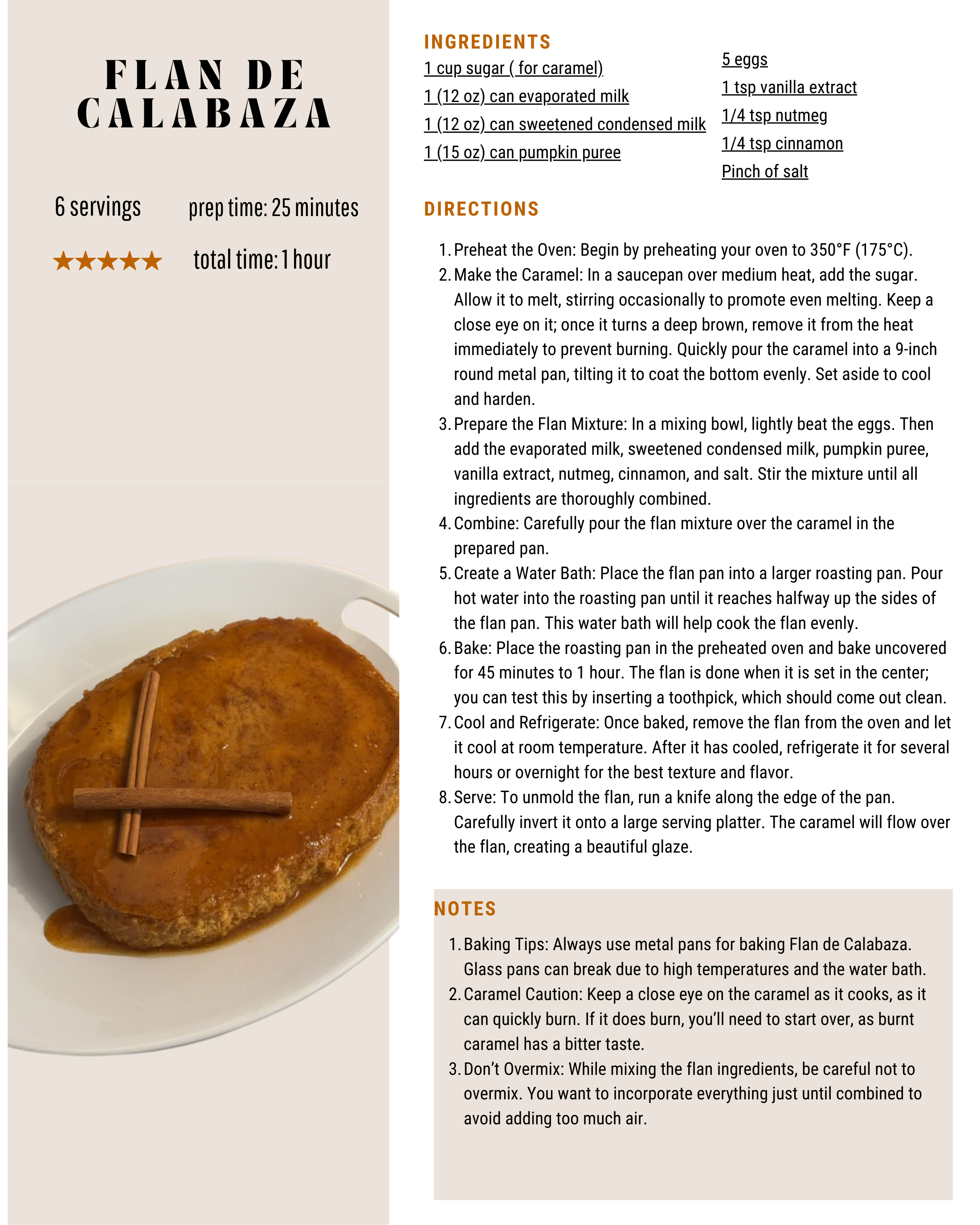
- In a heavy-bottomed saucepan, add 1 cup of granulated sugar and 1/4 cup of water. Stir gently just to combine.
- Place the saucepan over medium heat. Do NOT stir it from this point on. Let the sugar dissolve and come to a boil. You can gently swirl the pan occasionally to ensure even cooking.
- Continue to cook, watching it carefully, as it turns from clear to a light straw color, then to a beautiful deep amber. This can take 5-10 minutes. The moment it reaches a rich amber color (like honey or iced tea), remove it from the heat immediately. It can go from perfect to burnt in seconds.
- Quickly and carefully pour the hot caramel into your 8-inch round cake pan or flan mold. Immediately tilt and swirl the pan to coat the entire bottom and about an inch up the sides. The caramel will harden almost instantly. Set this aside.
Step 2: Make the Custard
- Preheat your oven to 350°F (175°C).
- In a blender, combine the 15 oz can of pumpkin puree, 12 oz can of evaporated milk, 14 oz can of sweetened condensed milk, 5 large eggs, 1 tsp of vanilla extract, 1/4 tsp of cinnamon, 1/4 tsp of nutmeg, and a pinch of salt.
- Blend on high for about 1 minute, or until the mixture is completely smooth and homogenous. Scrape down the sides of the blender once to ensure everything is incorporated.
- For an extra-silky texture, pour the custard mixture through a fine-mesh sieve directly into the caramel-coated pan. This will catch any small bits of egg or unblended spices.
Step 3: Bake in a Water Bath (Baño María)
- Place your filled flan pan inside a larger roasting pan.
- Carefully pour hot water (from a kettle is easiest) into the larger roasting pan until it comes about halfway up the sides of the flan pan. This water bath is crucial for gentle, even cooking and prevents the custard from curdling or cracking.
- Carefully transfer the pans to the preheated oven. Bake for 60-75 minutes. The flan is done when the edges are set, but the center still has a slight jiggle (like Jell-O). A knife inserted near the center should come out mostly clean.
Step 4: Cool and Chill
- Carefully remove the roasting pan from the oven. Let the flan pan cool in the water bath for about 1 hour.
- Once cool enough to handle, remove the flan pan from the water bath, cover it with plastic wrap, and refrigerate for at least 6 hours, but preferably overnight. This chilling step is non-negotiable; it allows the custard to set completely.
Step 5: Unmold and Serve
- To unmold, run a thin knife around the edge of the flan to loosen it from the pan.
- Place a large serving platter with a rim (to catch the caramel sauce) on top of the pan.
- In one swift, confident motion, flip the pan and platter together. You should hear a gentle ‘plop’ as the flan releases. Lift the pan away, and voilà! The flan will be covered in a gorgeous caramel sauce.
Mastering the Caramel: Tips for Flawless Flan
The caramel is arguably the soul of the flan. It provides the signature look and the complex flavor that balances the sweet custard. However, it’s also the part where many people run into trouble. Let’s break down how to get it right every time.
### The Wet vs. Dry Caramel Debate
There are two primary methods for making caramel: wet (with water) and dry (just sugar). We use the wet method in our recipe because it gives you more control and is less prone to burning, making it ideal for beginners. The water dissolves the sugar first, helping it cook more evenly. A dry caramel can be faster, but it requires constant attention and can crystallize easily if you’re not careful.
### Tips and Tricks for Perfect Caramel
- Use a Heavy-Bottomed Pot: A thick, heavy pot will distribute heat more evenly, preventing hot spots that can scorch the sugar.
- Don’t Stir! This is the golden rule. Once the sugar and water mixture starts to boil, stirring encourages crystallization, which will ruin your caramel. If you need to mix, gently swirl the entire pan.
- Watch for Color Cues: Don’t walk away! The caramelization process happens quickly at the end. You’re looking for a color similar to a copper penny or deep amber. If it gets too dark (like coffee), it will taste bitter and burnt. If it’s too light (pale yellow), it will be overly sweet and lack complexity.
- Be Prepared: Have your flan mold ready and waiting right next to the stove. The moment the caramel is done, you need to pour it immediately before it starts to harden in the pot.
- Safety First: Molten sugar is extremely hot (over 320°F / 160°C) and can cause severe burns. Be very careful when pouring it into the mold. Keep a bowl of ice water nearby in case of accidental contact.
### Troubleshooting Common Caramel Problems
- Problem: My sugar crystallized and became a solid chunk.
- Cause: This usually happens from stirring after the mixture has boiled or from sugar crystals on the side of the pan falling back in.
- Solution: You can try adding a bit more water to dissolve the chunks and start again. To prevent it, you can use a wet pastry brush to wash down any sugar crystals from the sides of the pan as it cooks.
- Problem: My caramel hardened into a rock in the pan and won’t melt in the fridge.
- Cause: The caramel was likely cooked for too long, reaching the ‘hard crack’ stage.
- Solution: Don’t worry! When you unmold the flan, some caramel might stick to the pan. Simply add a few tablespoons of water to the pan and gently heat it on the stove. The hard caramel will dissolve into a syrup that you can pour over the flan.
- Problem: Cleaning the pot is impossible!
- Solution: This is the easiest fix of all. Just fill the hardened caramel pot with water and put it back on the stove. Bring it to a boil, and the caramel will melt away completely. Your pot will be clean in minutes.
Creative Serving and Storage Solutions
You’ve baked and chilled your beautiful Flan de Calabaza. Now comes the fun part: presenting and enjoying it! While it’s absolutely stunning on its own, a few simple additions can elevate it even further.
### Serving Suggestions
- Classic Simplicity: Let the flan be the star. Serve a simple slice on a plate, making sure to spoon plenty of the extra caramel sauce over the top. This is the traditional and most common way to enjoy it.
- A Touch of Cream: A dollop of lightly sweetened whipped cream or a drizzle of crème fraîche can provide a lovely contrast in texture and a tangy counterpoint to the sweet custard.
- Spice it Up: For an extra layer of autumnal flavor, dust the plate with a tiny bit of cinnamon or grate some fresh nutmeg over the top just before serving.
- Add Some Crunch: Toasted pecans, walnuts, or even candied pepitas (pumpkin seeds) sprinkled on top can add a wonderful textural contrast to the smooth flan.
- Fruit Pairing: While not traditional, a side of poached pears or a few fresh berries can add a touch of brightness and acidity that cuts through the richness of the dessert.
### Storing Your Flan
Flan is an excellent make-ahead dessert, and proper storage is key to keeping it perfect.
- Refrigeration is a Must: Flan must be kept in the refrigerator. After its initial overnight chilling, keep it covered with plastic wrap or in an airtight container.
- How Long Does it Last? It will stay fresh and delicious for up to 5 days in the refrigerator. In fact, some people argue the flavor is even better on day two or three.
- To Freeze or Not to Freeze? I strongly advise against freezing flan. The freezing and thawing process will ruin the delicate, silky texture of the custard, often causing it to become watery and grainy.
- Storing Before Unmolding: If you’re making it ahead for a party, it’s best to store it in its baking pan in the fridge. Unmold it just before you plan to serve it for the best presentation. The caramel sauce will be perfectly contained until the grand reveal.
To make your baking station truly shine, consider a simple but impactful upgrade. A weekend project like installing a DIY peel and stick backsplash can completely change the look and feel of your kitchen, making your holiday prep even more enjoyable.
Frequently Asked Questions
Can I use fresh pumpkin instead of canned puree?
Yes, you can, but it requires extra steps. You’ll need to roast a small pie pumpkin until tender, then scoop out the flesh and puree it until it’s completely smooth. It’s crucial to strain the puree or even press it through a cheesecloth to remove excess water, as fresh pumpkin has a higher water content than canned, which can affect the flan’s final texture.
Why did my flan turn out rubbery or have a curdled, scrambled egg texture?
This is almost always due to the oven temperature being too high or not using a proper water bath (baño maría). The water bath insulates the custard, allowing it to cook gently and evenly. Without it, the eggs cook too quickly and scramble, resulting in a curdled texture. Always use a water bath and check your oven’s true temperature with an oven thermometer.
My caramel hardened instantly in the pan. What did I do wrong?
You did nothing wrong! That’s exactly what it’s supposed to do. Hot, molten caramel will solidify as soon as it hits the cooler surface of the pan. Don’t worry. As the flan bakes and then chills in the refrigerator, the moisture from the custard will slowly dissolve the hardened caramel, turning it back into the liquid sauce you see when you unmold it.
Can I make this recipe dairy-free?
Yes, you can make substitutions for a dairy-free version. Replace the evaporated milk with full-fat canned coconut milk and the sweetened condensed milk with sweetened condensed coconut milk or oat milk. The flavor profile will change slightly, adding a coconut note, but the texture should remain similarly rich and creamy.
People Also Ask
What is the difference between pumpkin flan and pumpkin pie?
The main differences are the crust and the texture. Pumpkin pie has a pastry crust and a filling that is typically denser and more spiced. Pumpkin flan has no crust; it’s a baked custard that is inverted onto a plate, revealing a layer of caramel sauce on top. The texture of flan is much smoother, silkier, and more delicate than that of a pie.
How do you know when pumpkin flan is done baking?
The flan is ready when the edges are set and firm, but the center still has a slight jiggle, similar to Jell-O, when you gently shake the pan. If the center is completely liquid, it needs more time. If there’s no jiggle at all, it may be overcooked. You can also insert a thin knife about an inch from the center; it should come out mostly clean.
Why is it important to cook flan in a water bath?
The water bath, or ‘baño maría,’ is essential for creating a gentle, humid, and even heat environment in the oven. This prevents the egg-based custard from cooking too quickly, which would cause it to curdle, crack, or become rubbery. The water bath ensures the flan achieves its signature silky-smooth, delicate texture.
What does pumpkin flan taste like?
Pumpkin flan tastes like a luxurious, creamy custard with the warm, comforting flavors of pumpkin and holiday spices like cinnamon and nutmeg. This is all balanced by a rich caramel sauce that has a deep, slightly bittersweet flavor, which cuts through the sweetness of the custard for a perfectly balanced and sophisticated dessert.
Conclusion
Flan de Calabaza is so much more than a recipe; it’s a celebration in a dish. It’s a chance to slow down during the busy holiday season, to create something beautiful and delicious with your own hands, and to share a piece of cultural heritage with the people you love. The magic of inverting the pan to reveal that perfect, glossy, caramel-topped dessert is a moment of pure joy. I hope this guide has demystified the process and inspired you to make this incredible flan a new tradition in your own home. What holiday food traditions do you cherish in your family? Share them in the comments below—I’d love to hear them!
Nutrition Information (Per Serving)
- Calories: 165
- Total Fat: 5g
- Saturated Fat: 3g
- Cholesterol: 89mg
- Sodium: 90mg
- Carbohydrates: 24g
- Fiber: 1g
- Sugar: 23g
- Protein: 6g
Storing and Serving Flan de Calabaza
Flan de Calabaza can be stored in the refrigerator for up to five days, making it an excellent make-ahead dessert for holiday gatherings. When serving, allow it to sit at room temperature for about 15 minutes before slicing. This will help soften the flan, making it easier to cut and serve.
Final Thoughts
Flan de Calabaza is more than just a delicious dessert; it’s a way to celebrate the holidays, connect with your family’s heritage, and introduce your children to the wonderful world of flavors. As you gather around the table this season, consider adding this traditional Puerto Rican flan to your dessert lineup. Not only will it be a hit with family and friends, but it will also create lasting memories and traditions for years to come.
So gather your ingredients, roll up your sleeves, and get ready to impress everyone at your next holiday gathering! Enjoy the process of making this delightful dessert and the joy it brings to your celebrations. Happy holidays!
Related Posts from DIYDalia’s Blog:
Crafting Spooktacular Delights: Budget-Friendly DIY Halloween Décor
When Should You Start Decorating for Fall? Easy DIY Ideas for an Inviting Autumn Atmosphere
From Garden to Table: Fresh Recipes Using Your Homegrown Ingredients
Fun DIY Art Kits for Kids: How to Keep Your Children Busy, Creative, and Engaged All Day