
From Garden to Gourmet: Your Ultimate Guide to Cooking with Edible Flowers (+ Recipes)
Table of Contents
- Why Cook with Flowers? A Blossoming Trend
- Essential Tools for Your Floral Gastronomy Adventure
- Top 10 Edible Flowers to Grow and Cook With
- Harvesting and Preparing Your Blooms for the Kitchen
- From Garden to Gourmet: Delicious Edible Flower Recipes
- Beyond the Garnish: More Creative Ways to Use Edible Flowers
- Frequently Asked Questions (FAQ)
- People Also Ask
I’ll never forget the first time I decorated a cake with fresh flowers. It was a simple lemon cake for a spring brunch, but when I carefully placed delicate, sugar-dusted violas on the buttercream, it transformed into a work of art. My guests were mesmerized, asking, ‘Are those… real? Can you eat them?’ The answer, a delighted ‘Yes!’, opened up a whole new world of culinary creativity for me, and I’ve been hooked ever since.
Cooking with edible flowers isn’t just a fleeting trend; it’s a centuries-old practice that’s making a huge comeback. With a surge in interest in ‘garden to table’ living and unique culinary experiences, home cooks and professional chefs alike are rediscovering the beauty, flavor, and whimsy that flowers can bring to a dish. From the peppery bite of a nasturtium in a salad to the subtle floral notes of lavender in a shortbread cookie, edible blooms can elevate your cooking in surprising and delicious ways.
But where do you start? The idea of eating flowers can be intimidating. Which ones are safe? How do you grow them? What do they even taste like? Don’t worry, I’m here to demystify the process. This guide will walk you through everything you need to know to confidently bring the beauty of your garden onto your plate. We’ll cover the best and easiest flowers to grow, how to harvest and prepare them safely, and of course, some absolutely stunning recipes to get you started on your floral gastronomy journey.
Essential Tools for Your Floral Gastronomy Adventure
This post contains affiliate links. If you use these links to buy something, we may earn a commission. Thanks.
- Organic Edible Flower Seed Mix – Find on Amazon
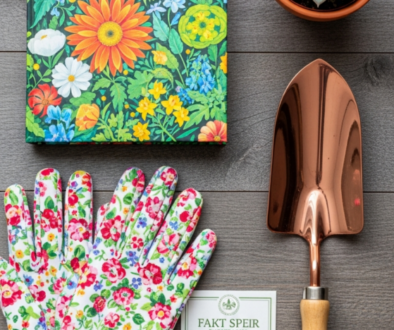
- Gardening Gloves – Find on Amazon
- Small Precision Pruning Shears – Find on Amazon
- Salad Spinner – Find on Amazon
- Fine Mesh Strainer – Find on Amazon
- Silicone Ice Cube Trays – Find on Amazon
- Fine-Tipped Food-Safe Paintbrush (for candying) – Find on Amazon
- Glass Jars for Infusions – Find on Amazon
- Parchment Paper – Find on Amazon
- Mortar and Pestle – Find on Amazon
Money-Saving Tip!
Before you buy, sign up for Rakuten (formerly Ebates) to get cash back on your purchases from many online stores. It’s a free and easy way to save money on your projects! Sign up here!
Another Way to Earn!
Turn basically anything you do into gift cards with Fetch. Earn at stores, restaurants and shopping online. Even playing free games. Download Fetch with my link or use code AVQ9B to get a bonus when you submit your first receipt. Download Fetch here!
Top 10 Edible Flowers to Grow and Cook With
The most important rule of cooking with flowers is safety first. Only eat flowers you are 100% certain are edible and have been grown organically, without pesticides. Never eat flowers from a florist, nursery, or roadside, as they are often treated with chemicals. The best way to ensure a safe and fresh supply is to grow your own! If you’re new to gardening, don’t worry. Many of these beauties are surprisingly easy to cultivate. For a complete beginner’s walkthrough, check out The Essential Guide to Gardening: Start Your Garden from Scratch and Watch It Flourish.
Here are ten delicious, beautiful, and beginner-friendly edible flowers to get you started:
- Nasturtiums: These are the workhorses of the edible flower world. Both the leaves and flowers are edible, with a lovely peppery flavor similar to watercress or arugula. They come in vibrant shades of yellow, orange, and red. Toss them whole into salads, stuff the blossoms with herbed cheese, or use them to garnish savory dishes.
- Pansies and Violas: With their charming faces and wide array of colors, pansies and violas are perfect for decorating. They have a mild, slightly sweet or grassy flavor. They are famous for being candied to preserve them for cake decorations, frozen into ice cubes for fancy drinks, or scattered over salads and desserts for a pop of color.
- Calendula (Pot Marigold): Don’t confuse this with the common marigold! Calendula petals are edible and have a slightly spicy, peppery taste. Known as ‘poor man’s saffron,’ the golden petals can be used to color rice, soups, and butters. Sprinkle them over salads or stir into egg dishes.
- Lavender: A little goes a long way with lavender. Its strong, perfumed flavor is fantastic in moderation. Use English Lavender for culinary purposes. It’s wonderful infused in simple syrups for cocktails, baked into shortbread, or used to make lavender sugar. You can even add it to a savory herb rub for lamb or chicken.
- Chive Blossoms: If you grow chives, let some of them flower! The beautiful purple globes are a delicious, milder version of the chive itself. Pull the individual florets apart and sprinkle them over salads, baked potatoes, soups, or egg dishes for a delicate oniony kick.
- Squash Blossoms: A true delicacy. These large, yellow flowers from zucchini or other summer squash have a very mild squash flavor and a soft, delicate texture. They are famously stuffed with ricotta cheese and herbs, then fried or baked. They’re also delicious simply sautéed or added to quesadillas.
- Borage: These star-shaped blue flowers are a must-have. They have a refreshing, crisp flavor that tastes remarkably like cucumber. They are the traditional garnish for a Pimm’s Cup cocktail, but are also wonderful in salads, lemonade, or frozen into ice cubes.
- Roses: The flavor of a rose depends on the variety, but it’s generally sweet and floral. All roses are edible, but darker petals tend to have a stronger flavor. Use the petals (after removing the bitter white base) to make rose water, jam, infused honey, or simply sprinkle them over desserts and salads. They look particularly stunning on wedding cakes.
- Violets: These sweet, fragrant little flowers are a springtime delight. They have a sweet, floral flavor perfect for desserts. They can be candied, used to make violet syrup, or scattered fresh over cakes, sorbets, and salads.
- Chamomile: Known for its calming tea, German Chamomile flowers have a sweet, apple-like flavor. Use the fresh or dried flower heads to brew tea, infuse syrups, or even add a subtle flavor to baked goods like scones and muffins.

Harvesting and Preparing Your Blooms for the Kitchen
Once your garden is in bloom, it’s time for the fun part! Proper harvesting and preparation are key to getting the best flavor and appearance from your edible flowers.
Tips and Tricks for Harvesting
- Timing is Everything: Harvest your flowers in the morning, after the dew has dried but before the sun gets too hot. This is when their water content and flavor are at their peak.
- Choose Wisely: Select flowers that are freshly opened and at their best. Avoid wilted, faded, or unopened buds (unless the recipe specifically calls for them, like with capers).
- Gentle Snip: Use a pair of small precision pruning shears or scissors to snip the flowers. For some, like violets, you can simply pinch them off with your fingers.
- Collect with Care: Place your harvested blooms in a basket or container in a single layer if possible to avoid crushing them.

Step-by-Step Preparation Guide
- Shake it Out: Gently shake each flower upside down to dislodge any dirt or tiny insects that might be hiding inside.
- Rinse (Only if Necessary): The best-case scenario is to use unwashed flowers from a clean, organic garden. Washing can bruise delicate petals and wash away flavor. If you must wash them, give them a very brief, gentle dip in a bowl of cold water and immediately place them on paper towels to dry. A salad spinner lined with paper towels can work wonders for this.
- Deconstruct Your Flower: For many flowers, you only want to eat the petals. Remove and discard the pistils, stamens, and the calyx (the green part at the base of the flower), as they can be bitter. For flowers like roses and carnations, you should also snip off the white part at the base of the petal, which is often bitter.
- Storage: Use your flowers as soon as possible for the best results. If you need to store them, place them on a damp paper towel inside an airtight container in the refrigerator. Most will last for a few days this way.

From Garden to Gourmet: Delicious Edible Flower Recipes
Ready to start cooking? These recipes are designed to showcase the unique flavors and beauty of edible flowers. They’re a fantastic way to begin your journey and are sure to impress your family and friends. This is the heart of the ‘From Garden to Table: Fresh Recipes Using Your Homegrown Ingredients‘ philosophy!
Recipe 1: Candied Violas or Pansies
Candied flowers are a timeless way to preserve the beauty of your blooms. They look stunning on cakes, cupcakes, and cookies and will last for months if stored properly.
Ingredients:
- Fresh, dry violas or pansies
- 1 large egg white, lightly beaten, or 1/4 cup aquafaba (chickpea liquid) for a vegan version
- 1/2 cup superfine sugar (caster sugar)
- A fine-tipped food-safe paintbrush
Instructions:
- Holding a flower with tweezers or by its stem, use the paintbrush to apply a very thin, even layer of egg white or aquafaba to the entire surface of the petals, front and back.
- Gently hold the flower over a bowl and sprinkle thoroughly with superfine sugar until it’s completely coated.
- Carefully shake off any excess sugar.
- Place the coated flower on a sheet of parchment paper to dry.
- Let the flowers air-dry for 12-36 hours in a warm, dry place until they are completely stiff and brittle. Store in an airtight container at room temperature.

Recipe 2: Garden Party Salad with Nasturtium Vinaigrette
This salad is the epitome of spring and summer. It’s a riot of color, texture, and flavor.
Ingredients:
- For the Salad:
- 5 oz mixed greens (arugula, spinach, lettuce)
- 1 cup fresh berries (strawberries, raspberries)
- 1/4 cup crumbled goat cheese or feta
- 1/4 cup toasted nuts (walnuts or pecans)
- A generous handful of mixed edible flowers (nasturtiums, borage, calendula petals, chive blossoms)
- For the Nasturtium Vinaigrette:
- 5-6 nasturtium leaves and 2-3 flowers
- 1/4 cup olive oil
- 2 tbsp white wine vinegar
- 1 tsp Dijon mustard
- 1/2 tsp honey or maple syrup
- Salt and pepper to taste
Instructions:
- Make the vinaigrette: In a small blender or food processor, combine all vinaigrette ingredients. Blend until smooth. The dressing will have a beautiful green tint and a peppery kick.
- Assemble the salad: In a large bowl, gently toss the mixed greens with half of the vinaigrette.
- Arrange the greens on a platter. Top with berries, cheese, and nuts.
- Garnish generously with the fresh edible flowers. Drizzle with the remaining vinaigrette just before serving.
Recipe 3: Lavender & Lemon Shortbread Cookies
This is an elegant and fragrant cookie that pairs perfectly with a cup of tea. The key is to be subtle with the lavender.
Ingredients:
- 1 cup unsalted butter, softened
- 1/2 cup powdered sugar
- 1 tsp dried culinary lavender buds
- 1 tbsp fresh lemon zest
- 1/2 tsp vanilla extract
- 2 cups all-purpose flour
- 1/4 tsp salt
Instructions:
- In a small bowl, rub the lavender buds and lemon zest into the powdered sugar with your fingertips. This releases their essential oils and infuses the sugar with flavor.
- In a larger bowl, cream the softened butter and the infused sugar together until light and fluffy.
- Beat in the vanilla extract.
- In a separate bowl, whisk together the flour and salt. Gradually add the dry ingredients to the butter mixture, mixing on low speed until just combined. Do not overmix.
- Form the dough into a log, wrap it in plastic wrap, and chill for at least 1 hour.
- Preheat your oven to 325°F (160°C). Slice the chilled dough into 1/4-inch thick rounds and place them on a parchment-lined baking sheet.
- Bake for 12-15 minutes, or until the edges are lightly golden. Let cool on the baking sheet for a few minutes before transferring to a wire rack to cool completely.
Beyond the Garnish: More Creative Ways to Use Edible Flowers
Don’t just stop at salads and cakes! Edible flowers are incredibly versatile. Once you start thinking of them as a true ingredient, a world of possibilities opens up. Considering how different plants can support each other is key in the garden, a concept explored in our guide to Plant Friendships: The Ultimate Guide to Companion Planting, and the same synergy can be found in the kitchen!
Pros and Cons of Cooking with Flowers
- Pros:
- Visual Appeal: They add unparalleled beauty and elegance to any dish.
- Unique Flavors: They can introduce subtle, complex, and unique flavors, from peppery to sweet to citrusy.
- Nutritional Value: Many flowers contain vitamins and antioxidants.
- Conversation Starter: A dish with edible flowers is always a memorable talking point.
- Cons:
- Fragility: They are very delicate and have a short shelf life.
- Safety Concerns: You must be 100% certain of your identification and sourcing to avoid poisonous look-alikes.
- Strong Flavors: Some flowers, like lavender, can be overpowering if not used sparingly.
Here are some more creative ideas to get your imagination blooming:
- Floral Ice Cubes: This is one of the easiest and most effective ways to use edible flowers. Place small blooms like violas, borage, or mint flowers in an ice cube tray (a silicone tray works best for clarity and easy removal). Fill the tray halfway with water and freeze. Once frozen, top it off with more water and freeze again. This two-step process ensures the flower stays suspended in the middle. Perfect for lemonade, iced tea, or cocktails.
- Herbed & Floral Compound Butter: Soften a stick of unsalted butter. Finely chop a mix of fresh herbs (like parsley and chives) and delicate flower petals (like chive blossoms, calendula, or borage). Mix them into the butter with a pinch of salt. Roll the butter into a log using parchment paper and chill. Slice off rounds to melt over grilled fish, steak, vegetables, or spread on warm bread.
- Infused Vinegars and Oils: Fill a clean glass jar with delicate flowers like elderflower, violet, or chive blossoms. Top with white wine vinegar or a light olive oil. Let it infuse in a cool, dark place for 1-2 weeks, shaking the jar every few days. Strain out the flowers and use the infused vinegar or oil in salad dressings.
- Floral Simple Syrups: In a saucepan, combine one part sugar and one part water. Heat until the sugar dissolves. Remove from heat and add a generous handful of flavorful flowers like lavender, rose petals, or elderflower. Let it steep for at least 30 minutes, then strain through a fine mesh strainer. Use this syrup in cocktails, lemonade, or to drizzle over yogurt or fruit.

Frequently Asked Questions (FAQ)
Are all parts of an edible flower safe to eat?
Not always. For most flowers, the petals are the most palatable part. It’s generally best to remove the pistils, stamens, and the green calyx at the base, as they can be bitter or tough. Always research the specific flower you are using.
Where can I buy edible flowers if I can’t grow them?
Many upscale grocery stores now carry packaged edible flowers in the produce section, often near the fresh herbs. You can also find them at farmers’ markets or order them from specialty online retailers that guarantee they are food-grade and pesticide-free.
How do I know for sure if a flower is safe to eat?
The golden rule is: when in doubt, leave it out. Only consume flowers that you can positively identify as edible from a reliable source. Use a good reference book or trusted website. Also, introduce new flowers to your diet in small quantities to see how you react, especially if you have allergies.
Can I use flowers from a florist or nursery?
Absolutely not. Flowers from florists, nurseries, or garden centers are almost always treated with systemic pesticides and fungicides that are not safe for consumption. You must use flowers specifically grown for culinary purposes.
People Also Ask
What do edible flowers taste like?
The flavors vary widely! Nasturtiums are peppery like arugula, borage tastes like cucumber, lavender is perfumed and floral, and pansies are mild and slightly grassy. Part of the fun is discovering the unique taste of each bloom.
Which common flowers are poisonous?
Many common garden flowers are toxic and should never be eaten. These include, but are not limited to, daffodils, hydrangeas, foxglove, lily of the valley, oleander, and sweet peas (the flowering, not edible pea). Always be 100% certain of your flower’s identity.
How long do fresh edible flowers last?
Fresh edible flowers are very delicate. When stored properly in an airtight container on a damp paper towel in the refrigerator, they can last for 2 to 7 days, depending on the type of flower. It’s always best to use them as soon as possible after harvesting.
Can you eat dandelions?
Yes, all parts of the dandelion are edible! The yellow petals can be used to make wine or sprinkled on salads, the leaves can be eaten raw in salads (young leaves are best) or cooked like spinach, and the root can be roasted to make a coffee substitute.