Harvesting 101 & Seasonal Planting Guide: Pick Perfect Veggies Every Time
Table of Contents
- Introduction: The Gardener’s Dilemma
- Essential Tools for Planting & Harvesting
- Spring: The Season of New Beginnings
- Summer: The Bounty of the Sun
- Autumn: The Cozy Harvest
- Winter: The Patient Gardener’s Reward
- Frequently Asked Questions (FAQ)
- People Also Ask
I’ll never forget the first tomato I ever grew. I watched it for weeks, a tiny green orb that slowly swelled and blushed with the faintest hint of orange. I was impatient, convinced that this was it—the moment of triumph. I plucked it from the vine, ran inside, sliced it open, and took a bite. It was… disappointing. Mealy, acidic, and a pale shadow of the juicy, sun-ripened tomatoes I dreamed of. That single, sour bite taught me a crucial lesson: growing vegetables is only half the battle. Knowing *when* to harvest is the true key to unlocking the incredible flavors of a home garden.
This experience is all too common for new gardeners. We pour our hearts into nurturing our plants from seed to sprout, but when it comes to the final step, we’re often left guessing. Do you pick by size? By color? By the calendar? The answer, of course, is a little bit of everything. Harvesting is an art form, a conversation between you and your plants, and learning their language is one of the most rewarding parts of gardening.
In this ultimate guide, we’re going to demystify the entire process. We’ll walk you through the four seasons, detailing not only what to plant for a continuous harvest but also the specific signs and signals your vegetables will give you when they are at their absolute peak of perfection. From the crisp lettuce of spring to the sweet root vegetables of winter, you’ll learn the visual, tactile, and timing cues for dozens of popular crops. Get ready to say goodbye to disappointing harvests and hello to a garden that truly delivers, season after season.
Essential Tools for Planting & Harvesting
This post contains affiliate links. If you use these links to buy something, we may earn a commission. Thanks.
- Bypass Pruning Shears – Find on Amazon
- Harvesting Knife (Hori Hori) – Find on Amazon
- Gardening Gloves – Find on Amazon
- Garden Trowel – Find on Amazon
- Digging Fork – Find on Amazon
- Harvest Basket or Trug – Find on Amazon
- Vegetable Brush – Find on Amazon
- 3-in-1 Soil Meter (Moisture/Light/pH) – Find on Amazon
- Kneeling Pad – Find on Amazon
- Watering Can – Find on Amazon
Money-Saving Tip!
Before you buy, sign up for Rakuten (formerly Ebates) to get cash back on your purchases from many online stores. It’s a free and easy way to save money on your projects! Sign up here!
Another Way to Earn!
Turn basically anything you do into gift cards with Fetch. Earn at stores, restaurants and shopping online. Even playing free games. Download Fetch with my link or use code AVQ9B to get a bonus when you submit your first receipt. Download Fetch here!
Spring: The Season of New Beginnings
Spring is a time of explosive growth and tender greens. After a long winter, the garden comes alive with cool-weather crops that thrive in the mild temperatures. This is the season for salads, stir-fries, and the satisfying crunch of fresh-picked vegetables. If you’re just starting out, our Essential Guide to Gardening is the perfect place to begin your journey.
What to Plant in Spring
- Lettuce (Leaf & Head): Plant seeds as soon as the soil can be worked. They appreciate cool soil and consistent moisture.
- Spinach: Similar to lettuce, spinach loves the cold. Plant in early spring for a quick crop before the summer heat arrives.
- Radishes: The speed demons of the garden! Sow seeds directly in the ground for a harvest in as little as three weeks.
- Peas (Snap & Snow): Plant these early and provide a trellis for them to climb. They sweeten with a touch of frost.
- Carrots: Sow seeds in loose, rock-free soil. They can be slow to germinate, so be patient.
- Broccoli: Start seeds indoors 6-8 weeks before the last frost date and transplant them into the garden.
Spring Harvesting Guide
Lettuce
- Leaf Lettuce: Use the ‘cut-and-come-again’ method. Once outer leaves are 4-6 inches long, snip them off with pruning shears about an inch from the base. This allows the central part of the plant to continue producing new leaves for several weeks.
- Head Lettuce (like Romaine or Butterhead): Wait until a firm, full head has formed. The base should feel solid when gently squeezed. Harvest the whole head by cutting the plant at the soil line with a sharp knife.
Radishes
- The Tell-Tale Shoulder: The most reliable sign is the ‘shoulder’ of the radish peeking out of the soil. Gently brush away some dirt at the base of the leaves. If the top of the root is about one inch in diameter, it’s ready. Don’t wait too long, or they can become woody and spicy.
Peas (Snap & Snow)
- Snow Peas: Harvest when the pods are still flat, and the tiny peas inside are just barely visible as small bumps. They should be crisp and tender.
- Snap Peas: Wait for the pods to become plump and rounded. The perfect snap pea will ‘snap’ cleanly when bent. If the pod looks dull or the seam is starting to turn white, they are becoming over-mature.
Carrots
- Size & Color: Like radishes, check the shoulder diameter. Most varieties are ready when the top is about 1/2 to 1 inch across. The color should be a vibrant orange (or purple, or yellow, depending on the variety). If the green tops are lush and about 8-10 inches tall, it’s a good time to check one as a test.

Summer: The Bounty of the Sun
Summer is the season of abundance. The long, sunny days fuel the growth of some of the most popular garden vegetables. This is when your garden really hits its stride, producing so much you’ll be looking for new recipes and preservation methods. To make the most of your harvest, it’s a great idea to learn about Plant Friendships: The Ultimate Guide to Companion Planting to maximize your garden’s health and yield.
What to Plant for Summer
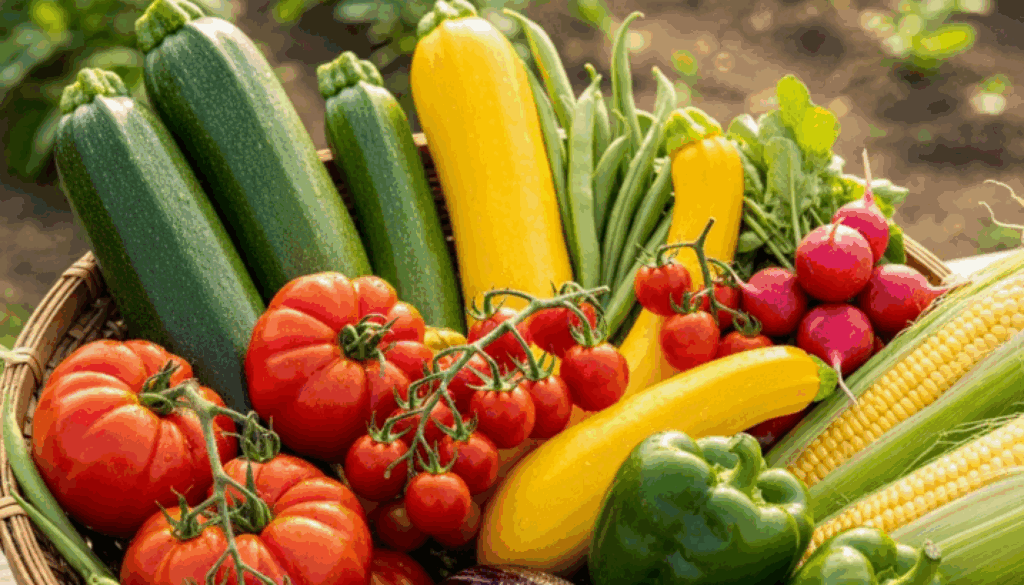
- Tomatoes: The quintessential summer vegetable. Start seeds indoors and transplant them out after all danger of frost has passed.
- Zucchini & Summer Squash: Prolific producers! Plant seeds directly in the garden once the soil is warm. Give them plenty of space.
- Cucumbers: These love to climb, so provide a trellis. Plant in warm soil and keep them well-watered.
- Peppers (Bell & Hot): Peppers love heat. Start them indoors and transplant them into a sunny, warm spot in the garden.
- Green Beans (Bush & Pole): Sow seeds directly every few weeks for a continuous harvest throughout the summer.
- Corn: Plant in a block of at least 4×4 rows for good pollination.
Summer Harvesting Guide
Tomatoes
- The Ultimate Test: Color is your first clue, but not the only one. A ripe tomato will be fully colored (deep red, vibrant yellow, etc.) and feel firm but have a slight give when gently squeezed. It should also detach from the vine with a gentle twist. The aroma is another key indicator—a ripe tomato will have a rich, sweet, earthy smell at the stem end.
Zucchini & Summer Squash
- Pick Small & Often: This is the golden rule. Do not wait for them to become giant baseball bats! For the best flavor and texture, harvest zucchini when they are 6-8 inches long. Yellow summer squash is best at a similar size. The skin should be glossy and tender enough to be easily pierced with a fingernail. Harvesting frequently encourages the plant to produce more.
Cucumbers
- Size and Shape: Harvest cucumbers when they are uniformly green, firm, and have reached the size typical for their variety (check your seed packet). Don’t let them turn yellow, as this means they are overripe and will be bitter with tough seeds. A good harvesting knife is perfect for cutting the stem cleanly.
Green Beans
- The Snap Test: Just like snap peas, the best test for a green bean is the ‘snap’. It should be firm, crisp, and break cleanly. If it’s limp or rubbery, it’s not ready. If the beans inside are bulging significantly, it’s likely past its prime and will be tough.
Corn
- Silks and Juice: Look for the silks at the top of the ear to be dry and brown. The ear itself should feel plump and full. To be certain, peel back a small section of the husk and pierce a kernel with your fingernail. If a milky white juice squirts out, it’s perfect. If the juice is clear, it’s not ready. If it’s thick and starchy, you’ve waited too long.
Autumn: The Cozy Harvest
As the days grow shorter and cooler, the garden shifts its focus from fruiting vegetables to hearty roots and robust greens. Autumn is the time for comforting, flavorful vegetables that store well for the winter months. A light frost can even improve the flavor of many of these crops, converting starches to sugars. Once you’ve brought in your bounty, check out our guide on Preserving Your Garden Vegetables to enjoy the taste of your garden all winter long.
What to Plant for Autumn
- Kale & Collards: These brassicas are incredibly cold-hardy and taste sweeter after a frost.
- Winter Squash (Butternut, Acorn, etc.): Plant these in early summer for a fall harvest. They need a long growing season.
- Pumpkins: Another long-season crop to plant in early summer. A garden classic!
- Leeks: Plant in spring and let them grow all summer long for a fall and winter harvest.
- Brussels Sprouts: These require a long, cool growing season. The little sprouts form along a tall stalk.
- Turnips & Rutabagas: Sow these root vegetables in late summer for a fall harvest.
Autumn Harvesting Guide
Winter Squash & Pumpkins
- The Rind Test: The most important indicator is a hard, tough rind. Press your fingernail into the skin. If it easily pierces the skin, it’s not ready. If your nail can’t break the surface, it’s mature.
- Color and Stem: The squash should be fully and deeply colored. The tendril on the vine closest to the squash stem will also be dried up and withered. When harvesting, leave at least 2-3 inches of stem attached; this ‘handle’ is crucial for long-term storage and prevents rot.
Kale & Collard Greens
- Flavor After Frost: While you can harvest leaves at any time once they reach a usable size (about the size of your hand), the flavor of kale and collards improves dramatically after they’ve been exposed to a light frost. Harvest the lower, outer leaves first, allowing the center of the plant to continue growing.
Leeks
- Diameter Matters: Leeks are ready when their white shaft is about 1 to 1.5 inches in diameter. You can harvest them as needed throughout the fall and even into winter. Use a digging fork to gently loosen the soil around them before pulling to avoid snapping the stalk.
Brussels Sprouts
- Bottoms Up: The sprouts mature from the bottom of the stalk upwards. Start harvesting the lower sprouts when they are firm, green, and about 1-2 inches in diameter. Simply twist them off the stalk. Many gardeners remove the lower leaves as they harvest to direct more energy to the remaining sprouts.
Winter: The Patient Gardener’s Reward
While many gardens lay dormant, a winter garden offers unique and flavorful rewards, especially in milder climates. Many of the late-autumn crops can be ‘stored’ in the ground and harvested as needed, often protected by a layer of mulch or a cold frame. The intense cold concentrates the sugars in these vegetables, making them exceptionally sweet. This is the perfect time to plan next year’s garden and dream up all the delicious meals you’ll make. Get inspired with some ideas from our From Garden to Table: Fresh Recipes article.
What to Harvest in Winter (from Fall Plantings)
- Parsnips: These are the kings of the winter garden. They require a long growing season and are best harvested *after* several hard frosts. The cold is essential for developing their sweet, nutty flavor. Loosen the soil deeply with a digging fork before pulling.
- Garlic: Planted in the fall, garlic overwinters and is one of the first things to sprout in spring. The actual harvest is in early to mid-summer, but winter is its crucial dormant growth period.
- Overwintered Kale & Brussels Sprouts: In many zones, these tough plants will continue to produce right through the winter, providing fresh greens when little else is available.
- Perennial Herbs (Rosemary, Thyme, Sage): These woody herbs can often be harvested year-round, even in the snow. Just snip off what you need.
Tips for Winter Gardening
- Mulch Heavily: A thick layer of straw or shredded leaves (6-12 inches) can insulate the ground, protecting root crops from freezing solid and making them easier to dig up.
- Use Cold Frames or Tunnels: These simple structures can create a microclimate that allows you to grow hardy greens like spinach and mache even in the coldest months.
- Plan Ahead: Winter gardening success starts with fall planting. Choose cold-hardy varieties and get them in the ground with enough time to establish before the first hard frost.
Frequently Asked Questions
What happens if I pick my vegetables too early?
Picking vegetables too early usually results in a lack of flavor and poor texture. For example, an underripe tomato will be acidic and mealy, while an immature squash will be small and less flavorful. They won’t have had enough time to develop their natural sugars and complex compounds.
What happens if I wait too long to harvest?
Overripe vegetables can be just as disappointing. Zucchini can become watery with large seeds, radishes can turn woody and spicy, and cucumbers can become bitter and yellow. For many plants like beans and zucchini, failing to harvest promptly can also signal the plant to stop producing new fruit.
Does the time of day I harvest matter?
Yes, for many vegetables, especially leafy greens and herbs, harvesting in the cool of the early morning is best. This is when the plants are most hydrated and crisp. Harvesting in the heat of the day can lead to wilting and a shorter storage life.
How do I properly wash and store my freshly harvested vegetables?
Gently brush off excess dirt first. For most vegetables, a quick rinse under cool water is sufficient. Avoid soaking them. Storage varies: leafy greens should be dried well and stored in the fridge. Root vegetables should have their green tops removed (they draw moisture from the root) and be stored in a cool, dark place. Tomatoes and squash are best left on the counter, not in the fridge, to preserve their flavor and texture.
People Also Ask
How do you know when a tomato is ready to be picked?
A tomato is ready when it is fully and evenly colored, feels firm with a slight give (not mushy or rock hard), and detaches from the vine with a gentle twist. It should also have a rich, sweet fragrance at the stem end.
What vegetables can I plant in July for a fall harvest?
July is a great time for succession planting for a fall harvest. You can plant fast-maturing crops like beans, beets, carrots, broccoli (transplants), kale, lettuce, spinach, and turnips. Check the ‘days to maturity’ on your seed packet to ensure they have enough time before your first frost.
How can you tell if a carrot is ready to be picked?
The best way is to check the ‘shoulder’ of the carrot at the soil line. Gently brush away the dirt. If the top of the root is about 1/2 to 1 inch in diameter, it’s likely ready. You can always pull one up as a test to see if the size and color are what you expect from the variety.
Should I pick cucumbers when they are big or small?
You should pick cucumbers based on the variety, but generally, it’s better to pick them on the smaller side. Do not let them get overly large or turn yellow. A perfectly ripe cucumber will be firm, uniformly green, and crisp. Frequent picking also encourages the plant to produce more cucumbers.
Conclusion
Mastering the art of the harvest transforms you from someone who simply grows plants into a true gardener. It’s about observation, patience, and learning the subtle cues your garden provides. By understanding the seasonal rhythms of planting and the specific signs of peak ripeness, you ensure that every vegetable you bring to your table is bursting with flavor and nutrition. No more guesswork, no more disappointment—just the pure, delicious satisfaction of a harvest done right. What are your favorite vegetables to grow, and do you have any secret harvesting tips? Share them in the comments below!