How to Start a Succulent Garden: Your Ultimate Beginner’s Guide
Table of Contents
- Why Succulents Are the Perfect Plant for (Almost) Anyone
- Choosing Your Cast of Characters: Picking the Perfect Succulents
- The Foundation of Success: The Perfect Pot and Soil
- The Main Event: Your Step-by-Step Planting Guide
- Keeping Them Happy: A Simple Guide to Succulent Care
- Essential Supplies for Your Succulent Oasis
- Frequently Asked Questions
- People Also Ask
My first foray into houseplants was, to put it mildly, a botanical massacre. I lovingly drowned a fern, scorched a calathea, and somehow turned a supposedly ‘indestructible’ snake plant into a yellow, mushy tragedy. My thumb wasn’t just not-green; it was a bona fide agent of plant death. I was ready to resign myself to a life of plastic foliage when a friend gifted me a small, chubby Echeveria. I was skeptical, but I placed it on my sunniest windowsill and braced for the worst. Weeks turned into months, and not only did it survive, it thrived. It was a revelation. That one small plant unlocked a world of gardening I never thought I could be a part of.
Succulents aren’t just trendy; they’re a gateway to gardening for the plant-cursed, the time-poor, and the small-space dwellers among us. They are living sculptures, offering an incredible diversity of colors, shapes, and textures that can be combined to create stunning miniature landscapes. Their resilience is legendary, but the myth that they are ‘unkillable’ can lead to heartbreak. The truth is, they don’t thrive on neglect—they thrive on the *right kind* of care, which is often less than you think.
If you’ve ever admired a vibrant succulent arrangement and thought, ‘I could never do that,’ this guide is for you. We’re going to demystify the entire process, from selecting your first plants at the nursery to mixing the perfect soil that will make them feel right at home. We’ll walk through the planting process step-by-step and, most importantly, I’ll teach you the watering secret that is the number one key to success. Forget your past plant failures; your journey to becoming a confident succulent gardener starts right now.
Essential Supplies for Your Succulent Oasis
This post contains affiliate links. If you use these links to buy something, we may earn a commission. Thanks.
- Assorted Live Succulents (Pack of 5) – Find on Amazon
- Terracotta Pots with Drainage Holes (Set of 6) – Find on Amazon
- Premium Succulent & Cactus Soil Mix – Find on Amazon
- Horticultural Perlite – Find on Amazon
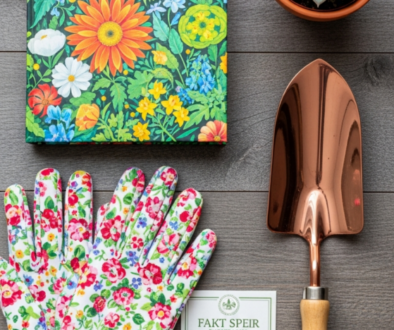
- Gardening Gloves – Find on Amazon
- Mini Gardening Tool Set (Trowel, Shovel, Rake) – Find on Amazon
- Watering Squeeze Bottle with Narrow Spout – Find on Amazon
- Decorative White Pebbles (Top Dressing) – Find on Amazon
Why Succulents Are the Perfect Plant for (Almost) Anyone
Before we get our hands dirty, let’s talk about why these plants are so captivating. Understanding the ‘why’ helps in understanding their care needs. Succulents are a broad group of plants that have evolved to store water in their leaves, stems, or roots, allowing them to survive in arid climates. This single characteristic is what makes them so wonderfully resilient and low-maintenance.
For the busy professional or the forgetful waterer, this is a game-changer. Unlike a dramatic peace lily that faints at the first sign of thirst, a succulent can happily go weeks without water. They embody the ‘less is more’ philosophy. Their water-storing capacity means they are incredibly drought-tolerant, which is the number one reason they’re recommended for beginners. However, this is also their Achilles’ heel—their greatest strength is also their greatest vulnerability. The one thing they cannot tolerate is sitting in wet soil, which quickly leads to root rot.
Beyond their practicality, the aesthetic appeal is undeniable. You have the classic rosette shapes of Echeverias, the trailing ‘String of Pearls’, the architectural ‘Zebra Plant’ (Haworthia), and the hardy ‘Hens and Chicks’ (Sempervivum). This variety allows you to become a miniature landscape artist, designing gardens in pots, bowls, and even teacups. They are perfect for small apartments, office desks, and sunny windowsills where a larger plant might not fit. The satisfaction of watching them grow, produce offsets (babies!), and even flower is immense. They teach a gentle lesson in patience and observation, rewarding you not for constant fussing, but for providing the right conditions and then letting them be.

Choosing Your Cast of Characters: Picking the Perfect Succulents
Walking into the succulent section of a nursery can be both thrilling and overwhelming. To avoid grabbing a random assortment that might not play well together, it’s best to go in with a plan. The most important factor to consider is light.
Light Requirements:
- Full Sun Lovers: Many succulents, especially those with vibrant red, purple, or orange stress colors, need several hours of direct sun to look their best. Think most Echeverias, Sedums, and Graptopetalums. Without enough light, they’ll turn a dull green and stretch out, a process called etiolation.
- Partial Shade/Bright Indirect Light Dwellers: Some succulents prefer bright light but can get scorched by intense, direct afternoon sun. These are often better choices for indoor growing. Haworthias (like the Zebra Plant) and Gasterias are classic examples. They will thrive in a bright room without needing to be directly in the window’s hot seat.
Top Beginner-Friendly Varieties:
- Echeveria: The quintessential rosette-shaped succulent. Comes in countless colors and sizes. Needs lots of light.
- Sempervivum (‘Hens and Chicks’): Extremely hardy and great for outdoor containers. They produce numerous ‘chicks’ around the mother ‘hen’ plant.
- Sedum (Stonecrop): Many varieties are trailing ‘spillers’ perfect for the edge of a pot, like Sedum morganianum (Burro’s Tail).
- Haworthia & Gasteria: These are your indoor superstars. They tolerate lower light conditions better than most and have fascinating patterns and textures.
When you’re at the store, play plant detective. Gently pick up the pot. Look for plump, firm leaves. Avoid plants with mushy, yellowing, or translucent leaves, as this is a sign of overwatering and potential rot. Check for any white fuzzy spots (mealybugs) or fine webbing (spider mites) on the leaves and in the crevices. A healthy plant is the best foundation for a successful garden.

The Foundation of Success: The Perfect Pot and Soil
If you remember one thing from this guide, let it be this: drainage is everything. I learned this the hard way with a beautiful ceramic pot that had no hole in the bottom. I thought I could get away with it by adding a layer of rocks. Spoiler alert: I couldn’t. The plant rotted from the bottom up in a matter of weeks. That ‘drainage layer’ of rocks is a myth; it just creates a swamp in the bottom of your pot.
Choosing the Right Pot:
- Drainage Hole: This is non-negotiable. Your pot MUST have at least one hole in the bottom to allow excess water to escape.
- Material: Terracotta is the gold standard for beginners. It’s porous, meaning it breathes and allows soil to dry out faster, providing a great buffer against overwatering. Glazed ceramic or plastic pots work too, but they hold moisture longer, so you’ll need to be more careful with your watering can.
- Size: Don’t go too big! A pot that’s excessively large for the plant will hold a huge volume of soil that stays wet for too long, risking root rot. A good rule of thumb is to choose a pot that is about 1-2 inches wider in diameter than the plant’s root ball.
The Perfect Soil Mix:
Regular potting soil is the enemy of succulents. It’s designed to retain moisture for thirsty tropical plants. For succulents, it’s a death sentence. You need a soil that is gritty, airy, and drains lightning-fast.
- Option 1: Buy a Pre-Made Mix: The easiest route is to buy a commercial cactus and succulent soil mix. These are specially formulated for good drainage.
- Option 2: Create Your Own Super-Soil: For the best results, I always amend my store-bought mix or make my own. It’s easy! A fantastic DIY recipe is:
- 2 parts potting soil
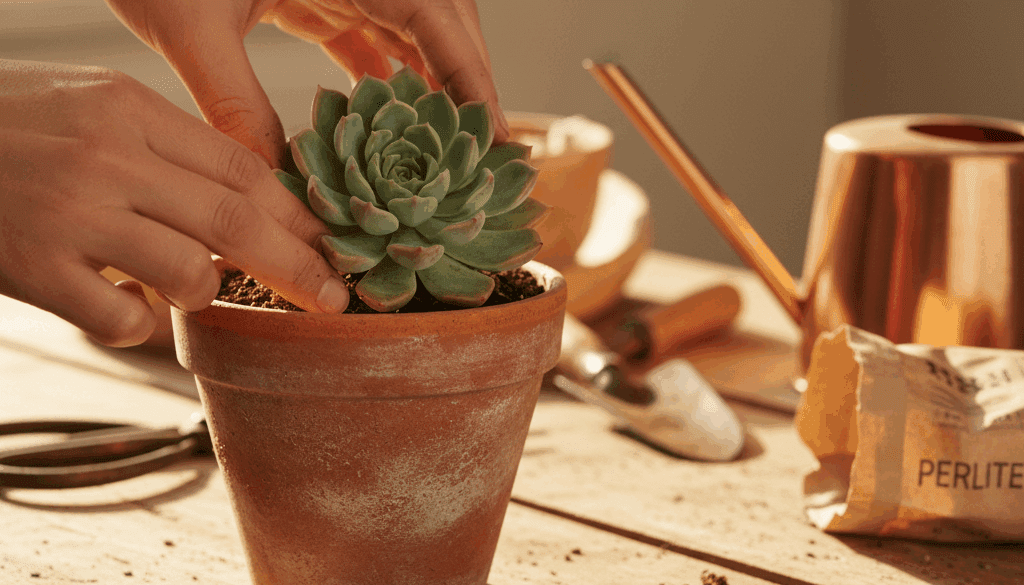
- 1 part perlite or pumice (These are lightweight volcanic rocks that create air pockets and improve drainage)
- 1 part coarse sand or small gravel (Do not use fine play sand, which can compact)
Mix these components together thoroughly. When you squeeze a handful, it should feel light and gritty, and it should crumble apart easily rather than clumping. This is the kind of home your succulents will love.

The Main Event: Your Step-by-Step Planting Guide
This is the fun part where your vision comes to life! Set up a workspace you don’t mind getting a little dirty. Put down some newspaper or do this outside.
Step 1: Prepare Your Pot
If you want, you can place a small piece of mesh screen or a coffee filter over the drainage hole. This isn’t strictly necessary, but it helps prevent soil from washing out the bottom during watering.
Step 2: Add Soil
Fill your pot about two-thirds full with your well-draining succulent soil mix.
Step 3: Unpot Your Plants
Gently squeeze the sides of the nursery pot to loosen the plant. Tip it over into your hand and ease the plant out. Don’t yank it by the stem! Once it’s out, gently crumble away the old, compacted soil from the root ball. It’s okay to be a little rough here; succulents have tough roots. This helps them acclimate to their new soil more quickly.
Step 4: Arrange Your Succulents
This is where your inner artist shines. Start with your largest plant (your ‘thriller’) and place it first, often slightly off-center. Then, add your ‘filler’ plants around it. If you have any trailing ‘spiller’ varieties, place them near the edge of the pot so they can cascade over the side. Don’t be afraid to move them around until you love the composition. Leave a little space between plants; they’ll fill in over time.

Step 5: Backfill and Settle
Once you’re happy with the arrangement, add more soil around the plants, filling in any gaps. Use your fingers or a small tool to gently press the soil down and secure the plants in place. The final soil level should be about half an inch below the rim of the pot.
Step 6: Add Top Dressing (Optional)
A layer of decorative pebbles, gravel, or sand on top of the soil isn’t just for looks. It also helps to keep the leaves of the succulents from sitting on damp soil, which can prevent rot. It also gives the arrangement a clean, finished appearance.
Step 7: WAIT to Water!
This is the most important and most counterintuitive step. Do not water your newly planted arrangement. The roots were likely bruised or broken during repotting. Watering now can introduce bacteria and lead to rot. Let the pot sit in a bright spot out of direct sun for 5-7 days. This ‘curing’ period allows any damaged roots to heal and callus over. After a week, you can give it its first thorough watering.
Keeping Them Happy: A Simple Guide to Succulent Care
You’ve planted your beautiful garden; now what? The good news is that the ongoing care is minimal if you get the two most important factors right: light and water.
Light: The Fuel for Your Plants
Most succulents need a lot of light. An ideal indoor spot is near a south-facing window where they can get at least 4-6 hours of bright, indirect sunlight. If you notice your succulent starting to stretch out, with lots of space between the leaves, it’s a clear sign it’s not getting enough light. This is called etiolation. On the flip side, if you see brown or white scorched patches on the leaves, it might be getting too much intense, direct sun. Morning sun is generally gentler than harsh afternoon sun.
Watering: The ‘Soak and Dry’ Method
Forget watering schedules. The single best way to water succulents is the ‘soak and dry’ method. This mimics the infrequent, heavy downpours they would experience in their native habitat.
- Check the Soil: Before you even think about watering, check if the soil is completely dry. You can do this by sticking your finger an inch or two into the soil. If you feel any moisture, wait. You can also judge by the weight of the pot—a dry pot is significantly lighter.
- Soak Thoroughly: When it’s time to water, do it generously. Pour water over the soil until it runs freely out of the drainage hole. This ensures the entire root system gets a drink.
- Let it Dry Out: Now, the crucial part: let the soil dry out completely before you water again. This could take a week in the hot summer or over a month in the dormant winter. When in doubt, don’t water.
Troubleshooting Common Issues
- Mushy, Yellow, or Translucent Leaves: You are overwatering. The plant is rotting. Immediately stop watering and check the roots. If they’re black and mushy, it may be too late, but you can try to propagate healthy leaves.
- Wrinkled, Shrivelled Leaves: Your plant is thirsty! It’s using up the water stored in its leaves. This is your cue to check the soil, and if it’s bone dry, give it a good soak.
- Pests: The most common pest is the mealybug, which looks like little white bits of cotton. Dab them with a cotton swab dipped in rubbing alcohol to kill them on contact.

Frequently Asked Questions
Why are the bottom leaves of my succulent drying up and falling off?
This is usually a completely normal process. As the succulent grows, it reabsorbs the water and nutrients from its oldest (bottom) leaves to fuel new growth at the top. As long as the new growth looks healthy and plump, you have nothing to worry about. You can gently remove the crispy leaves.
Can I really keep a succulent garden indoors all year?
Absolutely! The key is providing enough light. A south-facing window is ideal. If you don’t have enough natural light, you can supplement with a grow light. Indoor succulents often need less water than outdoor ones, especially in winter, because the soil dries out more slowly.
How do I know when it’s time to repot my succulent garden?
Succulents are slow growers and prefer to be slightly root-bound, so you won’t need to repot often. A good time to consider it is every 2-3 years, or when you see roots growing out of the drainage hole, or if the plants have become too crowded and are spilling out of the pot.
People Also Ask
What are the easiest succulents for beginners?
Some of the most forgiving succulents include Haworthia (Zebra Plant), Gasteria, Sempervivum (Hens and Chicks), and many varieties of Sedum. They are generally less fussy about light and water than some of the more colorful Echeverias.
Do succulents need direct sunlight?
It depends on the variety. Many need several hours of direct sun to maintain their compact shape and vibrant colors. However, some, like Haworthia and Gasteria, prefer bright, indirect light and can scorch in intense sun. For most, a spot with bright morning sun and some afternoon shade is perfect.
Can you plant different types of succulents together?
Yes, creating mixed arrangements is one of the best parts of having a succulent garden! The key is to choose plants with similar light and water requirements. Don’t plant a sun-loving Echeveria with a shade-preferring Haworthia, as one of them will not be happy.
Conclusion
Creating your first succulent garden is an incredibly rewarding project that connects you with the quiet, resilient beauty of nature. By focusing on the fundamentals—choosing the right plants for your light conditions, providing a pot with excellent drainage, using gritty soil, and mastering the ‘soak and dry’ watering method—you are setting yourself up for success. Gone are the days of the ‘black thumb’; you are now equipped with the expert knowledge to grow a stunning, thriving collection of these fascinating plants. Embrace the process, observe your plants, and don’t be afraid to get your hands dirty. What’s the first succulent you’re planning to add to your new garden? Share your picks in the comments below!