The Ultimate Dahlia Care Calendar & Troubleshooting Guide: Grow Stunning Blooms Year-Round
Table of Contents
- The Dahlia Year: A Monthly Care Calendar
- Planting Perfection: Getting Started with Dahlias
- Battling Bugs & Blight: Common Dahlia Pests and Diseases
- Winterizing Your Treasures: Tuber Care & Storage
- Choosing Your Perfect Petal Pal: Dahlia Variety Comparison
- Essential Tools for Dahlia Success
- Recommended Tools & Resources
- What Our Readers Are Saying
- Frequently Asked Questions
- People Also Ask
Introduction
My journey with dahlias began, like many, with a single tuber and a dream of vibrant garden color. I remember my first year, poring over every article, every book, trying to figure out if I was watering too much, too little, or just right. The sheer volume of information, often contradictory, left me more confused than enlightened. I lost a few precious tubers that first winter, victims of my inexperience, and almost gave up. But then, a friend shared her tried-and-true methods, and suddenly, the fog began to clear. It wasn’t about rigid rules, but understanding the dahlia’s life cycle and responding to its needs.
This experience taught me that growing dahlias isn’t just about planting; it’s a year-round commitment, a dance with nature that rewards patience and knowledge. From the moment you select your tubers to the day you tuck them away for winter, each step matters. It’s about nurturing, observing, and sometimes, troubleshooting the unexpected curveballs Mother Nature throws our way.
That’s why I’ve distilled years of personal trial and error, countless hours of research, and the wisdom of fellow gardeners into this comprehensive guide. Consider this your personal dahlia almanac, a resource designed to simplify the complexities of dahlia care. We’ll walk through a monthly calendar, compare varieties, tackle common problems, and even discuss the tools that make the job easier.
My goal is to empower you with the confidence to grow dahlias that not only survive but truly thrive, filling your garden with breathtaking beauty. No more guesswork, just clear, actionable advice from someone who’s been there, dirt under the fingernails and all. Let’s make this your best dahlia season yet!
Recommended Tools & Resources
This post contains affiliate links. If you use these links to buy something, we may earn a commission. Thanks.
- Heavy-Duty Garden Trowel – Find on Amazon
- Bypass Pruning Shears – Find on Amazon
- Metal Garden Stakes (4ft) – Find on Amazon
Money-Saving Tip!
When purchasing your dahlia growing essentials online, don’t miss out on cash back! Rakuten offers cash back at thousands of stores, including many garden supply retailers. It’s like getting paid to shop for your favorite plants and tools. I’ve personally saved a good amount over the years, making those big garden hauls feel a little lighter on the wallet. Sign up here!
The Dahlia Year: A Monthly Care Calendar
Understanding the seasonal rhythm of dahlias is the first step to becoming a truly successful grower. It’s not just about what you do, but *when* you do it. My personal dahlia calendar starts long before the first sprout, with careful planning and preparation, and extends well past the last bloom, into the quiet dormancy of winter. Each month brings its own set of tasks, from nurturing young plants to protecting precious tubers, and by following this guide, you’ll ensure your dahlias receive optimal care year-round.
Spring (March – May): Awakening & Planting
* March: Begin inspecting stored tubers. Discard any that are soft, shriveled, or moldy. Start pre-sprouting tubers indoors in trays of damp peat moss or vermiculite if you want an early start, ensuring they have good air circulation and warmth. This gives them a head start before planting outside.
* April: Prepare your planting beds. Dahlias thrive in well-draining soil with plenty of organic matter. Amend heavy clay soils with compost and sand. Ensure your chosen site receives at least 6-8 hours of direct sunlight daily. It’s a good time to get your soil testing done if you haven’t recently.
* May: This is prime planting time after all danger of frost has passed. Plant tubers horizontally, about 4-6 inches deep, with the ‘eye’ facing upwards. Provide immediate support with a stake at planting time to avoid damaging the tuber later. Initial watering should be thorough, but avoid overwatering until sprouts emerge to prevent rot. For detailed instructions, check out our guide on how to plant dahlia tubers.
Summer (June – August): Growth & Blooms
* June: As your dahlias grow, continue consistent watering, especially during dry spells. Pinch back the central stem when the plant has 3-4 sets of true leaves to encourage bushier growth and more blooms. This vital step redirects energy from vertical growth to lateral branching, creating a stronger plant with more flowering points.
* July: Your dahlias will be growing rapidly. Ensure they are securely tied to their stakes as they gain height. Begin a regular feeding schedule with a low-nitrogen fertilizer to promote blooms. Watch for pests like aphids and spider mites, treating them promptly with organic methods.
* August: The peak of dahlia season! Deadhead spent blooms regularly to encourage continuous flowering and prevent the plant from putting energy into seed production. Enjoy your beautiful cut flowers, harvesting them in the morning for the longest vase life. Continue pest and disease vigilance.
Fall (September – November): Winding Down & Winter Prep
* September: Continue deadheading and watering, though you may begin to reduce watering frequency as temperatures cool. Your dahlias should still be producing abundantly.
* October: As the first light frost approaches, flowering will slow. After a hard frost blackens the foliage, cut the stems back to 4-6 inches above the ground. This signals the start of the tuber digging process.
* November: Digging time! Carefully lift your tubers, clean off excess soil, and prepare them for winter storage. This is a crucial step to ensure next year’s bounty. Proper handling and storage prevent rot and dehydration, allowing your tubers to rest safely until spring.

Winter (December – February): Rest & Planning
* December – February: Monitor stored tubers periodically, checking for any signs of rot or dehydration. Remove any compromised tubers immediately. This is also the perfect time to plan next year’s garden, research new varieties, and order fresh tubers. Reflect on what worked well in your garden and what you might want to adjust for the upcoming season.
Planting Perfection: Getting Started with Dahlias
The foundation of a spectacular dahlia display begins with how you plant your tubers. It’s a seemingly simple act, but getting the details right can mean the difference between sparse blooms and a vibrant, overflowing garden. I’ve learned through trial and error that tuber selection, soil preparation, and proper planting depth are non-negotiable for robust growth and abundant flowers. Don’t rush this stage; it truly sets the stage for the entire season.
Choosing Healthy Tubers:
Before you even think about putting spade to soil, you need to start with healthy tubers. Look for firm, plump tubers with at least one visible ‘eye’ (a small bump or sprout, usually near the stem end). Avoid any that are shriveled, soft, mushy, or show signs of mold. Think of the tuber as the battery for your plant; a strong battery ensures a strong start. If you’re buying online, inspect them carefully upon arrival.
Soil Preparation is Key:
Dahlias are not overly fussy, but they absolutely demand good drainage. Heavy, waterlogged soil is the quickest way to rot your precious tubers. My own garden has a fair amount of clay, so I always amend generously with compost, well-rotted manure, and sometimes a bit of sand or perlite. Aim for a slightly acidic to neutral pH (6.5-7.0). Dig your planting area to about 12-18 inches deep, incorporating your amendments thoroughly. This gives the roots plenty of room to grow and ensures proper water flow.
The Art of Planting:
Once your soil is ready and the danger of frost has passed (usually late April to May, depending on your zone), it’s time to plant. Dig a hole about 6 inches deep and slightly wider than your tuber. Place the tuber horizontally in the hole with the eye facing upwards. If you’re unsure which way is up, don’t worry too much; the plant will find its way, but aiming the eye up gives it a slight head start. Cover with 4-6 inches of soil. I always place a sturdy stake right next to the tuber at planting time. This prevents you from accidentally piercing the tuber later when the plant is larger and needs support. Initially, water lightly. Overwatering before sprouts appear can lead to rot.
Pinching for Prolific Blooms:
One of the most impactful steps for maximizing your dahlia blooms is pinching. When your dahlia plant has developed 3-4 sets of true leaves (not the initial cotyledons), use clean pruning shears to snip off the main growing tip, just above a leaf node. This seemingly counterintuitive step forces the plant to send energy into lateral branching, resulting in a bushier plant with more stems and, ultimately, significantly more flowers. It feels a bit like sacrificing early growth, but trust me, the payoff is huge.
Battling Bugs & Blight: Common Dahlia Pests and Diseases
Even the most meticulously cared-for dahlias can encounter unwelcome visitors or succumb to environmental stressors. Over the years, I’ve faced my share of battles against aphids, spider mites, and the dreaded powdery mildew. The key to successful troubleshooting isn’t just knowing how to react, but how to proactively prevent these issues from taking hold. Early detection and swift, organic intervention are your best friends in keeping your dahlias healthy and vibrant.
Common Dahlia Pests:
* Aphids: These tiny, soft-bodied insects cluster on new growth and the undersides of leaves, sucking out plant sap. They can cause distorted growth and transmit viruses. *Troubleshooting:* A strong spray of water can dislodge them. For heavier infestations, I use insecticidal soap or neem oil, ensuring thorough coverage, especially on new shoots.
* Spider Mites: These microscopic pests thrive in hot, dry conditions. You’ll often see fine webbing on the undersides of leaves, which might also appear stippled or yellow. *Troubleshooting:* Increase humidity around plants by misting, and spray with insecticidal soap or neem oil. Predatory mites can also be effective for serious issues.
* Slugs and Snails: They love tender young dahlia shoots and can decimate a plant overnight. *Troubleshooting:* Hand-picking at dusk, setting beer traps, or using organic slug baits are effective. I also swear by a barrier of crushed eggshells around new sprouts.
* Earwigs: While they also eat aphids, earwigs can chew holes in dahlia petals, especially in tightly packed blooms. *Troubleshooting:* Traps made from rolled-up newspapers or hollow bamboo canes can lure them away. Empty them daily.
Common Dahlia Diseases:
* Powdery Mildew: This fungal disease appears as white, powdery spots on leaves and stems, especially in humid conditions with poor air circulation. *Troubleshooting:* Ensure good air circulation by proper spacing, avoid overhead watering, and spray with a fungicidal solution like neem oil or a baking soda spray (1 teaspoon baking soda per quart of water with a few drops of dish soap).
* Botrytis (Gray Mold): Often seen in cool, wet conditions, botrytis causes fuzzy gray mold on flowers, buds, and sometimes leaves, leading to rot. *Troubleshooting:* Remove infected plant parts immediately. Improve air circulation and avoid overhead watering. Keep the garden clean of debris.
* Dahlia Mosaic Virus (DMV): Characterized by yellowing, mottled, or distorted leaves. There is no cure for viral diseases. *Troubleshooting:* Unfortunately, infected plants should be removed and destroyed to prevent spread to other dahlias. Always sterilize pruning tools between plants.
Tips for Prevention:
* Good Air Circulation: Space your plants adequately and prune lower leaves if they become too dense.
* Watering Wisely: Water at the base of the plant in the morning to allow foliage to dry.
* Sanitation: Keep your garden free of plant debris where pests and diseases can overwinter.
* Regular Inspection: Make it a habit to check your plants daily, especially the undersides of leaves and new growth. Early detection is crucial.
* Healthy Soil: Strong, healthy plants are more resilient to pests and diseases. Focus on rich, organic soil.

Winterizing Your Treasures: Tuber Care & Storage
The end of the dahlia growing season doesn’t mean the end of your dahlia care. In fact, for many of us, the process of properly winterizing and storing dahlia tubers is one of the most critical steps to ensure a bountiful display next year. I’ve learned the hard way that a little bit of effort in the fall saves a lot of heartache (and money!) in the spring. My first year, I lost nearly all my tubers to rot because I didn’t dry them properly. It was a tough lesson, but it taught me the importance of meticulous care during this dormant phase. This process involves precise timing, careful handling, and optimal storage conditions to keep your tubers viable and vibrant for the next growing season.
When to Dig Up Dahlia Tubers:
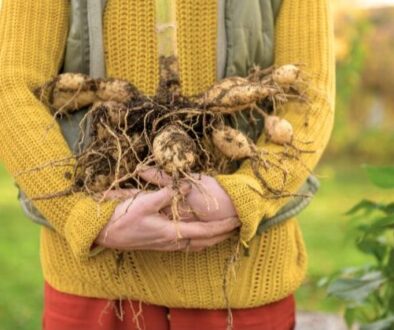
The timing for digging is crucial. Wait until after a hard frost has blackened the foliage. This allows the plant to send all its remaining energy back into the tubers, making them stronger for winter storage. Typically, this occurs in late October or early November in most temperate zones. Cutting back the foliage to about 4-6 inches above the ground a week or two before digging can also help ‘cure’ the tubers slightly.
The Digging Process:
1. Cut Back: If you haven’t already, cut the stalks down to 4-6 inches. I like to leave a little bit of the stem as a ‘handle’ and to mark which variety is which. Labeling is essential here; don’t skip it, even if you think you’ll remember!
2. Loosen the Soil: Using a garden fork or spade, carefully loosen the soil in a wide circle around the dahlia clump, about 12-18 inches from the stem. Dahlias can have a surprisingly wide root system, and you want to avoid piercing the tubers. Work your way around the plant, gently prying upwards.
3. Lift Carefully: Once the soil is loose, gently lift the entire clump out of the ground. Try to keep the clump intact as much as possible.
4. Remove Excess Soil: Gently shake or brush off as much soil as you can. Avoid washing them with a strong stream of water, as this can force moisture into crevices and encourage rot. A soft brush works best.
Curing and Drying:
After digging and initial cleaning, the tubers need to ‘cure’ for a few days to a week in a cool, dry place with good air circulation. This allows any surface moisture to evaporate and helps toughen the skin, making them more resistant to rot during storage. I usually lay them out on old newspaper in my garage or a covered porch. They should feel dry to the touch, but not shriveled, before moving to storage.
Dividing Dahlia Tubers (Optional, but Recommended):
While you can store entire clumps, dividing them in the fall or early spring makes for healthier plants and more tubers for next year. Each division must have at least one ‘eye’ and a piece of the old stem. I generally prefer to divide in the spring when the eyes are more visible, but some gardeners do it in the fall. You can find more details on this process in our guide to dividing dahlia tubers.
Storage Conditions:
The goal is a cool, dark, and slightly humid environment. Temperatures between 40-50°F (4-10°C) are ideal. My preferred method is to pack the cleaned, dried tubers in a breathable medium like peat moss, vermiculite, or wood shavings in plastic bins or cardboard boxes. Ensure the medium is slightly damp, not wet, to prevent dehydration without encouraging mold. Check them monthly throughout winter, removing any that show signs of rot or shriveling. If they look too dry, mist the packing medium lightly. For an in-depth look at various methods, check out our article on how to store dahlia tubers.
Choosing Your Perfect Petal Pal: Dahlia Variety Comparison
With thousands of dahlia varieties available, choosing the right ones for your garden can feel overwhelming. It’s like being a kid in a candy store, but instead of sweets, you’re surrounded by an explosion of colors, forms, and sizes. My strategy has always been to consider what I want from my dahlias – am I looking for massive dinnerplates to make a statement, delicate pompons for bouquets, or something in between? Understanding the different classifications and their characteristics will help you curate a dahlia collection that perfectly suits your aesthetic and gardening goals.
Dahlia Classifications to Consider:
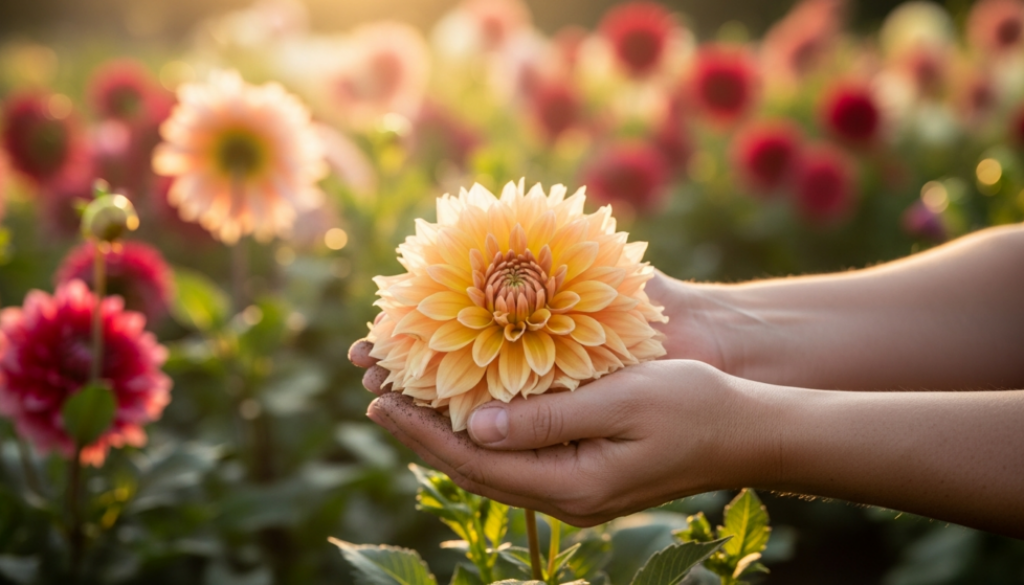
* Dinnerplate Dahlias: These are the showstoppers, with blooms often exceeding 8 inches in diameter. Varieties like ‘Café au Lait’ or ‘Kelvin Floodlight’ are iconic. *Pros:* Incredible visual impact, excellent for dramatic cut flower arrangements. *Cons:* Require substantial staking, fewer blooms per plant than smaller varieties, often later to bloom.
* Decorative Dahlias: A very popular and versatile category, these have broad, flat petals that are often slightly rolled at the edges. Bloom sizes vary from small to large. *Pros:* Wide range of colors and sizes, good for both garden display and cutting. *Cons:* Can sometimes be less weather-resistant than more structured forms.
* Cactus & Semi-Cactus Dahlias: Defined by their pointed, often rolled petals, giving them a spiky appearance. Semi-cactus dahlias have broader bases to their petals. ‘Rip City’ is a stunning example. *Pros:* Unique texture, excellent for cutting, often good weather resistance. *Cons:* Can look a bit wild if not deadheaded regularly.
* Ball & Pompon Dahlias: These are perfectly spherical blooms with tightly rolled petals. Pompons are smaller (under 2 inches) while balls are larger (up to 4 inches). ‘Cornell’ is a classic ball dahlia. *Pros:* Excellent vase life, charming, sturdy stems, prolific bloomers. *Cons:* Smaller size might get lost in a large bed unless planted in groups.
* Anemone & Collarette Dahlias: These have a central disc of florets surrounded by a ring of larger petals, often with a ‘collar’ of smaller petals in between. *Pros:* Unique, often bi-colored, attractive to pollinators. *Cons:* Less traditional look, may not appeal to everyone.
* Waterlily Dahlias: Characterized by their flat, open blooms with broad, flat petals, resembling water lilies. *Pros:* Elegant, beautiful for cutting, often have a good vase life. *Cons:* Can sometimes be less prolific than decorative types.
Tips for Choosing:
* Purpose: Are you growing for cut flowers, garden display, or exhibition? This will influence your size and form choices.
* Garden Space: Dinnerplates take up more visual space. If you have a smaller garden, consider smaller decorative or pompon types.
* Color Palette: Plan your colors! Dahlias come in almost every shade imaginable, allowing for stunning combinations or monochromatic themes.
* Height: Check the mature height. Taller varieties (4-5 ft) will definitely need staking, while some smaller ones (2-3 ft) might be self-supporting.
* Early vs. Late Bloomers: Mix varieties that bloom at different times to extend your dahlia season. Some varieties are known to be early producers, while others hit their stride later in the summer.
Essential Tools for Dahlia Success
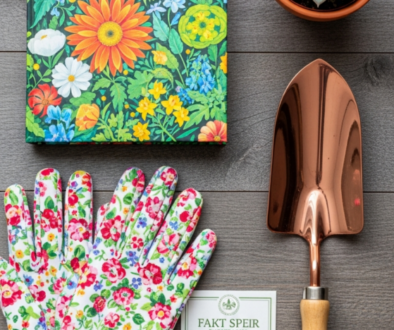
While dahlias are undeniably beautiful, they aren’t entirely hands-off. Having the right tools at your disposal can make all the difference in nurturing healthy plants and achieving those show-stopping blooms. I’ve accumulated my share of gardening gadgets over the years, and I can tell you, investing in a few quality essentials not only makes the work easier but also contributes directly to the well-being of your dahlias. Think of these as your indispensable partners in the garden, making tasks from planting to pruning a breeze.
1. Sturdy Garden Stakes:
*Why you need them:* Dahlias, especially the larger varieties, grow tall and heavy. Without support, their stems will snap in wind or rain, ruining your blooms and potentially damaging the plant. In my own garden, I’ve found that metal stakes work better than wood because they don’t rot over the season and are generally more durable. Look for ones with adjustable clips or loops, as they make it easy to support the plant as it grows without constricting it.
*Pros:* Prevents stem breakage, supports heavy blooms, ensures upright growth. *Cons:* Can be an initial investment, requires regular tying as the plant grows.
2. Sharp Bypass Pruning Shears:
*Why you need them:* From pinching young plants to deadheading spent blooms and cutting flowers for arrangements, sharp shears are non-negotiable. Bypass shears make clean cuts, which are crucial for plant health, preventing disease entry, and encouraging vigorous regrowth. Dull shears can crush stems, leaving jagged wounds that invite pests and pathogens. I always keep a small sharpening stone handy to maintain their edge throughout the season.
*Pros:* Promotes plant health, encourages more blooms, makes clean cuts. *Cons:* Requires regular cleaning and sharpening.
3. Reliable Hand Trowel and Digging Fork:
*Why you need them:* For planting tubers, amending soil, and especially for the delicate task of digging up tubers in the fall, a good quality hand trowel and a digging fork are essential. The trowel is perfect for creating precise planting holes, while the digging fork is invaluable for gently loosening the soil around tuber clumps without damaging them. A sturdy, ergonomic trowel will save your wrists, and a strong fork will make the fall harvest much less strenuous.
*Pros:* Efficient planting, safe tuber excavation, easier soil amendment. *Cons:* Cheaper models can bend or break easily.
4. Garden Ties:
*Why you need them:* To secure your growing dahlias to their stakes. I prefer soft, stretchy ties like Velcro plant ties or jute twine over rigid wire or plastic ties that can cut into stems. The goal is support, not strangulation. As the plant grows, you’ll need to add ties every 12-18 inches to keep pace with its height.
*Pros:* Prevents stem damage, easy to adjust. *Cons:* Requires frequent checking and adjustment.
Tips and Tricks for Tool Maintenance:
Always clean your tools after each use, especially pruning shears, to prevent the spread of diseases. A wipe-down with rubbing alcohol or a bleach solution (1 part bleach to 9 parts water) is a good practice. Sharpen your shears regularly, and store all tools in a dry place to prevent rust. Proper maintenance extends the life of your tools and ensures they are always ready for action.
What Our Readers Are Saying
“I used to struggle so much with my dahlias, especially getting them through winter. This guide completely changed my approach to tuber storage, and this spring, nearly all of them sprouted! My garden has never looked better.”
“The monthly care calendar is a game-changer. I used to feel overwhelmed, but now I know exactly what to do when. My dahlias are healthier and blooming more profusely than ever before!”
“I loved the troubleshooting section. I had a mysterious disease on my leaves, and the clear descriptions and solutions helped me identify and treat it quickly without resorting to harsh chemicals. Thank you!”
Frequently Asked Questions
When is the best time to plant dahlia tubers?
Dahlia tubers should be planted in spring after all danger of frost has passed in your area. The soil temperature should ideally be around 60°F (15°C). This typically ranges from late April to early June, depending on your climate zone.
How much sun do dahlias need?
Dahlias are sun-lovers and require at least 6-8 hours of direct sunlight per day to produce abundant blooms. More sun generally equals more flowers. Choose a spot in your garden that receives ample morning sun, as this helps dry foliage and prevent fungal diseases.
Do I need to stake my dahlias?
Most dahlia varieties, especially those that grow tall or produce large blooms (like dinnerplates), absolutely require staking. Their hollow stems are prone to breaking in wind or heavy rain. It’s best to place stakes at planting time to avoid damaging the tuber later.
How often should I water my dahlias?
After planting, water sparingly until sprouts emerge. Once established and actively growing, dahlias need consistent moisture, especially during dry spells. Aim for about 1 inch of water per week, either from rain or irrigation. Always water at the base of the plant to keep foliage dry and prevent disease.
People Also Ask
Are dahlias hard to grow for beginners?
While dahlias have a few specific requirements, they are generally not hard to grow for beginners if you follow key steps like proper planting, staking, and winter storage. They are incredibly rewarding, and their vibrant blooms make any extra effort worthwhile.
What month do dahlias bloom?
Dahlias typically begin blooming in mid-summer, usually around July, and continue to produce flowers profusely until the first hard frost in the fall, which can be as late as October or November in some regions.
What kills dahlias?
The most common killers of dahlias are frost, overwatering leading to tuber rot (especially before sprouts emerge or in poorly draining soil), and certain diseases like dahlia mosaic virus. Pests can weaken them, but rarely kill a mature plant entirely.
Can dahlias grow in pots?
Yes, many dahlia varieties, especially smaller to medium-sized ones, can thrive in pots. Ensure the pot is large enough (at least 12-18 inches in diameter for most), has good drainage, and use a high-quality potting mix. Potted dahlias may require more frequent watering and feeding. You can find more tips in our guide on [how to grow dahlias in pots](https://diydalias.com/blogs/dahlia-care/how-to-grow-dahlias-in-pots).
Conclusion
Growing dahlias truly is a journey, not a destination. From the thrill of selecting your tubers in spring to the satisfaction of harvesting armloads of blooms, and finally, the careful preparation for winter, each stage offers its own unique rewards and challenges. By understanding their needs, staying vigilant against pests, and equipping yourself with the right knowledge and tools, you’re not just growing flowers—you’re cultivating a vibrant, ever-evolving masterpiece in your own backyard. Don’t be afraid to experiment, learn from your plants, and most importantly, enjoy every moment of the process. What’s one dahlia variety you’re excited to try next season?